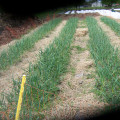
Organic farming has emerged as a transformative approach to agriculture, emphasizing sustainability and environmental stewardship while meeting the growing consumer demand for healthier food options. Unlike conventional farming, which often relies on synthetic fertilizers and pesticides, organic farming focuses on natural processes and materials, promoting biodiversity and soil health. This method not only nurtures the land but also produces high-quality crops that appeal to health-conscious consumers.The potential for generating significant income through organic farming is substantial. As more people become aware of the benefits of organic products, the market for these goods continues to expand.
According to recent studies, organic food sales have seen double-digit growth year over year, indicating a robust demand that savvy farmers can capitalize on. By transitioning to organic practices, farmers can tap into premium pricing for their products, often earning more than their conventional counterparts.Moreover, organic farming aligns with the principles of sustainable agriculture , which seeks to balance economic viability with ecological health. This approach not only supports local ecosystems but also fosters community engagement and consumer trust. By building relationships with customers who value transparency and sustainability, organic farmers can create loyal customer bases that contribute to long-term profitability.In this guide, we will explore the various strategies and techniques that can help you succeed in the world of organic farming.
From understanding market trends to implementing effective farming practices, you will discover how to harness the potential of organic agriculture to achieve your financial goals while making a positive impact on the environment.
Understanding Organic Farming: Principles and Practices
Organic farming is not just a method of growing crops; it embodies a holistic approach to agriculture that prioritizes the health of the ecosystem. At its core, organic farming is built on several fundamental principles that guide farmers in their practices.Soil Health
is paramount in organic farming. Healthy soil is the foundation of productive farming, and organic practices focus on enhancing soil fertility through natural means. This includes the use of cover crops, crop rotation, and composting.
By enriching the soil with organic matter, farmers can improve its structure, increase its water retention capacity, and promote a diverse microbial community that supports plant growth.
Biodiversity
is another critical principle. Organic farms often feature a variety of crops and livestock, which helps create a balanced ecosystem. This diversity not only protects against pests and diseases but also enhances resilience to climate change. Farmers can implement practices such as intercropping and agroforestry to promote biodiversity on their farms.
Ecological Balance
is essential for sustainable farming.
Organic farmers strive to work with nature rather than against it. This means minimizing the use of synthetic fertilizers and pesticides, which can disrupt local ecosystems. Instead, they rely on natural pest control methods, such as introducing beneficial insects or using organic-approved pesticides derived from natural sources.Obtaining organic certification is a significant step for farmers looking to market their products as organic. Certification involves adhering to strict guidelines set by regulatory bodies, which often include maintaining detailed records of farming practices and inputs used.
The benefits of certification are substantial; it not only enhances marketability but also builds consumer trust. Shoppers are increasingly seeking out organic products, often willing to pay a premium for them due to perceived health benefits and environmental sustainability.In conclusion, understanding the principles of organic farming—soil health, biodiversity, and ecological balance—is crucial for anyone looking to succeed in this field. By embracing these practices and obtaining organic certification, farmers can position themselves favorably in a growing market that values sustainability and quality.
Identifying Your Niche in Organic Farming
Identifying a profitable niche in organic farming is crucial for maximizing your income potential. With the increasing consumer demand for organic products, finding the right market segment can set you apart from competitors and lead to significant profits.Here are some strategies to help you pinpoint your niche.
1.Research Local Market Needs
Start by conducting thorough research on your local market. Visit farmers' markets, grocery stores, and health food shops to observe what organic products are in demand. Engage with customers to understand their preferences and needs. This direct feedback can provide invaluable insights into which crops or products might be profitable.
2.Analyze Trends in Organic Farming
Stay informed about current trends in organic farming.
For instance, there has been a growing interest in heirloom varieties, specialty herbs, and superfoods like quinoa and chia seeds. Additionally, consider the rise of plant-based diets, which has increased the demand for organic vegetables and legumes.
3.Consider Specialty Products
- Microgreens: These nutrient-dense young plants are popular among chefs and health-conscious consumers.
- Organic Honey: Beekeeping can be a lucrative niche, especially if you offer unique flavors or local varieties.
- Artisan Cheese: If you have experience with dairy farming, producing organic cheese can attract gourmet markets.
4.Evaluate Profitability of Crops
When selecting crops, consider their profitability based on factors such as yield per acre, market price, and growing season length. Some highly profitable organic crops include:
- Berries: Organic strawberries, blueberries, and raspberries often fetch premium prices.
- Vegetables: Specialty varieties like heirloom tomatoes or organic peppers can be very lucrative.
- Herbs: Culinary herbs such as basil, cilantro, and mint are always in demand.
5.Test Your Niche
Before fully committing to a specific niche, consider starting small. Grow a limited quantity of your chosen crops or products to gauge market response.
This approach allows you to minimize risk while assessing profitability.By carefully identifying your niche within the organic farming sector, you can align your efforts with market demands and increase your chances of achieving financial success in this rewarding industry.
Creating a Comprehensive Business Plan for Your Farm
Creating a comprehensive business plan is a crucial step for anyone looking to establish a successful organic farm. A well-structured business plan not only serves as a roadmap for your farming venture but also helps in securing funding and guiding your decision-making process. Here are the essential components to consider when crafting your farming business plan.Creating a comprehensive business plan is a crucial step for anyone looking to establish a successful organic farm. A well-structured business plan not only serves as a roadmap for your farming venture but also helps in securing funding and guiding your decision-making process. Here are the essential components to consider when crafting your farming business plan.1.Executive Summary
Your executive summary should provide a concise overview of your farm's mission, vision, and objectives. This section should capture the essence of your business and outline what sets your organic farm apart from others.
Highlight your commitment to sustainable practices and the unique products you plan to offer.
2.Market Analysis
Conducting thorough market research is vital for understanding the demand for organic products in your area. Analyze local consumer trends, identify your target market, and assess the competition. This information will help you position your farm effectively and tailor your offerings to meet customer needs.
3.Financial Projections
Financial planning is at the heart of any successful business strategy. Your financial projections should include:
- Startup Costs: Detail all initial expenses, including land acquisition, equipment, seeds, and labor.
- Operating Expenses: Estimate ongoing costs such as utilities, maintenance, and marketing.
- Revenue Streams: Identify potential income sources, including direct sales, farmers' markets, and CSA subscriptions.
- Profit Margins: Calculate expected profit margins based on realistic pricing strategies.
4.Marketing Strategies
Your marketing strategy should outline how you plan to promote your organic farm and attract customers.
Consider various channels such as:
- Social Media: Utilize platforms like Instagram and Facebook to showcase your products and engage with customers.
- Farmers' Markets: Participate in local markets to build community relationships and gain direct feedback.
- Email Marketing: Develop a mailing list to keep customers informed about new products, seasonal offerings, and farm events.
5.Setting Realistic Goals
Establish clear, measurable goals that align with your vision for achieving $100k in income. Break these goals down into short-term and long-term objectives, ensuring they are specific, attainable, relevant, and time-bound (SMART). Regularly review and adjust these goals as necessary based on market conditions and farm performance.A comprehensive business plan is not just a document; it is a living guide that will evolve as your farm grows. By focusing on financial planning, effective marketing strategies, and realistic goal-setting, you can create a solid foundation for your organic farming venture that leads to sustainable success.
Maximizing Land Use and Resource Efficiency
Maximizing land use and resource efficiency is crucial for achieving profitability in organic farming.By implementing effective land management strategies, farmers can enhance productivity while minimizing environmental impact. Here are several key techniques to consider:
- Crop Rotation: This practice involves alternating the types of crops grown on a particular piece of land over different seasons. Crop rotation helps to maintain soil fertility, reduce pest and disease cycles, and improve overall crop yields. For instance, following a nitrogen-fixing crop like legumes with a heavy feeder such as corn can optimize nutrient use.
- Intercropping: Growing two or more crops in proximity can lead to better resource utilization.
For example, pairing corn with beans allows the beans to climb the corn stalks while benefiting from the nitrogen-rich environment created by the legumes. This method not only maximizes space but also enhances biodiversity.
- Sustainable Irrigation Methods: Efficient water management is essential in organic farming. Techniques such as drip irrigation or rainwater harvesting can significantly reduce water waste. Drip irrigation delivers water directly to the plant roots, minimizing evaporation and runoff, which is particularly beneficial in arid regions.
- Soil Health Management: Healthy soil is the foundation of successful farming.
Practices such as cover cropping, reduced tillage, and organic amendments (like compost) can improve soil structure and fertility. Cover crops prevent erosion and suppress weeds while adding organic matter back into the soil.
- Agroforestry: Integrating trees into farming systems can provide multiple benefits, including shade for crops, habitat for wildlife, and additional income from timber or fruit production. This approach enhances biodiversity and can improve microclimates on the farm.
Building Strong Customer Relationships in Organic Farming
In the realm of organic farming, establishing strong customer relationships is not just beneficial; it is essential for long-term success.As consumers become increasingly aware of where their food comes from and how it is produced, they seek transparency and connection with the farmers who grow their food. Building these relationships can lead to customer loyalty, repeat business, and positive word-of-mouth referrals.One effective way to engage with customers is through farmers' markets. These venues provide a unique opportunity for farmers to interact directly with consumers, allowing them to share their farming practices, the story behind their products, and the benefits of organic farming. At farmers' markets, farmers can:
- Showcase Fresh Produce: Displaying vibrant, fresh produce attracts customers and encourages them to ask questions about the farming process.
- Offer Samples: Providing samples can entice customers to purchase products they may not have considered otherwise.
- Share Knowledge: Engaging in conversations about organic practices helps educate consumers and builds trust.
CSAs allow consumers to buy shares of a farm's harvest in advance, providing farmers with upfront capital while giving customers access to fresh, seasonal produce. This model creates a sense of community and shared investment in the farm's success. Benefits of CSAs include:
- Direct Connection: Members feel more connected to the farm and its operations, often visiting for pick-up days or farm events.
- Consistent Revenue: Farmers benefit from predictable income, which can help with planning and resource allocation.
- Customer Feedback: Regular interactions allow farmers to receive feedback on what customers enjoy or want more of in future harvests.
Farmers can create websites or utilize social media platforms to:
- Showcase Products: High-quality images and descriptions can attract online shoppers.
- Share Stories: Blogs or social media posts about daily farm life or sustainable practices can engage customers on a personal level.
- Create Subscription Services: Offering subscription boxes for regular deliveries can ensure consistent sales while providing convenience for customers.
Diversifying Income Streams for Greater Profitability
In the competitive landscape of organic farming, diversifying income streams is not just a strategy; it’s a necessity for achieving greater profitability. By exploring various avenues beyond traditional crop sales, farmers can create a more resilient business model that can withstand market fluctuations and seasonal changes.Value-Added Products
One of the most effective ways to diversify income is through the creation of value-added products. These are products that have been processed or enhanced in some way to increase their market value.For instance, if you grow organic fruits, consider producing:
- Jams and Jellies: Homemade jams made from your organic berries can attract customers looking for local, high-quality products.
- Sauces and Condiments: Crafting unique sauces or dressings using your organic vegetables can appeal to gourmet markets.
- Dried Fruits and Vegetables: Dehydrating produce extends shelf life and offers a convenient snack option.
Agritourism Opportunities
Agritourism is another promising avenue for income diversification. This concept involves inviting visitors to your farm for recreational, educational, or entertainment purposes. Here are some ideas to consider:- Farm Tours: Offer guided tours of your organic farming practices, showcasing sustainable methods and educating visitors about the benefits of organic agriculture.
- Workshops and Classes: Host workshops on topics such as organic gardening, cooking with fresh produce, or preserving food. These can be both informative and fun, attracting local community members.
- Farm-to-Table Events: Organize special dining experiences where guests can enjoy meals prepared with ingredients sourced directly from your farm.
The key is to remain innovative and responsive to market demands, ensuring that your farming venture thrives in an ever-evolving landscape.
Staying Informed: Adapting to Market Trends and Innovations
In the ever-evolving landscape of organic farming, staying informed about market trends and innovations is crucial for success. As consumer preferences shift and new technologies emerge, farmers must adapt their practices to remain competitive and profitable. This section explores the importance of continuous learning and provides resources to help farmers stay ahead of the curve.Understanding Market Trends in Organic Farming
Market trends in organic farming are influenced by various factors, including consumer demand, environmental concerns, and regulatory changes. For instance, there has been a significant increase in demand for organic produce as consumers become more health-conscious and environmentally aware.
According to recent studies, organic food sales have consistently outpaced conventional food sales, indicating a robust market opportunity for organic farmers.To effectively respond to these trends, farmers should:
- Conduct Market Research: Regularly analyze market reports and consumer surveys to understand what products are in demand. This can help identify potential crops or livestock that align with current consumer preferences.
- Engage with Local Communities: Participate in local farmers' markets or community-supported agriculture (CSA) programs to gain direct feedback from consumers about their preferences and needs.
- Monitor Competitors: Keep an eye on what other successful organic farms are doing. This can provide insights into effective marketing strategies and product offerings.
Embracing Agricultural Innovations
The agricultural sector is witnessing rapid advancements in technology that can enhance productivity and sustainability. Innovations such as precision agriculture, vertical farming, and regenerative practices are transforming how farmers operate.
For example:
- Precision Agriculture: Utilizing data analytics and GPS technology allows farmers to optimize resource use, reduce waste, and increase crop yields.
- Vertical Farming: This innovative approach enables farmers to grow crops in stacked layers, maximizing space and minimizing water usage—ideal for urban settings.
- Regenerative Practices: Techniques such as cover cropping and crop rotation not only improve soil health but also enhance biodiversity on the farm.
Continuous Learning in Farming
The journey of a farmer is one of lifelong learning. To stay informed about the latest trends and innovations, consider the following resources:
- Agricultural Extension Services: Many universities offer extension programs that provide valuable information on best practices, new technologies, and market trends.
- Online Courses and Webinars: Platforms like Coursera or local agricultural organizations often host courses focused on organic farming techniques and business management.
- Networking with Other Farmers: Joining local farming associations or online forums can facilitate knowledge sharing and collaboration among peers.
Challenges in Organic Farming and How to Overcome Them
Organic farming presents a unique set of challenges that can deter even the most dedicated farmers. Understanding these challenges and developing effective strategies to overcome them is crucial for success in this sustainable agricultural practice.Pest Management
One of the most significant hurdles in organic farming is pest management.Unlike conventional farming, organic practices prohibit the use of synthetic pesticides, which can make controlling pest populations more difficult. However, there are several effective strategies that organic farmers can employ:
- Crop Rotation: Rotating crops can disrupt the life cycles of pests and reduce their populations. By planting different crops in succession, farmers can minimize the risk of pest infestations.
- Beneficial Insects: Introducing natural predators, such as ladybugs and lacewings, can help control pest populations without harming the ecosystem. These insects feed on common pests like aphids and caterpillars.
- Organic Pesticides: While synthetic pesticides are off-limits, organic farmers can use natural alternatives like neem oil or insecticidal soap.
These products are less harmful to beneficial insects and the environment.
- Physical Barriers: Using row covers or nets can physically block pests from reaching crops, providing an effective barrier against infestations.
Climate Impact on Farming
The impact of climate change poses another significant challenge for organic farmers. Fluctuating weather patterns, increased temperatures, and unpredictable rainfall can affect crop yields and soil health. Here are some strategies to mitigate these effects:- Diverse Crop Selection: Planting a variety of crops can enhance resilience against climate variability. Different plants have varying tolerances to heat and drought, which can help stabilize yields.
- Soil Health Management: Maintaining healthy soil through practices like cover cropping and composting improves soil structure and moisture retention, making crops more resilient to climate extremes.
- Irrigation Techniques: Implementing efficient irrigation systems, such as drip irrigation, can conserve water and ensure that crops receive adequate moisture during dry spells.
- Monitoring Weather Patterns: Staying informed about local weather forecasts and climate trends allows farmers to make proactive decisions regarding planting and harvesting times.
Conclusion: Your Path to Earning $100k through Organic Farming
As we conclude this comprehensive guide on achieving the remarkable milestone of earning $100k through organic farming, it’s essential to reflect on the journey and the opportunities that lie ahead.Organic farming is not just a method of cultivation; it represents a commitment to sustainability, health, and community. The success stories of farmers who have embraced this approach serve as powerful testimonials to its viability.Many individuals have transformed their lives and livelihoods by adopting organic practices. For instance, farmers who initially struggled with traditional methods have reported significant increases in their income after transitioning to organic farming. They have found that not only do organic products command higher prices in the market, but they also attract a loyal customer base that values quality and sustainability.
These success stories highlight the potential for profitability while contributing positively to the environment.The benefits of organic farming extend beyond financial gain. By choosing organic methods, farmers contribute to soil health, biodiversity, and reduced chemical runoff, which ultimately leads to healthier ecosystems. This sustainable approach not only supports local communities but also addresses global challenges such as climate change and food security.In summary, the path to earning $100k through organic farming is paved with dedication, strategic planning, and a willingness to adapt. By focusing on niche markets, building strong customer relationships, and diversifying income streams, aspiring farmers can create a thriving business that aligns with their values.
The journey may be challenging, but the rewards—both financial and environmental—are well worth the effort.As you embark on your own organic farming adventure, remember that every step you take contributes to a larger movement towards sustainable agriculture. Embrace the challenges, celebrate your successes, and remain committed to making a positive impact on your community and the planet.