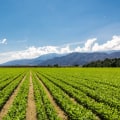
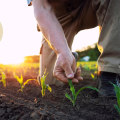
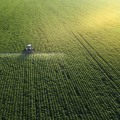
The journey of farming is a remarkable tale that spans thousands of years, marking a pivotal evolution in human civilization. From the earliest days of hunter-gatherer societies to the sophisticated agricultural systems we see today, farming has transformed not only how we produce food but also how we live, interact, and sustain our communities. This evolution reflects humanity's ingenuity and adaptability, as we have continuously sought better methods to cultivate the land and raise livestock.In its traditional form, farming was deeply intertwined with the rhythms of nature. Early farmers relied on simple tools and techniques, often dictated by the seasons and local ecosystems.
They practiced methods that were sustainable and in harmony with their environment, utilizing crop rotation, natural fertilizers, and manual labor. These practices laid the groundwork for what we now recognize as best organic farming, emphasizing the importance of maintaining soil health and biodiversity.As societies progressed, so did farming techniques. The advent of modern technology has revolutionized agriculture, introducing machinery that enhances efficiency and productivity. Today’s farmers have access to advanced tools such as GPS-guided tractors, automated irrigation systems, and genetically modified crops that promise higher yields.
However, this shift towards modern farming methods has sparked debates about sustainability and environmental impact, leading many to reconsider the principles of traditional practices.Understanding the evolution of farming is crucial as it not only highlights our historical relationship with the land but also informs current discussions about food security, sustainability, and agricultural innovation. As we delve deeper into this topic, we will explore both traditional and modern methods of farming, examining their benefits and challenges while seeking to identify the best practices that can lead us toward a more sustainable future.
Understanding Traditional Farming Methods
Traditional farming methods have been the backbone of agricultural practices for centuries, providing a sustainable means of food production that has stood the test of time. At the heart of these methods is subsistence agriculture , a practice where farmers grow food primarily for their own consumption rather than for sale. This approach not only ensures food security for families but also fosters a deep connection between the farmer and the land.In subsistence agriculture, farmers often cultivate a diverse range of crops, which helps to maintain soil health and reduce the risk of crop failure.This diversity is crucial in traditional farming systems, as it allows for a more resilient agricultural ecosystem. Farmers rely on their knowledge of local conditions, climate, and soil types to select crops that are best suited for their environment.
Crop Rotation: A Time-Tested Practice
One of the most significant traditional farming techniques is crop rotation. This method involves alternating the types of crops grown in a particular area across different seasons or years. By rotating crops, farmers can improve soil fertility, reduce pest and disease cycles, and enhance overall crop yields.For instance, planting legumes after cereal crops can replenish nitrogen levels in the soil, making it more fertile for subsequent plantings.Crop rotation not only benefits the soil but also aligns with organic practices. Organic farming emphasizes the importance of maintaining ecological balance and minimizing chemical inputs. By utilizing crop rotation, organic farmers can naturally manage pests and diseases while promoting biodiversity within their fields.Moreover, traditional farming methods often incorporate other organic practices such as composting and natural pest control. Farmers use organic matter to enrich their soils, fostering a healthy environment for crops to thrive.
These practices are not only sustainable but also contribute to the growing demand for best organic farming methods in today’s agricultural landscape.In conclusion, understanding traditional farming methods provides valuable insights into sustainable agricultural practices that have been effective for generations. By embracing techniques like subsistence agriculture and crop rotation, modern farmers can learn from the past to create a more sustainable future in food production.
The Shift to Modern Farming Techniques
The transition from traditional to modern farming techniques marks a significant evolution in agricultural practices, driven by the need for increased efficiency and productivity. This shift has been characterized by the introduction of mechanization, the widespread use of chemical fertilizers, and the rise of industrial agriculture.Mechanization
has revolutionized farming by replacing manual labor with advanced machinery. Tractors, harvesters, and other equipment have enabled farmers to cultivate larger areas of land more quickly and efficiently than ever before.
This mechanization not only reduces the physical strain on farmers but also allows for precise planting, watering, and harvesting, which can lead to higher yields. For instance, modern seed drills can plant seeds at optimal depths and spacing, ensuring better germination rates and crop uniformity.Alongside mechanization, the use of chemical fertilizers has become a cornerstone of modern agriculture. These fertilizers provide essential nutrients that enhance plant growth and increase crop yields. However, their overuse can lead to soil degradation and water pollution, raising concerns about long-term sustainability.
Farmers are now encouraged to adopt practices such as soil testing and precision fertilization to minimize environmental impact while maximizing productivity.The rise of industrial agriculture has further transformed the landscape of farming. This approach emphasizes large-scale production and often involves monoculture practices, where a single crop is grown extensively over vast areas. While this method can lead to economies of scale and lower food prices, it also poses risks such as reduced biodiversity and increased vulnerability to pests and diseases.As we navigate these modern farming techniques, it is crucial to consider their implications for sustainability. The challenge lies in balancing the need for increased food production with the preservation of our natural resources.
Innovative practices such as integrated pest management, organic farming methods, and agroecology are gaining traction as viable alternatives that promote environmental health while still meeting global food demands.In conclusion, the shift to modern farming techniques has brought about significant advancements in agricultural productivity. However, it is essential for farmers, policymakers, and consumers alike to remain vigilant about the environmental impacts of these practices and work towards sustainable solutions that ensure food security for future generations.
The Rise of Organic Farming: Principles and Practices
As the world grapples with the consequences of industrial agriculture, organic farming has emerged as a viable alternative that prioritizes environmental health and sustainability. This approach is rooted in a set of principles that guide farmers in their quest to produce food without synthetic chemicals, genetically modified organisms (GMOs), or artificial fertilizers.Core Principles of Organic Farming
- Soil Health: At the heart of organic farming is the commitment to maintaining and enhancing soil fertility. Farmers achieve this through practices such as crop rotation, cover cropping, and the use of organic compost.
Healthy soil not only supports plant growth but also fosters a diverse ecosystem of microorganisms that contribute to nutrient cycling.
- Biodiversity: Organic farming encourages biodiversity both on the farm and in surrounding ecosystems. By planting a variety of crops and incorporating native plants, farmers can create habitats for beneficial insects and wildlife, which help control pests naturally.
- Natural Pest Management: Instead of relying on chemical pesticides, organic farmers utilize integrated pest management (IPM) strategies. This includes introducing natural predators, using traps, and employing organic-approved substances to manage pest populations effectively.
- Animal Welfare: For those who raise livestock, organic farming emphasizes humane treatment and access to outdoor spaces. Animals are fed organic feed and are not subjected to antibiotics or growth hormones, ensuring healthier livestock and better-quality products.
Best Practices in Organic Farming
Implementing best organic farming practices is essential for achieving sustainable agriculture.
Here are some effective methods:
- Crop Rotation: Alternating different crops in a specific sequence helps prevent soil depletion and reduces pest and disease cycles.
- Composting: Recycling organic waste into compost enriches soil fertility while minimizing waste.
- Mulching: Applying organic materials like straw or wood chips on soil surfaces conserves moisture, suppresses weeds, and enhances soil structure.
- Permaculture: This holistic design system integrates land, resources, people, and the environment to create sustainable agricultural ecosystems.
Technological Innovations in Modern Organic Farming
In recent years, the integration of technology into organic farming has revolutionized the way farmers approach their practices. This shift not only enhances productivity but also ensures that ecological balance is maintained. One of the most significant advancements in this area is precision agriculture , which utilizes data-driven techniques to optimize field-level management regarding crop farming.Precision agriculture
employs various technologies such as GPS, sensors, and drones to monitor and manage crop health, soil conditions, and resource usage.
By collecting real-time data, farmers can make informed decisions about when to plant, irrigate, and harvest their crops. This targeted approach minimizes waste and maximizes yield, aligning perfectly with the principles of organic farming.
Innovative Tools and Techniques
Several innovative tools are now available to organic farmers:- Drones: These aerial devices provide a bird's-eye view of the fields, allowing farmers to assess crop health and identify areas that require attention. Drones can also be used for precision spraying of organic pesticides or fertilizers, reducing chemical use and environmental impact.
- Soil Sensors: By measuring moisture levels, nutrient content, and pH balance in real-time, soil sensors help farmers apply the right amount of water and nutrients at the right time. This not only conserves resources but also promotes healthier soil.
- Mobile Apps: Various applications are designed to assist farmers in tracking their crops' growth stages, managing inventory, and even connecting with local markets.
These tools streamline operations and enhance communication within the agricultural community.
By embracing tools like precision agriculture and sustainable tech solutions, farmers can enhance productivity while adhering to organic principles that prioritize environmental health.
Challenges Facing Modern Organic Farmers
Modern organic farmers encounter a myriad of challenges that can hinder their ability to thrive in an increasingly competitive agricultural landscape. Understanding these obstacles is crucial for anyone interested in the future of organic farming.Market Access
One of the most significant hurdles faced by organic farmers is market access. While consumer demand for organic products has surged, many farmers struggle to find reliable markets for their goods. This issue is exacerbated by the presence of large agribusinesses that dominate the market, often making it difficult for smaller organic farms to compete.Additionally, organic farmers may face challenges in establishing direct-to-consumer sales channels, which can limit their profitability.
Certification Issues
Obtaining and maintaining organic certification is another major challenge. The process can be lengthy, complex, and costly, requiring farmers to adhere to strict regulations set by certifying bodies. This includes detailed record-keeping and compliance with specific farming practices. For many small-scale farmers, the financial burden associated with certification can be overwhelming, leading some to forgo it altogether despite their commitment to organic practices.Climate Change Impact
The effects of climate change pose a significant threat to organic farming.Unpredictable weather patterns, such as increased droughts or heavy rainfall, can disrupt growing seasons and affect crop yields. Organic farmers often rely on natural methods for pest control and soil fertility, which can be less effective under extreme weather conditions. Furthermore, climate change can lead to the emergence of new pests and diseases that challenge traditional organic practices.In conclusion, while the movement towards organic farming is gaining momentum, modern organic farmers must navigate a complex landscape filled with challenges. Addressing issues related to market access, certification processes, and climate change will be essential for ensuring the sustainability and growth of organic agriculture in the future.
The Future of Farming: Trends Towards Sustainability
As we look to the future of farming, it is clear that the focus is shifting towards sustainability and regenerative practices.These trends are not just buzzwords; they represent a fundamental change in how we approach agriculture, aiming to create a more resilient food system that can withstand the challenges posed by climate change, resource depletion, and population growth.
Sustainable Agriculture Trends
- Agroecology: This approach integrates ecological principles into agricultural practices, promoting biodiversity and ecosystem health. By mimicking natural processes, farmers can enhance soil fertility and reduce reliance on chemical inputs.
- Precision Agriculture: Utilizing technology such as GPS and data analytics, precision agriculture allows farmers to optimize their inputs—water, fertilizers, and pesticides—leading to reduced waste and increased efficiency.
- Organic Farming: The demand for organic produce continues to rise as consumers become more health-conscious. Organic farming practices not only avoid synthetic chemicals but also focus on soil health and biodiversity.
- Permaculture: This design philosophy emphasizes working with nature rather than against it. By creating self-sustaining ecosystems, permaculture systems can produce food while enhancing the environment.
Regenerative Practices
Regenerative agriculture goes a step further by not only sustaining but also improving the health of the land.
Key practices include:
- Cover Cropping: Planting cover crops during off-seasons helps prevent soil erosion, improves soil structure, and enhances nutrient cycling.
- No-Till Farming: Reducing or eliminating tillage preserves soil structure and promotes microbial life, which is essential for nutrient availability.
- Rotational Grazing: This practice involves moving livestock between pastures to prevent overgrazing and promote grassland recovery, leading to healthier soils.
FAQs About Organic Farming and Its Evolution
As organic farming continues to gain traction, many people have questions about its practices, benefits, and evolution. Here are some frequently asked questions that can help clarify common misconceptions and provide insights into the world of organic agriculture.What is organic farming?
Organic farming is an agricultural method that emphasizes the use of natural processes and materials to grow crops and raise livestock.This approach avoids synthetic fertilizers, pesticides, and genetically modified organisms (GMOs), focusing instead on sustainable practices that promote biodiversity and soil health.
How has organic farming evolved over time?
The roots of organic farming can be traced back to ancient agricultural practices where farmers relied on natural methods to cultivate their land. However, the modern organic movement began in the early 20th century as a response to the industrialization of agriculture. Over the decades, organic farming has evolved significantly, with increased research and development leading to improved techniques and standards. Today, organic farming is regulated by various certification bodies that ensure compliance with established guidelines.What are the benefits of organic farming?
- Environmental sustainability: Organic farming practices help reduce pollution and conserve water, promoting a healthier ecosystem.
- Soil health: By using natural fertilizers like compost and cover crops, organic farmers enhance soil fertility and structure.
- Biodiversity: Organic farms often support a wider variety of plants and animals, contributing to ecological balance.
- Healthier food options: Organic produce is free from synthetic chemicals, making it a safer choice for consumers concerned about pesticide exposure.
- Support for local economies: Many organic farms are small-scale operations that contribute to local food systems and economies.
Are organic products more nutritious?
The nutritional content of organic versus conventional produce is a topic of ongoing research.Some studies suggest that organic foods may have higher levels of certain nutrients due to the natural growing methods used. However, the differences can vary based on factors such as soil quality, crop variety, and growing conditions.
How can I start practicing organic farming?
If you're interested in transitioning to organic farming, begin by educating yourself about organic practices and regulations. Start small by implementing organic methods in your garden or on a small plot of land. Utilize resources from local agricultural extension offices or online courses focused on sustainable agriculture to guide your journey.In conclusion, understanding the evolution of organic farming helps illuminate its significance in today’s agricultural landscape.As more consumers seek out sustainable options, the demand for organically grown products continues to rise, making it an essential topic for both farmers and consumers alike.
Conclusion: Embracing the Best Organic Farming Practices for a Sustainable Future
As we reflect on the evolution of farming from traditional methods to modern practices, it becomes increasingly clear that embracing the best organic farming techniques is not just a trend but a necessity for a sustainable future. The journey through various agricultural practices has highlighted the importance of sustainability, biodiversity, and environmental stewardship.Throughout this article, we have explored how organic farming prioritizes natural processes and minimizes synthetic inputs, leading to healthier ecosystems. By focusing on soil health, crop rotation, and natural pest management, organic farmers can produce food that is not only nutritious but also environmentally friendly. This approach not only benefits the land but also enhances the quality of life for farmers and consumers alike.Moreover, the shift towards organic practices aligns with growing consumer demand for transparency and sustainability in food production.As more people become aware of the impact of conventional farming on the environment, they are increasingly seeking out organic options. This shift presents a significant opportunity for farmers to adapt their practices and meet this demand while contributing positively to the planet.In conclusion, adopting the best organic farming practices is essential for ensuring food security and protecting our natural resources. By investing in sustainable methods, farmers can enhance their productivity while preserving the environment for future generations. It is imperative that we support these efforts through education, policy changes, and consumer choices that favor organic products.Ultimately, the future of agriculture lies in our ability to embrace these sustainable practices.
By doing so, we not only secure a healthier planet but also foster a resilient agricultural system capable of withstanding the challenges posed by climate change and population growth. Together, we can cultivate a future where farming thrives in harmony with nature.