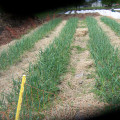
Organic farming has emerged as a transformative approach to agriculture, offering not only a sustainable method of food production but also a lucrative opportunity for small farmers. By focusing on natural processes and avoiding synthetic chemicals, organic farming aligns with the growing consumer demand for healthier, environmentally friendly products. This shift in consumer preferences has opened up new markets and revenue streams for small farms willing to embrace Organic farming has emerged as a transformative approach to agriculture, offering not only a sustainable method of food production but also a lucrative opportunity for small farmers. By focusing on natural processes and avoiding synthetic chemicals, organic farming aligns with the growing consumer demand for healthier, environmentally friendly products. This shift in consumer preferences has opened up new markets and revenue streams for small farms willing to embrace best organic farming practices.Maximizing profits on a small farm requires more than just adopting organic methods; it involves strategic planning and innovative thinking. Farmers must understand their local market dynamics, identify niche opportunities, and implement effective marketing strategies to reach health-conscious consumers.
By leveraging the unique advantages of organic farming—such as premium pricing and the ability to tap into community-supported agriculture (CSA) programs—small farms can significantly enhance their profitability.Moreover, the integration of sustainable practices not only benefits the environment but also improves soil health and crop yields over time. This creates a virtuous cycle where better farming practices lead to higher quality produce, which in turn attracts more customers. As we delve deeper into this article, we will explore various expert tips and strategies that can help small farmers maximize their profits while adhering to the principles of organic farming.
Understanding the Basics of Organic Farming
Organic farming is a holistic approach to agriculture that emphasizes sustainability, biodiversity, and the health of the ecosystem. At its core, organic farming avoids synthetic fertilizers, pesticides, and genetically modified organisms (GMOs), focusing instead on natural processes and materials to enhance soil fertility and crop health.One of the fundamental principles of organic farming is the use of crop rotation.This method involves alternating the types of crops grown in a particular area from season to season. By rotating crops, farmers can prevent soil depletion, reduce pest and disease cycles, and improve soil structure. For instance, planting legumes after grains can naturally replenish nitrogen levels in the soil.Another essential method is composting , which involves recycling organic waste materials into nutrient-rich compost. This practice not only enriches the soil but also enhances its ability to retain moisture and suppress diseases.
Farmers can create compost from kitchen scraps, yard waste, and other organic materials, turning potential waste into a valuable resource.Additionally, organic farming promotes biodiversity. By cultivating a variety of crops and incorporating native plants into their systems, farmers can create a balanced ecosystem that supports beneficial insects and wildlife. This diversity helps control pests naturally and reduces the need for chemical interventions.The benefits of organic farming extend beyond environmental sustainability. Consumers are increasingly seeking out organic products due to their perceived health benefits.
Organic produce is often fresher and free from harmful chemicals, making it a preferred choice for health-conscious individuals. Furthermore, organic farming practices can lead to improved soil health over time, resulting in higher yields and better-quality crops.Moreover, organic farms often command higher prices in the market due to the growing demand for organic products. This premium pricing can significantly enhance profitability for small farmers willing to invest in organic practices.In summary, understanding the basics of organic farming—its methods such as crop rotation and composting, along with its numerous benefits—provides a solid foundation for farmers looking to transition to or enhance their organic practices. By embracing these principles, farmers can not only contribute to a healthier planet but also maximize their profits in an increasingly competitive market.Organic produce is often fresher and free from harmful chemicals, making it a preferred choice for health-conscious individuals. Furthermore, organic farming practices can lead to improved soil health over time, resulting in higher yields and better-quality crops.Moreover, organic farms often command higher prices in the market due to the growing demand for organic products. This premium pricing can significantly enhance profitability for small farmers willing to invest in organic practices.In summary, understanding the basics of organic farming—its methods such as crop rotation and composting, along with its numerous benefits—provides a solid foundation for farmers looking to transition to or enhance their organic practices. By embracing these principles, farmers can not only contribute to a healthier planet but also maximize their profits in an increasingly competitive market.
Identifying Profitable Crops for Small Farms
Choosing the right crops for your small farm is crucial for maximizing profits, especially in the realm of organic farming.To ensure that your efforts yield a profitable return, it’s essential to focus on crops that not only thrive in your local climate but also align with current market demands.One effective strategy is to conduct thorough market research. Understanding consumer preferences can guide you in selecting the most profitable crops. For instance, organic vegetables such as kale, tomatoes, and bell peppers are increasingly popular among health-conscious consumers. These crops not only have a high market demand but also command premium prices due to their organic status.
Seasonal Considerations
Another factor to consider is the growing season.Some crops may be more profitable during specific times of the year. For example, strawberries and other berries can be highly lucrative during the summer months, while root vegetables like carrots and beets can be harvested in the fall and winter. By planning your crop rotation around seasonal trends, you can maximize your yield and profits.
Diversification for Stability
Diversifying your crop selection can also mitigate risks associated with market fluctuations. Instead of relying solely on one or two types of crops, consider planting a variety of fruits, vegetables, and herbs.This approach not only caters to different consumer tastes but also helps ensure that if one crop underperforms, others may compensate for the loss.
Organic Crop Selection
When selecting organic crops , it’s important to consider factors such as soil health and pest management. Crops like garlic and herbs (such as basil and cilantro) are not only easy to grow organically but also have a strong market presence. Additionally, incorporating cover crops into your rotation can improve soil fertility and structure, leading to better yields in subsequent seasons.Finally, staying informed about emerging trends in organic farming can provide a competitive edge. For instance, niche markets for specialty crops like heirloom varieties or exotic fruits are gaining traction.Engaging with local farmers' markets or community-supported agriculture (CSA) programs can also help you gauge consumer interest and adjust your crop selection accordingly.In summary, identifying profitable crops for your small farm involves a combination of market research, seasonal planning, diversification, and an understanding of organic practices. By aligning your crop choices with consumer demand and sustainable farming methods, you can significantly enhance your farm's profitability.
Diversification: A Key Strategy for Profit Maximization
Diversification is a fundamental strategy for small farms aiming to maximize profits while minimizing risks. By expanding the variety of crops and livestock, farmers can create a more resilient business model that can withstand market fluctuations, pest outbreaks, and changing consumer preferences.Benefits of Diversification
- Risk Mitigation: Relying on a single crop or livestock type can be risky. If a disease affects one crop or market prices drop, the entire farm's income can suffer.
Diversifying helps spread this risk across multiple products.
- Increased Revenue Streams: Different crops and livestock can be harvested at various times throughout the year, providing a steady income. For instance, while vegetables may be harvested in summer, fruits could be ready in fall, ensuring cash flow year-round.
- Market Demand Adaptation: Consumer preferences can shift rapidly. By growing a variety of products, farmers can quickly adapt to these changes and meet market demands more effectively.
- Soil Health Improvement: Crop rotation and diversification can enhance soil health by preventing nutrient depletion and reducing pest populations. This leads to better yields over time.
Successful Diversification Strategies in Organic Farming
Many organic farmers have successfully implemented diversification strategies that not only boost profits but also promote sustainability.
Here are some examples:
- Mixed Crop Farming: Combining vegetables with grains or legumes can optimize land use. For example, planting beans alongside corn can improve nitrogen levels in the soil while providing two sources of income.
- Agroforestry: Integrating trees with crops or livestock creates a multi-layered ecosystem that enhances biodiversity and provides additional products such as fruits, nuts, or timber.
- Value-Added Products: Farmers can increase profitability by processing their raw products into jams, sauces, or dried goods. This not only adds value but also allows for higher price points in the market.
- Community Supported Agriculture (CSA): By offering subscription services for a variety of seasonal produce, farmers can secure upfront payments and build a loyal customer base.
Utilizing Sustainable Practices to Enhance Profitability
In the quest for profitability, small farmers can significantly benefit from adopting sustainable farming practices.These methods not only enhance productivity but also contribute to the long-term health of the environment and the farm's economic viability. By focusing on eco-friendly techniques, farmers can reduce costs while improving yields.One of the most effective cost-effective farming methods is the implementation of crop rotation. This practice involves alternating the types of crops grown in a particular area across seasons. By doing so, farmers can naturally replenish soil nutrients, reduce pest populations, and minimize the risk of disease.
For instance, following a nitrogen-fixing crop like legumes with a nutrient-demanding crop such as corn can lead to healthier plants and higher yields.Another sustainable approach is the use of cover crops. These are plants grown primarily to manage soil erosion, enhance soil health, and suppress weeds. Cover crops like clover or rye can improve soil structure and fertility, leading to better water retention and reduced need for chemical fertilizers. This not only cuts costs but also aligns with the principles of organic farming .Integrating livestock into crop production systems is another strategy that promotes sustainability.
Animals can provide natural fertilizer through their manure, which enriches the soil without the need for synthetic inputs. Additionally, rotational grazing allows livestock to graze on different pastures, promoting healthy grass growth and reducing overgrazing.Utilizing integrated pest management (IPM) techniques is also crucial for sustainable farming. IPM combines biological control methods with minimal chemical interventions to manage pest populations effectively. By encouraging beneficial insects and using natural repellents, farmers can protect their crops while minimizing environmental impact.Moreover, investing in renewable energy sources such as solar panels or wind turbines can significantly lower operational costs in the long run.
These technologies not only reduce reliance on fossil fuels but also provide a sustainable energy source that can power farm operations.In conclusion, embracing sustainable practices is not just an ethical choice; it is a smart business strategy that enhances profitability on small farms. By implementing these eco-friendly methods, farmers can achieve greater efficiency, lower costs, and contribute positively to their communities and the environment.
Marketing Your Organic Products Effectively
Effectively marketing your organic products is crucial for maximizing profits on your small farm. With the increasing demand for organic produce, having a solid marketing strategy can set you apart from competitors and attract a loyal customer base.1.Build a Strong Brand Identity
- Define Your Unique Selling Proposition (USP): Identify what makes your organic products special. Whether it’s the method of cultivation, the variety of produce, or your commitment to sustainability, make sure this is clear in all your marketing materials.
- Create Eye-Catching Packaging: Invest in attractive, eco-friendly packaging that reflects your brand values.
Good packaging not only protects your products but also serves as a marketing tool that can catch the eye of potential customers.
- Develop a Memorable Logo: A professional logo can help establish brand recognition. Ensure it resonates with your target audience and conveys the essence of your farm.
2.Establish an Online Presence
- Create a User-Friendly Website: Your website should showcase your products, provide information about your farming practices, and include an online store if possible. Make sure it is mobile-friendly and optimized for search engines to attract organic traffic.
- Utilize Social Media: Platforms like Instagram and Facebook are excellent for showcasing your farm's story and products. Share high-quality images, behind-the-scenes content, and customer testimonials to engage with your audience.
- Start a Blog: Share valuable content related to organic farming, recipes using your produce, or tips for sustainable living.
This not only positions you as an expert but also helps improve your website's SEO.
3.Engage with Your Local Community
- Participate in Farmers' Markets: Selling directly at local markets allows you to connect with customers face-to-face. It’s an opportunity to share your story and educate consumers about the benefits of organic farming.
- Collaborate with Local Businesses: Partner with local restaurants or grocery stores that prioritize organic products. This can expand your reach and introduce your produce to new customers.
- Host Farm Tours or Workshops: Invite the community to experience life on the farm. Educational tours or workshops can create a personal connection with consumers and foster loyalty.
Leveraging Technology in Organic Farming
In the ever-evolving landscape of agriculture, technology plays a pivotal role in enhancing the efficiency and productivity of small farms, particularly in the realm of organic farming.By leveraging modern tools and software, farmers can streamline their operations, reduce waste, and ultimately maximize profits.One of the most significant advancements in this area is the use of farm management software. These platforms allow farmers to monitor various aspects of their operations from a single interface. Key features often include:
- Crop Planning: Farmers can plan their planting schedules based on weather forecasts and soil conditions, ensuring optimal growth.
- Inventory Management: Keeping track of supplies, seeds, and equipment becomes easier, reducing the risk of over-purchasing or running out of essential items.
- Financial Tracking: Monitoring expenses and revenues helps farmers make informed decisions about their operations.
Some key technologies include:
- Drones: These aerial devices can survey fields quickly, providing valuable insights into crop health and identifying areas that require attention.
- Soil Sensors: By measuring moisture levels and nutrient content, these sensors help farmers apply water and fertilizers more efficiently, reducing waste and environmental impact.
- GPS Technology: This allows for precise planting and harvesting, ensuring that every inch of land is utilized effectively.
Exploring Agritourism as a Revenue Stream
Agritourism is rapidly gaining traction as a lucrative business model for small farms, offering a unique opportunity to diversify income streams while connecting with the community. By inviting visitors to experience farm life firsthand, farmers can create memorable experiences that not only educate but also entertain.Here are some key benefits and ideas for starting an agritourism business on your small farm.
Benefits of Agritourism
- Increased Revenue: Agritourism can significantly boost your farm's income. By charging for tours, workshops, or events, you can create a steady flow of revenue that complements your traditional farming activities.
- Community Engagement: Hosting visitors fosters a sense of community and allows you to share your passion for agriculture. This engagement can lead to loyal customers who support your farm and its products.
- Educational Opportunities: Agritourism provides a platform to educate the public about sustainable farming practices, organic methods, and the importance of local food systems. This knowledge can inspire future generations of farmers and consumers.
- Diverse Marketing Channels: By attracting visitors, you can market your farm products directly to consumers, enhancing brand visibility and loyalty.
Starting Your Agritourism Business
To successfully launch an agritourism venture, consider the following steps:- Assess Your Farm's Unique Features: Identify what makes your farm special.
Whether it's rare crops, unique livestock, or stunning landscapes, these features can be leveraged to attract visitors.
- Create Engaging Experiences: Develop activities that allow visitors to interact with the farm. Options include guided tours, hands-on workshops (like cooking classes or craft sessions), and seasonal events such as harvest festivals or pumpkin picking.
- Market Your Agritourism Offerings: Utilize social media, local tourism boards, and community events to promote your agritourism activities. A well-designed website showcasing your offerings can also attract potential visitors.
- Ensure Compliance with Regulations: Familiarize yourself with local regulations regarding agritourism operations. This may include safety standards, liability insurance, and permits required for hosting events.
Agritourism Ideas for Farms
If you're looking for inspiration on how to implement agritourism on your small farm, consider these ideas:- Pumpkin Patch or Corn Maze: Seasonal attractions like pumpkin patches or corn mazes can draw families looking for fun fall activities.
- Farm-to-Table Dinners: Host special dinners featuring dishes made from ingredients grown on your farm.
This not only showcases your produce but also creates a unique dining experience.
- Workshops and Classes: Offer classes on topics such as organic gardening, cheese making, or beekeeping. These educational experiences can attract hobbyists eager to learn new skills.
- Farm Stays: Consider providing accommodations for guests who want an immersive experience. Farm stays allow visitors to enjoy the tranquility of rural life while participating in daily farm activities.
Financial Management Tips for Small Farmers
Effective financial management is crucial for small farmers aiming to maximize their profits. By implementing sound budgeting practices and exploring various funding options, farmers can ensure their operations remain sustainable and profitable.Creating a Comprehensive Budget
One of the first steps in financial management is developing a detailed budget.A well-structured budget helps farmers track income and expenses, allowing them to make informed decisions. Here are some key components to consider:
- Fixed Costs: These are expenses that remain constant regardless of production levels, such as land leases, insurance, and equipment payments.
- Variable Costs: These costs fluctuate based on production volume, including seeds, fertilizers, labor, and utilities.
- Projected Income: Estimate potential revenue from crop sales, livestock, or other farm products. Consider market trends and pricing strategies to enhance accuracy.
Monitoring Cash Flow
Regularly monitoring cash flow is essential for maintaining financial health. Farmers should keep track of when money comes in and goes out to avoid cash shortages.Utilizing accounting software can simplify this process by providing real-time insights into financial status.
Exploring Funding Options
For many small farmers, securing funding is vital for growth and sustainability. Here are some funding options to consider:- Grants: Various organizations offer grants specifically for small farms focusing on organic practices or sustainable agriculture. Research local and federal programs that may be available.
- Loans: Agricultural loans can provide the necessary capital for purchasing equipment or expanding operations. Look for loans with favorable terms tailored for farmers.
- Crowdfunding: Platforms like Kickstarter or GoFundMe allow farmers to raise funds directly from the community by sharing their farming story and goals.
By staying organized and proactive in their financial planning, farmers can navigate challenges and seize opportunities in the ever-evolving agricultural landscape.
Conclusion: Key Takeaways for Maximizing Profits on Your Small Farm
In conclusion, maximizing profits on your small farm, particularly through best organic farming practices, requires a multifaceted approach that combines strategic planning, market awareness, and innovative techniques. Here are the key takeaways to consider:- Diversification is Essential: Engaging in multiple farming activities can help mitigate risks and enhance income streams. Whether it’s integrating livestock with crop production or exploring niche markets like organic herbs or specialty fruits, diversification can lead to greater financial stability.
- Understand Your Market: Conduct thorough market research to identify consumer trends and demands. Knowing what products are in high demand can guide your planting and production decisions, ensuring you meet customer needs effectively.
- Invest in Quality Inputs: Utilizing high-quality seeds, organic fertilizers, and sustainable farming practices not only improves yield but also enhances the quality of your produce.
This can lead to higher prices and better customer satisfaction.
- Leverage Technology: Embrace modern agricultural technologies such as precision farming tools, soil health monitoring systems, and efficient irrigation methods. These technologies can optimize resource use and increase productivity.
- Build Strong Relationships: Establishing connections with local markets, restaurants, and community-supported agriculture (CSA) programs can create loyal customer bases. Networking with other farmers can also provide valuable insights and collaboration opportunities.
- Focus on Sustainability: Implementing sustainable practices not only benefits the environment but also appeals to a growing segment of consumers who prioritize eco-friendly products. This can enhance your brand image and attract more customers.
- Continuous Learning: Stay informed about the latest trends in organic farming through workshops, online courses, and agricultural extension services.
Adapting to new information and techniques can keep your farm competitive.