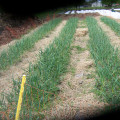
Organic farming is a holistic approach to agriculture that emphasizes the use of natural processes and materials to cultivate crops and raise livestock. At its core, organic farming seeks to create a sustainable ecosystem that promotes biodiversity, enhances soil health, and minimizes environmental impact. This method of farming is grounded in principles that prioritize the health of the land, the welfare of animals, and the well-being of consumers. By avoiding synthetic fertilizers, pesticides, and genetically modified organisms (GMOs), organic farmers work to maintain a balance within their ecosystems, ensuring that both the environment and the food produced are safe and nutritious.The benefits of organic farming extend far beyond just the absence of harmful chemicals.
One significant advantage is the enhancement of soil fertility through practices such as crop rotation, cover cropping, and composting. These methods not only improve soil structure but also increase its ability to retain moisture and nutrients, leading to healthier plants and higher yields over time. Additionally, organic farming practices often lead to reduced erosion and improved water quality, as they promote a more responsible use of natural resources.Moreover, organic farming fosters a deeper connection between consumers and their food sources. By choosing organic products, consumers support local farmers who are committed to sustainable practices.
This not only helps stimulate local economies but also encourages a shift towards more environmentally friendly agricultural practices on a larger scale. As awareness grows about the importance of sustainable food systems, investing in organic farming becomes not just an economic opportunity but also a chance to contribute positively to global health and environmental stewardship.
Economic Advantages of Organic Farming
Investing in organic farming presents a multitude of economic advantages that are increasingly attracting both new and seasoned investors. One of the most compelling reasons to consider organic farming is its potential for higher profitability compared to conventional farming methods. According to a report by the USDA, organic farms can yield profits that are 20% to 30% higher than their conventional counterparts, primarily due to the premium prices that organic products command in the marketplace.The growing consumer demand for organic products is a significant driver of this profitability. , organic farms can yield profits that are 20% to 30% higher than their conventional counterparts, primarily due to the premium prices that organic products command in the marketplace.The growing consumer demand for organic products is a significant driver of this profitability.As more consumers become health-conscious and environmentally aware, they are willing to pay a premium for organic goods. In fact, the Organic Trade Association reported that organic food sales reached over $62 billion in 2020, marking a 12.4% increase from the previous year. This trend indicates a robust market for organic products, making it an attractive sector for investment.Moreover, organic farming contributes positively to local economies by creating jobs and stimulating growth in related sectors. A study conducted by the Rodale Institute found that organic farming creates 30% more jobs per acre than conventional farming.
This job creation is vital for rural communities, where employment opportunities can be limited. As organic farms expand, they often require additional labor for planting, harvesting, and processing, thereby providing much-needed employment.Investors can also benefit from the long-term sustainability of organic farming practices. By focusing on soil health and biodiversity, organic farms tend to be more resilient against climate change and market fluctuations. This resilience translates into stable returns on investment over time.
For instance, a case study from California highlighted an organic almond farm that not only achieved higher yields but also maintained profitability during drought conditions by employing sustainable water management practices.In conclusion, the economic benefits of investing in organic farming are clear: higher profitability, strong market demand, and job creation all contribute to making it one of the best organic farming options available today. As consumer preferences continue to shift towards sustainable practices, those who invest in this sector are likely to see substantial returns while supporting environmentally friendly agriculture.
Environmental Impact of Organic Farming
Organic farming plays a crucial role in promoting environmental sustainability, offering numerous benefits that extend beyond the farm gate. By prioritizing practices that enhance soil health, conserve biodiversity, and minimize chemical usage, organic farming contributes significantly to a healthier planet.Soil Health
One of the most significant advantages of organic farming is its positive impact on soil health. Organic practices, such as crop rotation, cover cropping, and the use of organic fertilizers, help to build and maintain healthy soil ecosystems.
These methods improve soil structure, enhance nutrient availability, and increase water retention capacity. Healthy soils are not only more productive but also play a vital role in carbon sequestration, helping to mitigate climate change.
Biodiversity Conservation
Organic farming promotes biodiversity both on and off the farm. By avoiding synthetic pesticides and fertilizers, organic farmers create a more balanced ecosystem that supports a variety of plant and animal species. This biodiversity is essential for maintaining resilient agricultural systems that can withstand pests, diseases, and changing climate conditions.
Furthermore, organic farms often serve as habitats for beneficial insects and wildlife, contributing to the overall health of local ecosystems.
Reduced Chemical Usage
One of the hallmarks of organic farming is the strict limitation on synthetic chemicals. By eliminating or significantly reducing the use of harmful pesticides and fertilizers, organic farming minimizes the risk of chemical runoff into waterways, which can lead to pollution and harm aquatic life. This commitment to reducing chemical inputs not only protects the environment but also promotes healthier food systems for consumers.
Climate Change Mitigation
Organic farming practices are inherently more sustainable and can play a pivotal role in combating climate change. By enhancing soil carbon storage through organic matter addition and reducing greenhouse gas emissions associated with synthetic fertilizers, organic farms contribute to a lower carbon footprint in agriculture.
Additionally, the emphasis on local food systems within organic farming reduces transportation emissions, further supporting climate resilience.In conclusion, investing in organic farming is not just an economic decision; it is a commitment to fostering environmental sustainability. By supporting practices that enhance soil health, promote biodiversity, reduce chemical usage, and mitigate climate change, we can create a more sustainable agricultural future for generations to come.
Health Benefits of Organic Products
Investing in organic farming not only supports sustainable practices but also promotes health benefits that are increasingly recognized by consumers. One of the primary advantages of organic products is their potential to offer superior nutritional value compared to conventional food. Research has shown that organic fruits and vegetables often contain higher levels of essential nutrients, including vitamins, minerals, and antioxidants.Health Benefits of Organic Food
- Reduced Chemical Exposure: Organic farming practices prohibit the use of synthetic pesticides and fertilizers.
This means that consumers of organic products are less likely to be exposed to harmful chemicals that can linger on conventional produce.
- Higher Antioxidant Content: Studies suggest that organic crops may have higher antioxidant levels, which are crucial for combating oxidative stress in the body. Antioxidants play a vital role in reducing inflammation and lowering the risk of chronic diseases.
- Better Taste: Many consumers report that organic produce tastes better than its conventional counterparts. This enhanced flavor can be attributed to the natural growing methods and the absence of artificial additives.
However, numerous studies have debunked this myth. For instance, a comprehensive review published in the British Journal of Nutrition found no significant differences in nutritional quality between organic and conventional foods. Instead, it highlighted that while both types can be healthy, organic foods often come with added benefits related to environmental sustainability and reduced chemical exposure.
Organic vs Conventional Food
The debate between organic and conventional food extends beyond nutrition; it encompasses environmental impact and ethical considerations as well. Organic farming practices promote biodiversity, improve soil health, and reduce pollution from synthetic chemicals.
By choosing organic products, consumers are not only investing in their health but also supporting a more sustainable agricultural system.In conclusion, the health benefits associated with consuming organic products are substantial. From reduced chemical exposure to potentially higher nutrient levels, organic foods offer a compelling case for those looking to enhance their diet while supporting sustainable farming practices.
Social and Community Benefits of Organic Farming
Investing in organic farming extends beyond the realm of agriculture; it significantly impacts social structures and community dynamics. By prioritizing sustainable practices, organic farming fosters a sense of community and strengthens local economies.Community Development
Organic farms often serve as community hubs, bringing together individuals from diverse backgrounds. These farms can host workshops, farmers' markets, and educational programs that promote awareness about sustainable practices and healthy eating.
Such initiatives not only educate the public but also create a sense of belonging among community members.Moreover, organic farming encourages collaboration among local producers. By forming cooperatives or joining community-supported agriculture (CSA) programs, farmers can share resources, reduce costs, and enhance their market reach. This collaborative spirit fosters a supportive environment where farmers can thrive together.
Support for Local Economies
Investing in organic farming has a direct positive effect on local economies. Organic farms typically source their inputs locally, which stimulates nearby businesses and creates jobs.
According to studies, every dollar spent on local food systems generates approximately $1.76 in economic activity. This multiplier effect underscores the importance of supporting local agriculture.Additionally, organic farms often pay fair wages to their workers, contributing to economic stability within the community. By prioritizing ethical labor practices, these farms empower individuals and families, helping to reduce poverty levels in rural areas.
Empowerment of Marginalized Groups
Organic farming also plays a crucial role in empowering marginalized groups, including women and people of color. Many organic initiatives focus on providing resources and training to these communities, enabling them to participate actively in sustainable agriculture.
This empowerment not only enhances their economic prospects but also fosters leadership skills and self-sufficiency.Furthermore, by promoting diversity in farming practices and ownership, organic agriculture helps to dismantle systemic barriers that have historically marginalized certain groups. This inclusivity is vital for creating resilient food systems that reflect the needs and values of all community members.In conclusion, the social benefits of investing in organic farming are profound. From fostering community development and supporting local economies to empowering marginalized groups, organic agriculture serves as a catalyst for positive change within society.
Challenges in Organic Farming Investment
Investing in organic farming presents a unique set of challenges that potential investors must navigate to ensure a successful venture. While the benefits of organic agriculture are well-documented, understanding the hurdles is equally important for making informed decisions.Certification Processes
One of the primary barriers to entering the organic farming sector is the certification process.
Obtaining organic certification can be a lengthy and complex endeavor, often taking several years. Farmers must adhere to strict guidelines set by the USDA, which include:
- Maintaining detailed records of farming practices.
- Using only approved organic inputs.
- Implementing crop rotation and soil management techniques that promote ecological balance.
Market Fluctuations
The organic market is not immune to fluctuations. Prices for organic products can vary widely based on consumer demand, competition, and seasonal factors.
Investors must be prepared for:
- Price volatility: Organic products often command higher prices, but these can drop unexpectedly due to oversupply or changes in consumer preferences.
- Market saturation: As more farmers transition to organic practices, competition increases, potentially driving prices down.
Resource Availability
Another challenge in organic farming investment is the availability of resources. Organic farmers often face difficulties in accessing:
- Quality seeds: Organic seeds can be more expensive and harder to find than conventional seeds.
- Technical assistance: Many farmers lack access to expert advice on organic practices, which can hinder their ability to implement effective strategies.
- Financial support: While there are grants and loans available for organic farmers, navigating these options can be daunting.
Future Trends in Organic Farming Investment
The landscape of organic farming is evolving rapidly, driven by a combination of technological advancements, shifting consumer preferences, and a growing awareness of environmental sustainability. As we look to the future, several key trends are emerging that will shape the investment landscape in organic agriculture.Technological Innovations
One of the most significant trends in organic farming is the integration of technology to enhance productivity and sustainability.Innovations such as precision agriculture, which utilizes data analytics and GPS technology, allow farmers to optimize their inputs and reduce waste. This not only improves crop yields but also minimizes the environmental impact of farming practices.Additionally, advancements in biotechnology are paving the way for organic farmers to develop more resilient crop varieties that can withstand pests and climate fluctuations without relying on synthetic chemicals. These innovations are crucial for maintaining the integrity of organic farming while meeting the increasing demand for food.
Consumer Preferences Shifting Towards Sustainability
As consumers become more conscious of their food choices, there is a noticeable shift towards sustainable and ethically produced products. This trend is reflected in the rising demand for organic produce, which is perceived as healthier and more environmentally friendly.Investors who recognize this shift can capitalize on the growing market for organic products by supporting farms that prioritize sustainable practices.Moreover, transparency in food sourcing is becoming increasingly important to consumers. Organic farms that can demonstrate their commitment to sustainable practices through certifications and traceability will likely attract more investment as they build trust with their customer base.
Regenerative Agriculture Practices
Another emerging trend is the adoption of regenerative agriculture practices within the organic sector. These practices focus on restoring soil health, enhancing biodiversity, and improving water retention. By investing in regenerative methods, organic farmers can not only increase their productivity but also contribute positively to the ecosystem.Investors are beginning to recognize the long-term benefits of supporting farms that implement regenerative practices.This approach not only aligns with consumer preferences for sustainability but also positions farms to be more resilient against climate change impacts.In conclusion, the future of organic farming investment looks promising as technological innovations, changing consumer preferences, and regenerative practices converge. By staying informed about these trends, investors can make strategic decisions that support sustainable agriculture while reaping financial rewards.
FAQs About Investing in Organic Farming
Investing in organic farming can be a rewarding venture, but it also comes with its own set of questions and considerations. Here are some frequently asked questions that can help clarify common doubts about investing in this sustainable agricultural practice.What are the primary benefits of investing in organic farming?
Investing in organic farming offers numerous advantages, including:- Higher Profit Margins: Organic products often command higher prices in the market due to increasing consumer demand for healthier and environmentally friendly options.
- Sustainability: Organic farming practices promote biodiversity, soil health, and ecosystem balance, making it a more sustainable choice for the environment.
- Market Growth: The organic food market is expanding rapidly, providing investors with opportunities for growth and profitability.
Is organic farming more profitable than conventional farming?
While profitability can vary based on location, crop type, and management practices, many studies indicate that organic farms tend to be more profitable over time. This is largely due to the premium prices that organic products can fetch and the growing consumer base willing to pay for them.What challenges do organic farmers face?
Investors should be aware of several challenges that organic farmers may encounter:- Certification Costs: Obtaining organic certification can be expensive and time-consuming, requiring adherence to strict regulations.
- Pest Management: Organic farmers must find alternative pest control methods, which can sometimes be less effective than conventional pesticides.
- Market Competition: As the organic market grows, competition increases, making it essential for farmers to differentiate their products.
How can I get started with investing in organic farms?
If you're interested in investing in organic farming, consider the following steps:- Research: Understand the organic farming landscape, including market trends and potential risks.
- Connect with Experts: Engage with agricultural experts or investment platforms specializing in sustainable agriculture.
- Diversify Your Investments: Consider investing in a variety of organic farms or related businesses to spread risk and increase potential returns.
Conclusion: The Case for Organic Farming Investment
In conclusion, the case for investing in organic farming is compelling and multifaceted.As we have explored throughout this article, the benefits extend far beyond mere profitability. Organic farming represents a sustainable approach to agriculture that not only enhances economic viability but also promotes environmental stewardship, public health, and social equity.From an economic perspective, organic farms often yield higher profits compared to their conventional counterparts. This is largely due to the increasing consumer demand for organic products, which allows farmers to command premium prices. Moreover, the organic sector has shown resilience in times of economic downturns, making it a wise investment choice for those looking to diversify their portfolios.Environmentally, organic farming practices contribute significantly to soil health, biodiversity, and water conservation.
By avoiding synthetic pesticides and fertilizers, organic farmers help reduce pollution and protect ecosystems. This commitment to sustainable practices not only benefits the planet but also ensures that future generations can enjoy a healthy environment.Health-wise, organic products are often perceived as safer and more nutritious. Research indicates that organic farming can lead to higher levels of certain nutrients in crops while minimizing exposure to harmful chemicals. This focus on health aligns with the growing consumer trend towards wellness and clean eating.Socially, investing in organic farming supports local communities and promotes equitable access to healthy food.
It empowers marginalized groups, including BIPOC farmers, by providing them with opportunities to thrive in a sector that values sustainability and ethical practices.In summary, the investment in organic farming is not just a financial decision; it is a commitment to fostering a healthier planet and society. As we move forward, it is crucial for investors, policymakers, and consumers alike to recognize the importance of supporting this vital sector. By doing so, we can create a more sustainable future that benefits everyone.