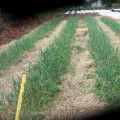
In an era where sustainable practices are becoming increasingly vital, organic farming emerges as a beacon of hope for those looking to maximize productivity on limited land. With only 40 acres at your disposal, the challenge of achieving farming success may seem daunting. However, organic farming offers a unique approach that not only enhances crop yield but also promotes environmental health and biodiversity. By focusing on natural methods and sustainable practices, farmers can cultivate their land in a way that is both profitable and ecologically responsible.The essence of organic farming lies in its commitment to working with nature rather than against it. emerges as a beacon of hope for those looking to maximize productivity on limited land. With only 40 acres at your disposal, the challenge of achieving farming success may seem daunting. However, organic farming offers a unique approach that not only enhances crop yield but also promotes environmental health and biodiversity. By focusing on natural methods and sustainable practices, farmers can cultivate their land in a way that is both profitable and ecologically responsible.The essence of organic farming lies in its commitment to working with nature rather than against it.
This method emphasizes the use of organic fertilizers, crop rotation, and natural pest control, which can lead to healthier soil and more resilient crops. For farmers operating on smaller plots, such as 40 acres, these practices can significantly improve soil fertility and crop diversity, ultimately leading to higher yields. Moreover, organic produce often commands premium prices in the market, providing an additional financial incentive for farmers to adopt these methods.As we delve deeper into the strategies that can enhance farming success on limited land, it becomes clear that organic farming is not just a trend but a necessary shift towards sustainable agriculture. By implementing effective techniques tailored to their specific land conditions, farmers can create a thriving ecosystem that benefits both their crops and the environment.
This section will explore various organic farming practices that can be employed on 40 acres, setting the stage for a comprehensive understanding of how to achieve success in this rewarding field.
Understanding Organic Farming
Organic farming is a holistic approach to agriculture that emphasizes the use of natural processes and materials to cultivate crops and raise livestock. This method avoids synthetic fertilizers, pesticides, and genetically modified organisms (GMOs), focusing instead on sustainable practices that promote biodiversity and soil health.What is Organic Farming?
At its core, organic farming is based on a set of principles that prioritize ecological balance and the health of the environment. The primary tenets include:
- Soil Health: Organic farmers work to enhance soil fertility through natural amendments like compost, cover crops, and crop rotation.
- Biodiversity: Encouraging a diverse ecosystem helps control pests naturally and supports pollinators.
- Animal Welfare: Livestock are raised in humane conditions, with access to outdoor spaces and organic feed.
- Sustainability: Practices are designed to be sustainable over the long term, minimizing environmental impact.
Benefits of Organic Farming
The advantages of organic farming extend beyond just the produce. Here are some key benefits:
- Healthier Produce: Organic crops are often richer in nutrients and free from harmful chemicals, making them a healthier choice for consumers.
- Environmental Protection: By avoiding synthetic inputs, organic farming reduces pollution and conserves water resources.
- Biodiversity Conservation: Organic farms support a wider variety of plants and animals, contributing to ecological balance.
- Economic Viability: Although organic farming may require more labor initially, it can lead to higher profit margins due to premium pricing for organic products.
Organic Farming Methods
There are several methods employed in organic farming that help achieve its goals:
- Crop Rotation: Alternating different crops in the same area across seasons helps maintain soil fertility and disrupt pest cycles.
- Companion Planting: Planting different crops together can enhance growth and deter pests naturally.
- No-Till Farming: Minimizing soil disturbance helps preserve soil structure and health while reducing erosion.
- Organic Pest Management: Utilizing natural predators, traps, and organic pesticides helps control pest populations without harming beneficial insects.
By understanding its principles, benefits, and methods, farmers can maximize their success on 40 acres while contributing positively to the ecosystem.
Assessing Your Land: Soil Quality and Preparation
When embarking on the journey of organic farming, the foundation of your success lies in the quality of your soil. Healthy soil is not just a medium for plants; it is a living ecosystem that supports plant growth, retains moisture, and provides essential nutrients. Therefore, assessing and improving soil quality is paramount for maximizing productivity on your 40 acres.Understanding Soil Quality
Soil quality refers to the ability of soil to function within ecosystem boundaries, sustaining plant and animal life while maintaining environmental quality. For organic farming, this means focusing on soil health through natural processes rather than synthetic inputs.
Key indicators of soil quality include:
- Nutrient Content: Essential nutrients such as nitrogen, phosphorus, and potassium must be present in adequate amounts.
- Soil Structure: Well-structured soil promotes aeration and water infiltration, which are crucial for root development.
- Microbial Activity: A diverse population of microorganisms contributes to nutrient cycling and organic matter decomposition.
- pH Level: The acidity or alkalinity of the soil affects nutrient availability and microbial activity.
Soil Testing Methods
Before you can improve your soil, you need to understand its current state. Conducting a comprehensive soil test is the first step. Here are some methods to consider:
- Laboratory Testing: Collect samples from various locations across your land and send them to a certified lab. This will provide detailed information on nutrient levels, pH, and organic matter content.
- DIY Testing Kits: For a quick assessment, you can use home testing kits available at garden centers.
These kits typically measure pH and basic nutrient levels.
- Visual Inspection: Observe the soil's texture, color, and structure. Darker soils often indicate higher organic matter content.
Land Preparation Techniques
Once you have assessed your soil quality, the next step is preparation. Proper land preparation enhances soil health and sets the stage for successful crop growth. Here are some effective techniques:
- No-Till Farming: This method minimizes soil disturbance, preserving its structure and microbial life while reducing erosion.
- Cover Cropping: Planting cover crops during off-seasons helps prevent erosion, suppress weeds, and improve soil fertility through nitrogen fixation.
- Composting: Adding organic matter through compost enriches the soil with nutrients and improves its structure.
- Mulching: Applying a layer of organic material on the surface helps retain moisture, suppress weeds, and gradually adds nutrients as it decomposes.
This foundational work not only enhances productivity but also aligns with the principles of sustainable organic farming.
Crop Selection for Maximum Yield
Choosing the right crops is essential for maximizing yield on a 40-acre farm, especially when focusing on best organic farming practices. The selection process should consider various factors, including soil quality, climate, and market demand. Here are some key considerations for crop selection:- Soil Compatibility: Conducting soil tests is crucial to understand nutrient levels and pH balance. This information helps in selecting crops that thrive in your specific soil conditions.
- Climate Adaptability: Choose crops that are well-suited to your local climate.
For instance, if you live in a warmer region, consider heat-tolerant varieties of vegetables and fruits.
- Market Demand: Research local markets to identify which organic crops are in high demand. Growing popular crops can lead to better profitability.
High-Yield Organic Crops
When it comes to organic farming, certain crops are known for their high yields and profitability. Some of the best crops for organic farming include:- Tomatoes: Known for their versatility and high market value, organic tomatoes can yield up to 30 tons per acre when grown under optimal conditions.
- Leafy Greens: Crops like spinach and kale grow quickly and can be harvested multiple times in a season, making them excellent choices for continuous income.
- Herbs: Basil, cilantro, and parsley are not only high-value crops but also require less space, allowing for more efficient land use.
The Importance of Crop Rotation
Implementing a crop rotation strategy is vital for maintaining soil health and maximizing yields. By alternating different types of crops in the same area over seasons, farmers can:- Enhance Soil Fertility: Different crops have varying nutrient requirements.
Rotating them helps replenish essential nutrients in the soil.
- Pest Management: Crop rotation disrupts pest life cycles, reducing the likelihood of infestations and the need for chemical interventions.
- Diversify Income Streams: Growing a variety of crops can protect against market fluctuations and provide multiple revenue sources throughout the year.
Implementing Sustainable Farming Practices
Implementing sustainable farming practices is essential for maximizing the productivity and longevity of any organic farm. These practices not only enhance the health of the ecosystem but also improve the quality of produce, making it more appealing to consumers who are increasingly seeking organic options.Pest Management in Organic Farming
Effective pest management is a cornerstone of sustainable organic farming. Unlike conventional methods that rely heavily on synthetic pesticides, organic pest management focuses on natural solutions.Here are some strategies:
- Crop Rotation: This practice involves changing the type of crops grown in a particular area each season. By rotating crops, farmers can disrupt the life cycles of pests and reduce their populations.
- Beneficial Insects: Introducing or encouraging beneficial insects, such as ladybugs and lacewings, can help control pest populations naturally. These insects prey on common pests like aphids and caterpillars.
- Companion Planting: Certain plants can deter pests when grown alongside crops. For example, planting marigolds near vegetables can repel nematodes and other harmful insects.
- Organic Pesticides: When necessary, organic farmers can use natural pesticides derived from plants or minerals, such as neem oil or diatomaceous earth, which are less harmful to the environment.
Water Conservation Techniques
Water conservation is another critical aspect of sustainable farming.Efficient water use not only conserves this precious resource but also reduces costs associated with irrigation. Here are some effective techniques:
- Drip Irrigation: This method delivers water directly to the plant roots through a system of tubes and emitters, minimizing evaporation and runoff.
- Rainwater Harvesting: Collecting rainwater from roofs and other surfaces can provide an additional water source for irrigation, reducing reliance on groundwater.
- Mulching: Applying organic mulch around plants helps retain soil moisture, suppress weeds, and improve soil health as it decomposes.
- Soil Moisture Sensors: Utilizing technology to monitor soil moisture levels allows farmers to irrigate only when necessary, preventing overwatering and conserving water resources.
Utilizing Technology in Organic Farming
In the realm of organic farming , the integration of technology has become a game-changer, enabling farmers to enhance productivity while adhering to sustainable practices. By leveraging modern tools and techniques, organic farmers can optimize their operations, even on smaller plots of land like 40 acres.Precision agriculture
is at the forefront of this technological revolution.
This approach utilizes data-driven insights to make informed decisions about crop management. For instance, GPS technology allows farmers to map their fields accurately, identifying variations in soil quality and moisture levels. This information is crucial for tailoring interventions that maximize yield without compromising organic standards.One of the most significant advancements in precision agriculture is the use of drones. These unmanned aerial vehicles can survey large areas quickly, providing real-time data on crop health and growth patterns.
By analyzing aerial imagery, farmers can detect issues such as pest infestations or nutrient deficiencies early on, allowing for timely interventions that minimize crop loss.Additionally, modern farming tools such as soil sensors play a vital role in organic farming. These sensors monitor soil moisture and nutrient levels, enabling farmers to apply water and organic fertilizers more efficiently. This not only conserves resources but also ensures that crops receive the necessary nutrients at the right time, promoting healthy growth.Another innovative tool is the use of automated irrigation systems. These systems can be programmed to deliver precise amounts of water based on real-time data from soil sensors.
By optimizing water usage, farmers can reduce waste and enhance crop resilience during dry spells.Moreover, software applications designed for farm management can streamline operations by tracking everything from planting schedules to harvest yields. These platforms allow farmers to analyze historical data and forecast future trends, making it easier to plan for seasonal changes and market demands.In conclusion, embracing technology in organic farming not only boosts productivity but also aligns with sustainable practices. By utilizing precision agriculture tools and modern equipment, farmers can maximize their yields while maintaining the integrity of their organic methods. As technology continues to evolve, its role in enhancing organic farming will undoubtedly grow, paving the way for more efficient and sustainable agricultural practices.
Marketing Your Organic Produce Effectively
Successfully marketing your organic produce is essential for maximizing profitability on your 40-acre farm.With the growing demand for organic products, implementing effective marketing strategies can set your farm apart from competitors and attract a loyal customer base.
Understanding Your Target Market
Before diving into marketing tactics, it’s crucial to understand who your target customers are. Organic consumers often prioritize health, sustainability, and local sourcing. Conducting market research can help you identify demographics, preferences, and buying behaviors. This information will guide your marketing efforts and product offerings.
Branding Your Organic Farm
A strong brand identity is vital in the organic market.
Your brand should reflect the values of sustainability and quality that resonate with organic consumers. Consider the following elements:
- Logo and Packaging: Create a memorable logo and use eco-friendly packaging that communicates your commitment to organic farming.
- Storytelling: Share your farm’s story through various channels. Highlight your farming practices, the journey of your produce from farm to table, and your commitment to environmental stewardship.
- Certifications: Display any organic certifications prominently on your packaging and marketing materials to build trust with consumers.
Direct-to-Consumer Sales Strategies
One of the most effective ways to sell organic produce is through direct-to-consumer channels. Here are some strategies to consider:
- Farmers' Markets: Participating in local farmers' markets allows you to connect directly with customers, receive immediate feedback, and build relationships.
- Community Supported Agriculture (CSA): Establish a CSA program where customers subscribe to receive regular deliveries of fresh produce.
This not only provides upfront capital but also fosters a sense of community.
- Online Sales: Create an e-commerce platform or utilize social media to promote and sell your products. Offering home delivery or pickup options can enhance convenience for customers.
Utilizing Social Media
Social media platforms are powerful tools for marketing organic produce. Use platforms like Instagram and Facebook to showcase your farm, share recipes, and engage with customers. Regularly posting high-quality images of your produce can attract attention and encourage shares, expanding your reach.
Building Relationships with Local Businesses
Collaborating with local restaurants, grocery stores, and co-ops can also enhance your market presence.
Establish partnerships where they feature your organic produce on their menus or shelves. This not only increases sales but also strengthens community ties.In conclusion, effectively marketing your organic produce involves understanding your target market, building a strong brand, utilizing direct-to-consumer sales strategies, leveraging social media, and fostering local partnerships. By implementing these strategies, you can significantly enhance the visibility and profitability of your organic farming operation.
Challenges in Organic Farming on Limited Land
Operating an organic farm on 40 acres or less presents unique challenges that can hinder productivity and profitability. Understanding these obstacles is crucial for farmers aiming to maximize their success while adhering to organic practices.1.Limited Resources
Small-scale organic farmers often face constraints in terms of financial resources, labor, and equipment.
These limitations can make it difficult to implement the necessary practices for maintaining soil health, pest management, and crop rotation. Without adequate funding, investing in high-quality organic seeds or sustainable farming equipment becomes a challenge.
2.Soil Fertility Management
Maintaining soil fertility is essential for organic farming, yet it can be particularly challenging on smaller plots of land. The natural nutrient cycling processes may not be sufficient to support high-yield crops, leading to potential declines in productivity over time. Farmers must find ways to enrich their soil without relying on synthetic fertilizers.
3.Pest and Disease Control
Organic farming relies on natural methods for pest and disease control, which can be less effective than conventional methods.
On limited land, the risk of pest infestations can escalate quickly, threatening entire crops. Farmers must develop integrated pest management strategies that are both effective and compliant with organic standards.
4.Market Access
Finding markets for organic produce can be more challenging for small-scale farmers compared to larger operations that have established distribution channels. Limited access to local markets or consumers can restrict sales opportunities and affect profitability.
Solutions for Overcoming Challenges
- Collaborative Farming: Forming cooperatives with other local farmers can help share resources, knowledge, and market access. This collaboration can lead to bulk purchasing discounts on seeds and supplies, as well as shared marketing efforts.
- Soil Health Practices: Implementing cover cropping, composting, and crop rotation can enhance soil fertility naturally.
These practices not only improve soil health but also reduce the need for external inputs.
- Pest Management Strategies: Utilizing companion planting and introducing beneficial insects can help control pests organically. Regular monitoring and early intervention are key to managing pest populations effectively.
- Diverse Crop Selection: Growing a variety of crops can mitigate risks associated with market fluctuations and pest outbreaks. Diversification allows farmers to adapt to changing conditions while maximizing land use.
- Direct-to-Consumer Sales: Establishing a direct sales model through farmers' markets or community-supported agriculture (CSA) programs can enhance profitability by cutting out middlemen.
Case Studies: Successful Organic Farms on 40 Acres
Exploring the success stories of organic farms operating on 40 acres or less can provide valuable insights for aspiring farmers. These case studies highlight innovative practices, sustainable methods, and the potential for profitability in smaller farming operations.1.Green Acres Farm
Located in Oregon, Green Acres Farm is a prime example of how effective management and organic practices can lead to success on a modest plot of land.Spanning just 30 acres, this farm specializes in a diverse range of organic vegetables and herbs. By implementing crop rotation and companion planting , they maintain soil health and maximize yields.
- Crop Diversity: Green Acres grows over 50 different varieties of crops, which not only helps in pest management but also attracts a wider customer base.
- Community Supported Agriculture (CSA): They operate a successful CSA program, allowing local families to subscribe for weekly produce boxes, ensuring steady income throughout the year.
- Sustainable Practices: The farm utilizes rainwater harvesting and solar energy, reducing operational costs and environmental impact.
2.Sunny Hill Farm
Sunny Hill Farm in New York is another inspiring case study. With only 25 acres, this farm focuses on organic fruit production, particularly berries and apples. Their success stems from a combination of innovative marketing strategies and sustainable farming techniques.- Pest Management: They employ integrated pest management (IPM) strategies that minimize chemical use while effectively controlling pests.
- Agri-tourism: By offering pick-your-own fruit experiences, Sunny Hill Farm attracts visitors, creating an additional revenue stream.
- Education and Workshops: The farm hosts workshops on organic farming practices, fostering community engagement and promoting sustainable agriculture.
3.Urban Roots Farm
This urban farm operates on just 10 acres in a metropolitan area, demonstrating that even small spaces can yield significant results.Urban Roots focuses on organic vegetables and herbs while also engaging with the local community through educational programs.
- Vertical Farming Techniques: Utilizing vertical gardening methods allows them to maximize space and increase production without expanding their footprint.
- Partnerships with Local Restaurants: They have established relationships with local eateries that prioritize sourcing fresh, organic produce, ensuring consistent demand for their products.
- Community Engagement: Urban Roots offers volunteer opportunities and educational workshops to teach urban dwellers about sustainable farming practices.
Conclusion: Key Takeaways for Aspiring Organic Farmers
As we conclude our exploration of maximizing farming success on 40 acres, it is essential to distill the key takeaways that aspiring organic farmers should keep in mind. The journey of organic farming is not merely about the size of the land but rather how effectively it is managed and utilized.- Embrace Sustainable Practices: Organic farming thrives on sustainability. By utilizing natural methods for pest control, soil enrichment, and crop rotation, farmers can enhance soil health and biodiversity.
This not only leads to healthier crops but also contributes positively to the environment.
- Prioritize Soil Quality: The foundation of any successful farm lies in its soil. Conducting regular soil tests and amending the soil as needed ensures that crops receive the necessary nutrients. Techniques such as cover cropping and composting can significantly improve soil fertility over time.
- Implement Crop Rotation: Rotating crops helps maintain soil health and reduces the risk of pests and diseases. By alternating high-value crops with legumes or grains, farmers can optimize their yields while diversifying their income streams.
- Leverage Technology: Modern technology plays a crucial role in enhancing productivity.
From precision farming tools that optimize resource use to data analytics that inform planting decisions, embracing technology can lead to more efficient farming practices.
- Focus on Market Research: Understanding market demand is vital for profitability. Aspiring organic farmers should research local markets to identify high-demand crops and consider value-added products that can increase revenue.
- Network with Other Farmers: Building relationships with fellow farmers can provide invaluable insights and support. Joining local farming cooperatives or organic farming associations can facilitate knowledge sharing and collaboration.