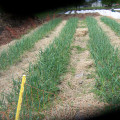
In recent years, the agricultural landscape has undergone a significant transformation, with organic farming emerging as a vital component of sustainable agriculture. This method of farming emphasizes the use of natural processes and materials, eschewing synthetic fertilizers and pesticides in favor of organic alternatives. As consumers become increasingly aware of the health and environmental impacts of their food choices, the demand for organic products has surged. This shift not only reflects a growing preference for healthier options but also highlights the importance of organic farming in promoting biodiversity, improving soil health, and reducing pollution.The benefits of organic farming extend beyond just consumer preferences; they also encompass economic advantages for farmers.
By adopting organic practices, farmers can tap into premium markets that offer higher prices for organic produce compared to conventional crops. This profitability is further enhanced by the potential for reduced input costs over time, as organic systems often rely on natural soil fertility and pest management strategies. Moreover, organic farms tend to attract a loyal customer base that values transparency and sustainability, leading to increased sales and brand loyalty.Understanding the significance of organic farming is crucial for farmers looking to maximize their profits while contributing positively to the environment. As we delve deeper into innovative strategies for enhancing farm profitability, it becomes clear that embracing organic practices not only aligns with consumer trends but also fosters a resilient agricultural system capable of withstanding the challenges posed by climate change and market fluctuations.
In this context, exploring various avenues within organic farming can unlock new revenue streams and ensure long-term sustainability for farmers.
Exploring Innovative Income Streams in Organic Farming
In the realm of organic farming, diversifying income streams is not just a strategy; it’s a necessity for sustainability and profitability. Farmers can explore various innovative avenues to enhance their earnings while adhering to organic practices.One promising approach is to tap into niche markets. These markets often demand unique products that are not widely available, allowing farmers to charge premium prices. For instance, growing heirloom varieties of fruits and vegetables can attract customers looking for quality and flavor over quantity.Additionally, specialty crops such as organic mushrooms, microgreens, or exotic herbs can cater to local restaurants and health-conscious consumers.Another effective way to increase income is through the production of value-added products. This involves transforming raw organic produce into finished goods that can be sold at a higher price point. Examples include:
- Organic jams and jellies: Utilizing surplus fruits to create preserves can significantly boost profits.
- Dried herbs and spices: Drying and packaging herbs not only extends their shelf life but also enhances their market value.
- Artisanal cheeses or yogurts: If you have dairy animals, producing organic dairy products can attract a loyal customer base.
By sharing knowledge about organic farming practices, sustainability, and healthy eating, they can create an additional revenue stream while promoting their farm's values. This approach not only diversifies income but also builds community engagement and loyalty.Lastly, leveraging technology through online sales platforms can expand market reach beyond local boundaries. Setting up an e-commerce site or utilizing social media for marketing can help farmers connect with a broader audience interested in organic products.In conclusion, by exploring these innovative income streams within the framework of organic farming, farmers can effectively diversify their income sources, ensuring long-term viability and success in an ever-evolving agricultural landscape.
Leveraging Technology for Increased Efficiency and Profitability
In the ever-evolving landscape of organic farming, leveraging technology has become essential for enhancing productivity and profitability. Farmers are increasingly turning to innovative tools and techniques that not only streamline operations but also ensure sustainable practices.One of the most significant advancements in this area is precision agriculture .
Precision agriculture
utilizes data analytics, GPS technology, and IoT devices to monitor and manage field variability in crops. This approach allows farmers to apply inputs such as water, fertilizers, and pesticides more efficiently, reducing waste and minimizing environmental impact. By analyzing soil health, moisture levels, and crop performance in real-time, farmers can make informed decisions that lead to higher yields and lower costs.Another critical component of modern farming is farm management software. These digital platforms provide farmers with comprehensive tools to manage their operations effectively.
From tracking inventory and labor costs to analyzing financial performance, farm management software helps streamline processes and improve decision-making. Some popular features include:
- Data Integration: Consolidates various data sources for a holistic view of farm operations.
- Financial Management: Assists in budgeting, forecasting, and tracking expenses.
- Crop Planning: Helps in planning crop rotations and managing planting schedules based on market demand.
- Compliance Tracking: Ensures adherence to organic certification standards and regulations.
Consumers are increasingly interested in knowing where their food comes from and how it is produced. By utilizing blockchain technology, farmers can provide verifiable information about their organic practices, thereby building trust with consumers and potentially commanding higher prices for their products.In conclusion, embracing technology in organic farming is no longer optional; it is a necessity for those looking to maximize profits while maintaining sustainable practices. By investing in precision agriculture tools and robust farm management software, farmers can enhance their operational efficiency, reduce costs, and ultimately increase their profitability.
The Role of Sustainable Practices in Boosting Profits
In the quest for maximizing profits on a farm, sustainable farming practices have emerged as a vital strategy that not only enhances environmental health but also boosts financial returns. By adopting eco-friendly methods, farmers can create a resilient agricultural system that meets the demands of today’s market while ensuring long-term viability.One of the most effective sustainable practices is crop rotation.This technique involves alternating the types of crops grown in a particular area across seasons. By doing so, farmers can improve soil health, reduce pest and disease cycles, and enhance nutrient availability. Healthier soil leads to better crop yields, which directly translates to increased profits.Another innovative approach is the use of cover crops. These are plants grown primarily to manage soil erosion, enhance soil fertility, and suppress weeds.
Cover crops can significantly reduce the need for chemical fertilizers and herbicides, leading to lower input costs. Additionally, they improve soil structure and moisture retention, which can result in higher yields during dry spells.
Integrated Pest Management (IPM)
is also a cornerstone of sustainable farming. This strategy combines biological control methods with traditional pest management techniques to minimize chemical use. By fostering natural predators and using targeted treatments only when necessary, farmers can protect their crops while reducing costs associated with pesticides.Moreover, implementing agroforestry practices—where trees and shrubs are integrated into crop and livestock systems—can provide multiple benefits.
This method not only enhances biodiversity but also creates additional income streams through timber or fruit production. The shade provided by trees can improve microclimates for crops, leading to better growth and yield.Finally, embracing organic farming principles can significantly elevate profit margins. Organic products often command higher prices in the market due to increasing consumer demand for healthy and sustainably produced food. While transitioning to organic farming requires adherence to strict regulations and may take time to establish, the long-term financial benefits can be substantial.In conclusion, integrating sustainable practices into farming operations not only contributes positively to the environment but also enhances profitability.
By focusing on methods that promote ecological balance and resource efficiency, farmers can secure their livelihoods while playing a crucial role in fostering a sustainable future.
Creating a Strong Brand and Marketing Strategy for Organic Products
In the competitive landscape of organic farming, establishing a strong brand and effective marketing strategy is crucial for success. Consumers today are increasingly conscious of their food choices, seeking products that align with their values, particularly in terms of sustainability and health. Therefore, creating a recognizable brand that resonates with these consumers can significantly enhance your market presence.Branding for Organic Farms
Your brand is more than just a logo; it embodies the values and mission of your farm. To create a compelling brand, consider the following:
- Define Your Unique Selling Proposition (USP): Identify what sets your organic products apart from others.
This could be your farming practices, the specific crops you grow, or your commitment to sustainability.
- Develop a Consistent Visual Identity: Use consistent colors, fonts, and imagery across all marketing materials. This helps consumers easily recognize your brand.
- Craft a Compelling Story: Share the story behind your farm—how it started, your farming philosophy, and your commitment to organic practices. A personal touch can create an emotional connection with consumers.
Marketing Organic Products
Once you have established your brand, it’s essential to implement effective marketing strategies to reach potential customers:
- Utilize Social Media: Platforms like Instagram and Facebook are excellent for showcasing your products and engaging with customers. Share behind-the-scenes content, recipes, and tips on using your organic produce.
- Participate in Local Farmers' Markets: This not only allows you to sell directly to consumers but also helps build community relationships and brand loyalty.
- Create an Informative Website: Your website should serve as a hub for information about your farm, products, and purchasing options.
Include a blog to share insights about organic farming and recipes using your produce.
Selling Organic Produce
To maximize sales of your organic products, consider diversifying your sales channels:
- Direct-to-Consumer Sales: Establish a subscription service or a Community Supported Agriculture (CSA) program where customers can receive fresh produce regularly.
- Partner with Local Restaurants: Build relationships with chefs who prioritize local and organic ingredients. This can lead to bulk orders and increased visibility for your brand.
- Online Sales: Explore e-commerce options to reach a broader audience. Offering delivery or shipping can make it easier for customers to access your products.
Utilizing Community Supported Agriculture (CSA) Models
Community Supported Agriculture (CSA) is an innovative model that allows organic farmers to connect directly with consumers, creating a mutually beneficial relationship. In this arrangement, consumers purchase a share of the farm's harvest in advance, providing farmers with essential upfront capital to cover operational costs.This model not only secures financial stability for farmers but also fosters a sense of community and trust between producers and consumers.
Benefits of CSA for Farmers
- Financial Security: By receiving payments before the growing season, farmers can manage their cash flow more effectively, allowing them to invest in seeds, equipment, and labor without the stress of waiting for market sales.
- Market Stability: CSAs help mitigate the risks associated with fluctuating market prices. With a committed customer base, farmers can focus on producing high-quality organic products without the constant worry of unsold inventory.
- Community Engagement: CSAs encourage local consumers to become more involved in the farming process. This engagement can lead to increased loyalty and support for the farm, as customers feel a personal connection to their food source.
- Feedback Loop: Direct interaction with customers allows farmers to receive immediate feedback on their products. This information can be invaluable for improving crop selection and tailoring offerings to meet consumer preferences.
Implementing a CSA Model
To successfully implement a CSA model, farmers should consider the following steps:
- Define Your Offerings: Decide what types of produce or products you will include in your CSA shares.
Consider seasonal availability and customer preferences.
- Set Pricing: Establish a fair price for your shares that reflects the value of your organic produce while remaining accessible to your target market.
- Create a Marketing Plan: Promote your CSA through social media, local events, and community boards. Highlight the benefits of supporting local agriculture and consuming organic products.
- Build Relationships: Foster strong relationships with your members by providing regular updates about farm activities, sharing recipes, and inviting them to farm events.
Exploring Agritourism as a Revenue Source
Agritourism is rapidly emerging as a lucrative avenue for farmers looking to diversify their income streams. By inviting visitors to experience farm life firsthand, farmers can create unique opportunities that not only enhance their profitability but also foster a deeper connection between consumers and the agricultural community.One of the most popular forms of agritourism is farm tours. These guided experiences allow visitors to explore the farm, learn about various crops, and understand the farming process.Farmers can tailor these tours to highlight their specific practices, such as organic farming methods or sustainable agriculture techniques. By sharing their knowledge and passion, farmers can engage visitors and encourage them to support local agriculture.In addition to tours, educational workshops can serve as another profitable agritourism venture. These workshops can cover a wide range of topics, from organic gardening and composting to cooking classes featuring farm-fresh ingredients. By providing hands-on experiences, farmers can attract individuals interested in learning more about sustainable practices and healthy eating.
This not only generates additional income but also positions the farm as a community resource for education and engagement.Moreover, hosting special events such as harvest festivals , seasonal markets, or farm-to-table dinners can significantly boost revenue. These events create a festive atmosphere that draws in crowds, allowing farmers to showcase their products while providing entertainment and education. Collaborating with local chefs or artisans can enhance these events, making them more appealing to a broader audience.To maximize the potential of agritourism, farmers should consider marketing strategies that highlight their unique offerings. Utilizing social media platforms, creating engaging content about farm activities, and partnering with local tourism boards can help reach a wider audience.
Additionally, establishing an online booking system for tours and workshops can streamline the process for visitors and increase participation.In conclusion, agritourism presents an innovative way for farmers to enhance their profitability while promoting awareness of agricultural practices. By offering immersive experiences through farm tours, educational workshops, and special events, farmers can create lasting connections with consumers and contribute positively to their communities.
The Benefits of Organic Certification and How to Achieve It
Obtaining organic certification is a significant step for farmers looking to enhance their marketability and profitability. This process not only validates the organic practices employed on the farm but also opens up access to a growing consumer base that prioritizes organic products. Below, we explore the benefits of being certified organic and outline the steps involved in achieving this certification.Benefits of Being Certified Organic
- Higher Market Prices: Organic products typically command higher prices compared to their conventional counterparts.
Consumers are often willing to pay a premium for products they perceive as healthier and more environmentally friendly.
- Access to Niche Markets: Certification allows farmers to tap into niche markets, including health food stores, farmers' markets, and online platforms that cater specifically to organic consumers.
- Increased Consumer Trust: Being certified organic enhances credibility and builds trust with consumers. It assures them that the products meet stringent standards for organic farming.
- Potential for Government Support: Many governments offer financial incentives, grants, or subsidies for certified organic farms, which can help offset the costs associated with transitioning to organic practices.
- Environmental Benefits: Organic farming practices promote biodiversity, improve soil health, and reduce pollution from synthetic fertilizers and pesticides, contributing positively to the environment.
The Organic Certification Process
The journey to becoming certified organic involves several key steps:- Understand the Standards: Familiarize yourself with the USDA National Organic Program (NOP) standards or your country’s equivalent. These guidelines outline what practices are acceptable for organic farming.
- Select a Certifying Agent: Choose an accredited certifying agent who will evaluate your farm's practices and ensure compliance with organic standards.
- Create an Organic System Plan (OSP): Develop a comprehensive plan detailing your farming practices, including crop rotation, pest management, and soil fertility methods. This plan must align with organic standards.
- Implement Organic Practices: Transition your farm to organic practices if you haven’t already.
This may involve a three-year period during which you must adhere strictly to organic methods before certification can be granted.
- Undergo Inspection: Your certifying agent will conduct an on-site inspection of your farm to verify compliance with the OSP and organic standards. Be prepared to provide documentation of your practices.
- Receive Certification: If you pass the inspection, you will receive your organic certification, allowing you to market your products as organic.
Case Studies: Successful Organic Farmers Who Maximized Profits
Exploring the journeys of successful organic farmers can provide invaluable insights into effective strategies for maximizing profits. Here are a few case studies that highlight innovative approaches in organic farming.1.Green Valley Farms: Diversification and Community Engagement
Located in California, Green Valley Farms has successfully diversified its operations by integrating community-supported agriculture (CSA) programs.By allowing local consumers to subscribe to weekly boxes of fresh organic produce, they not only ensured a steady income stream but also fostered a loyal customer base. This model has proven beneficial, especially during market fluctuations, as it provides predictable revenue and strengthens community ties.
2.Blue Sky Organic Farm: Specialty Crops and Value-Added Products
Blue Sky Organic Farm
, situated in Florida, has capitalized on the growing demand for specialty crops such as heirloom tomatoes and exotic herbs. By focusing on niche markets, they have been able to command higher prices for their products. Additionally, they have ventured into creating value-added products like organic sauces and dried herbs, which significantly boost their profit margins.
3.Harmony Acres: Sustainable Practices and Renewable Energy
Harmony Acres
, a farm in Oregon, has embraced sustainable practices that not only enhance their organic certification but also reduce operational costs.
By investing in solar panels, they have decreased their energy expenses and even sell excess energy back to the grid. This commitment to sustainability resonates with eco-conscious consumers, further enhancing their brand image and profitability.
4.Riverbend Farm: Agritourism as a Revenue Stream
Riverbend Farm
, located in Vermont, has successfully integrated agritourism into its business model. By offering farm tours, workshops on organic farming techniques, and seasonal events like pumpkin picking, they attract visitors who are eager to learn about sustainable agriculture. This not only generates additional income but also serves as an effective marketing tool for their organic products.These case studies illustrate that by adopting innovative strategies such as diversification, focusing on specialty crops, implementing sustainable practices, and engaging in agritourism, organic farmers can significantly enhance their profitability while contributing positively to their communities and the environment.
Conclusion: Key Takeaways for Maximizing Farm Profits through Organic Practices
In conclusion, maximizing profits on a farm through organic practices is not only feasible but also essential in today’s agricultural landscape.As we have explored, the shift towards best organic farming methods offers numerous opportunities for farmers to enhance their income while promoting sustainability and environmental health.Here are the key takeaways to consider:
- Embrace Organic Certification: While the process of becoming a certified organic farm may seem daunting, the long-term benefits far outweigh the initial challenges. Certified organic products often command higher prices in the market, allowing farmers to significantly boost their profit margins.
- Diversify Income Streams: Exploring various avenues such as agritourism, specialty crops, and renewable energy can provide farmers with multiple sources of income. This diversification not only stabilizes revenue but also mitigates risks associated with market fluctuations.
- Utilize Technology: Implementing modern farming technologies, such as precision agriculture and vertical farming, can optimize resource use and increase crop yields. These innovations enable farmers to produce more in less space while maintaining organic standards.
- Focus on Niche Markets: Identifying and targeting niche markets for organic products can lead to higher sales prices and increased demand.
Specialty crops that cater to specific consumer preferences can be particularly lucrative.
- Engage with the Community: Building relationships with local consumers through farmers' markets or community-supported agriculture (CSA) programs fosters loyalty and encourages repeat business. Engaging with the community also enhances brand visibility and trust.