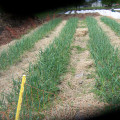
Organic farming is a holistic approach to agriculture that emphasizes the use of natural processes and materials to cultivate crops and raise livestock. At its core, organic farming seeks to create a sustainable ecosystem that promotes biodiversity, enhances soil health, and minimizes environmental impact. This method of farming is grounded in principles that prioritize the health of the soil, the environment, and the communities that depend on these resources. By avoiding synthetic fertilizers and pesticides, organic farmers work to maintain a balance within their ecosystems, fostering resilience against pests and diseases.
For those interested in improving their practices, understanding Everything You Need to Know about Soil is essential.The benefits of organic farming extend beyond just environmental considerations. Consumers are increasingly drawn to organic products due to their perceived health advantages, including reduced exposure to harmful chemicals and enhanced nutritional value. Additionally, organic farming practices can lead to improved soil structure and fertility over time, resulting in higher yields and better-quality produce. This sustainable approach not only supports local economies but also contributes to the global effort of combating climate change by sequestering carbon in healthy soils.To achieve these goals, organic farmers employ a variety of practices that align with their commitment to sustainability. For those interested in improving their practices, understanding Everything You Need to Know about Soil is essential.The benefits of organic farming extend beyond just environmental considerations. Consumers are increasingly drawn to organic products due to their perceived health advantages, including reduced exposure to harmful chemicals and enhanced nutritional value. Additionally, organic farming practices can lead to improved soil structure and fertility over time, resulting in higher yields and better-quality produce. This sustainable approach not only supports local economies but also contributes to the global effort of combating climate change by sequestering carbon in healthy soils.To achieve these goals, organic farmers employ a variety of practices that align with their commitment to sustainability.
Crop rotation, cover cropping, and composting are just a few techniques used to enhance soil fertility and prevent erosion. Integrated pest management (IPM) strategies are also crucial in organic farming, as they focus on natural pest control methods rather than relying on chemical interventions. By understanding the intricate relationships within their ecosystems, organic farmers can create a resilient agricultural system that thrives without compromising the health of the planet.
The Importance of Crop Selection in Organic Farming
Choosing the right crops is a fundamental aspect of successful organic farming. The selection process is not merely about personal preference or market trends; it involves a careful analysis of various factors that can significantly impact yield and sustainability.Understanding these factors can help farmers make informed decisions that align with both environmental stewardship and economic viability.
Climate
plays a pivotal role in crop selection. Different crops thrive in specific temperature ranges, humidity levels, and seasonal conditions. For instance, warm-season crops like tomatoes and peppers flourish in areas with long, hot summers, while cool-season crops such as spinach and kale prefer the milder temperatures of spring and fall. Farmers must assess their local climate patterns to determine which crops will perform best throughout the growing season.
Soil type
is another critical factor influencing crop selection.
The composition of soil—its texture, pH level, and nutrient content—can vary widely from one location to another. Conducting a thorough soil analysis allows farmers to identify nutrient deficiencies and understand the soil's capacity to support different types of crops. For example, sandy soils drain quickly and may be better suited for root vegetables like carrots and radishes, while clay soils retain moisture and are ideal for crops like potatoes.
Market demand
is equally important when selecting crops for organic farming. Understanding consumer preferences can guide farmers in choosing varieties that are not only suitable for their growing conditions but also have a strong market presence.
Organic produce often commands higher prices, but it is essential to stay attuned to trends in consumer behavior. For instance, the rising popularity of plant-based diets has increased demand for organic legumes and grains.Additionally, crop rotation should be considered as part of the selection process. Rotating different crops can enhance soil health by preventing nutrient depletion and reducing pest populations. This practice not only supports sustainable farming but also contributes to higher yields over time.In summary, effective crop selection in organic farming hinges on a comprehensive understanding of climate, soil type, market demand, and sustainable practices like crop rotation.
By carefully evaluating these factors, farmers can maximize their yields while promoting ecological balance and meeting consumer needs.
Top Crops for Organic Farming
When it comes to organic farming, selecting the right crops is crucial for maximizing yield and profitability. Below are some of the best organic crops that not only thrive in organic conditions but also offer excellent market potential.1.Leafy Greens
Leafy greens such as spinach , kale , and lettuce are among the most popular organic crops. They grow quickly, allowing for multiple harvests within a single season. These crops are highly marketable due to the increasing consumer demand for fresh, nutritious produce.Additionally, they can be grown in various climates, making them versatile options for organic farmers.
2.Tomatoes
Tomatoes
are another top choice for organic farming. They have a high yield potential and can be sold fresh or processed into sauces and salsas. Organic tomatoes often fetch a premium price at markets, especially heirloom varieties that appeal to gourmet consumers. Proper care in terms of soil health and pest management is essential to maximize their growth.
3.Berries
Berries
, including strawberries, blueberries, and raspberries, are increasingly popular in organic farming due to their high market value and consumer preference for organic produce.
These fruits require specific growing conditions, such as well-drained soil and adequate sunlight, but once established, they can produce fruit for several years.
4.Root Vegetables
Crops like carrots , beets , and radishes are excellent choices for organic farming as they tend to thrive in diverse soil types. Root vegetables are generally resilient against pests and diseases when grown organically, making them easier to cultivate without synthetic inputs.5.Grains
Grains
, such as quinoa and oats, are gaining traction in organic farming due to their nutritional benefits and versatility in cooking. These crops can be grown in rotation with other vegetables to improve soil health and reduce pest pressures.In conclusion, choosing the right crops is essential for successful organic farming. By focusing on high-yield varieties that meet market demands, farmers can enhance their productivity while adhering to sustainable practices.
Vegetables: The Backbone of Organic Farming
When it comes to organic farming, vegetables play a crucial role not only in crop diversity but also in enhancing soil health and maximizing yields.Selecting the best organic vegetables for your farm can significantly impact your overall productivity and sustainability.Some of the top-performing vegetables in organic systems include:
- Tomatoes: Known for their high market demand, tomatoes thrive in organic conditions when provided with adequate sunlight and nutrients. Varieties like heirloom tomatoes are particularly popular due to their rich flavors.
- Leafy Greens: Spinach, kale, and Swiss chard are excellent choices as they grow quickly and can be harvested multiple times throughout the season. These crops also contribute to soil health by providing ground cover.
- Carrots: Carrots are another high-yield vegetable that does well in organic farming. They require loose, well-drained soil to develop properly, making them ideal for crop rotation.
- Peppers: Both sweet and hot peppers are highly productive in organic systems.
They benefit from companion planting with herbs like basil, which can enhance their growth.
- Beans: As legumes, beans naturally fix nitrogen in the soil, improving fertility for subsequent crops. They are a great addition to any organic vegetable garden.
- Reduce Soil Depletion: Different plants have varying nutrient requirements.
By rotating crops, you can prevent the depletion of specific nutrients in the soil.
- Pest Management: Rotating crops disrupts the life cycles of pests and diseases that may target specific plants, reducing the need for chemical interventions.
- Enhance Soil Structure: Different root structures from various plants can improve soil aeration and water retention, leading to healthier crops.
Fruits: Profitable Choices for Organic Farmers
When it comes to organic farming, selecting the best organic fruits can significantly impact both profitability and sustainability. Organic fruit production not only caters to a growing market of health-conscious consumers but also promotes biodiversity and soil health.Here are some of the most profitable fruit crops that organic farmers should consider:
- Blueberries: Known for their high demand and health benefits, blueberries thrive in acidic soils rich in organic matter. They require careful pest management, particularly against birds and fruit flies. Implementing netting and companion planting can help protect these delicate fruits.
- Strawberries: These are another lucrative option, especially when grown in raised beds to improve drainage and soil quality. Organic strawberries benefit from mulching to suppress weeds and retain moisture, while also requiring regular monitoring for pests like aphids and slugs.
- Apples: With a variety of cultivars available, apples can be a staple for organic farms.
They require a well-drained soil with good fertility. Integrated pest management (IPM) strategies, including the use of beneficial insects and organic sprays, are essential for controlling common pests such as codling moths.
- Peaches: These fruits are highly sought after but require specific soil conditions—well-drained, sandy loam is ideal. Organic peach farming often involves proactive measures against diseases like brown rot, which can be managed through proper pruning and sanitation practices.
- Soil Health: Conduct regular soil tests to determine nutrient levels and pH.
Amendments such as compost or organic fertilizers can enhance soil fertility.
- Pest Management: Utilize organic pest control methods such as insect traps, natural predators, and organic pesticides to minimize crop loss while adhering to organic standards.
- Irrigation Practices: Implement drip irrigation systems to conserve water and deliver moisture directly to the root zone, which is particularly beneficial in fruit production.
Grains and Legumes: Essential Components of Organic Systems
In the realm of organic farming, grains and legumes play a pivotal role in enhancing soil fertility and promoting sustainable agricultural practices. These crops not only contribute to the overall health of the ecosystem but also provide essential nutrients that are crucial for subsequent plantings.Organic Grains
- Oats: Known for their versatility, oats are excellent for soil improvement. They can be used as a cover crop to prevent erosion and suppress weeds while adding organic matter to the soil.
- Barley: This hardy grain is particularly beneficial in cooler climates. Barley can be used in crop rotations to break pest cycles and improve soil structure.
- Wheat: Organic wheat varieties, such as hard red winter wheat, are well-suited for organic systems.
They provide good yields and can be integrated into diverse cropping systems.
The Best Legumes for Organic Farming
- Alfalfa: A perennial legume, alfalfa is renowned for its deep root system, which helps improve soil structure and nutrient availability. It is an excellent nitrogen fixer, making it a valuable addition to any organic rotation.
- Red Clover: This legume is not only beneficial for nitrogen fixation but also serves as a cover crop that enhances soil health. Red clover can be intercropped with grains to maximize land use efficiency.
- Field Peas: Field peas are a great choice for cool-season planting. They thrive in various soil types and contribute significantly to nitrogen levels in the soil.
Benefits of Legumes in Crop Rotation
The incorporation of legumes into crop rotation systems offers numerous advantages:
- Nitrogen Fixation: Legumes have the unique ability to convert atmospheric nitrogen into a form that plants can utilize, reducing the need for synthetic fertilizers.
- Pest Management: Rotating legumes with other crops can disrupt pest life cycles, leading to healthier plants and reduced reliance on pesticides.
- Soil Structure Improvement: The root systems of legumes help aerate the soil, enhancing water infiltration and root penetration for subsequent crops.
Cover Crops: Enhancing Soil Health and Productivity
Cover crops play a pivotal role in organic farming, serving as a powerful tool for enhancing soil health and boosting overall productivity.By planting specific crops during the off-season, farmers can significantly improve soil structure, fertility, and biodiversity, which are essential for sustainable agricultural practices.
Benefits of Cover Crops
- Soil Erosion Control: Cover crops help prevent soil erosion by stabilizing the soil with their root systems. This is particularly important in areas prone to heavy rainfall or wind.
- Nutrient Management: Many cover crops, especially legumes, have the ability to fix atmospheric nitrogen into the soil, enriching it naturally. This reduces the need for synthetic fertilizers and promotes a healthier ecosystem.
- Weed Suppression: A dense cover crop canopy can effectively suppress weed growth by outcompeting them for sunlight and nutrients, reducing the need for herbicides.
- Pest and Disease Management: Certain cover crops can disrupt pest cycles and reduce disease incidence by promoting beneficial insects and improving soil microbial activity.
Best Cover Crops for Organic Farming
When selecting cover crops, it’s essential to consider your specific climate, soil type, and the primary crops in your rotation. Some of the best options for organic farming include:
- Legumes: Such as clover, vetch, and peas are excellent for nitrogen fixation.
- Cereal Grains: Oats and rye are effective at preventing erosion and improving soil structure.
- Brassicas: Like radishes can help break up compacted soil and improve drainage.
Cover Crop Management
Effective management of cover crops is crucial to maximizing their benefits.
Here are some key practices to consider:
- Timing: Plant cover crops at the right time to ensure they establish well before winter. Terminate them before planting your main crop to avoid competition for resources.
- Diversity: Incorporate a mix of cover crop species to enhance biodiversity and resilience against pests and diseases.
- Soil Testing: Regularly test your soil to monitor nutrient levels and adjust your cover crop choices accordingly.
Organic Farming Techniques to Maximize Yields
To achieve optimal yields in organic farming, it is essential to implement a variety of effective techniques that not only enhance productivity but also promote sustainability. Here are some key methods that can significantly contribute to maximizing yields in organic agriculture:- Composting: Composting is a cornerstone of organic farming.
By recycling organic matter such as kitchen scraps, yard waste, and farm residues, farmers can create nutrient-rich compost that improves soil structure and fertility. This process enhances microbial activity in the soil, which is crucial for nutrient availability. Regularly applying compost can lead to healthier plants and increased crop yields.By recycling organic matter such as kitchen scraps, yard waste, and farm residues, farmers can create nutrient-rich compost that improves soil structure and fertility. This process enhances microbial activity in the soil, which is crucial for nutrient availability. Regularly applying compost can lead to healthier plants and increased crop yields.
- Mulching: Mulching involves covering the soil with organic materials like straw, wood chips, or grass clippings. This technique helps retain soil moisture, suppress weeds, and regulate soil temperature.
By reducing evaporation and preventing weed competition, mulching allows crops to access more nutrients and water, ultimately leading to higher yields.
- Crop Rotation: Implementing a crop rotation system is vital for maintaining soil health and fertility. By alternating different crops in a specific sequence, farmers can break pest and disease cycles while enhancing soil nutrient levels. For instance, rotating legumes with other crops can naturally replenish nitrogen in the soil, reducing the need for synthetic fertilizers.
- Integrated Pest Management (IPM): IPM is a holistic approach to managing pests that combines biological control, habitat manipulation, and cultural practices. By encouraging beneficial insects and using natural predators, farmers can minimize pest damage without relying on chemical pesticides.
This not only protects the environment but also supports healthier crop production.
- Cover Cropping: Planting cover crops during off-seasons helps improve soil health by preventing erosion, enhancing organic matter content, and fixing nitrogen in the soil. Species such as clover or vetch can be used effectively to enrich the soil while providing ground cover that suppresses weeds.
Challenges in Organic Crop Production and Solutions
Organic farming presents a unique set of challenges that can hinder crop production, particularly when it comes to managing pests and diseases. Unlike conventional farming, which often relies on synthetic pesticides and fertilizers, organic farmers must adopt alternative strategies that align with their commitment to sustainability and environmental stewardship.One of the most significant challenges in organic crop production is pest management.Pests can devastate crops, leading to reduced yields and financial losses. However, there are several effective strategies that organic farmers can implement to manage pest populations:
- Crop Rotation: Rotating crops each season disrupts pest life cycles and reduces the likelihood of infestations. By planting different families of crops in succession, farmers can minimize the buildup of pests that thrive on specific plants.
- Companion Planting: This technique involves planting certain crops together to naturally deter pests. For example, marigolds are known to repel nematodes and other harmful insects when planted alongside vegetables.
- Biological Control: Introducing natural predators or parasites of pests can help keep their populations in check.
For instance, ladybugs are effective at controlling aphid populations.
- Physical Barriers: Using row covers or nets can protect crops from insect damage while allowing sunlight and moisture to reach the plants.
- Soil Health Management: Healthy soil promotes strong plants that are more resistant to diseases. Regularly adding organic matter through compost or cover crops enhances soil structure and nutrient availability.
- Disease-Resistant Varieties: Selecting crop varieties that are bred for disease resistance can significantly reduce the incidence of infections.
- Sanitation Practices: Keeping fields clean by removing debris and infected plant material helps prevent the spread of diseases.
Regularly cleaning tools and equipment is also crucial.
Conclusion: The Future of Organic Farming and Crop Selection
As we look towards the future of organic farming, it becomes increasingly clear that informed crop selection is paramount for success. The journey through organic agriculture is not merely about adhering to a set of guidelines; it is about understanding the intricate relationships between soil health, crop diversity, and sustainable practices.By choosing the best organic farming crops suited to their specific environments, farmers can significantly enhance their yields while maintaining ecological balance.Throughout this article, we have explored various aspects of organic farming, from soil management techniques to the selection of cover crops that enrich the soil. Each decision made in the field has a ripple effect on the overall health of the farm ecosystem. For instance, incorporating legumes as cover crops not only provides essential nitrogen but also improves soil structure and moisture retention. This holistic approach is what sets organic farming apart from conventional methods.Moreover, understanding local climate conditions and soil types is crucial in determining which crops will thrive.
Farmers must engage in continuous learning and adaptation, utilizing resources such as local agricultural extensions and organic farming associations to stay informed about best practices and emerging trends.In conclusion, the future of organic farming hinges on our ability to make educated choices regarding crop selection. By prioritizing biodiversity and sustainability, we can cultivate not just crops but resilient ecosystems that support both agricultural productivity and environmental health. As we embrace these principles, we pave the way for a more sustainable agricultural landscape that benefits farmers, consumers, and the planet alike.