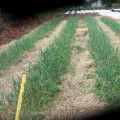
Organic farming is a holistic approach to agriculture that emphasizes the use of natural processes and materials to cultivate crops and raise livestock. At its core, organic farming seeks to create a sustainable ecosystem that not only produces food but also maintains the health of the environment. This method stands in stark contrast to conventional farming practices, which often rely heavily on synthetic fertilizers, pesticides, and genetically modified organisms (GMOs). By adhering to strict guidelines set by various certifying bodies, organic farmers commit to practices that promote biodiversity, soil health, and ecological balance.The benefits of organic farming extend beyond just environmental sustainability.
For consumers, organic products are often perceived as healthier options due to the absence of harmful chemicals and additives. Studies have shown that organic produce can contain higher levels of certain nutrients and antioxidants, making it a preferred choice for health-conscious individuals. Additionally, organic farming practices can lead to improved soil quality over time, resulting in more resilient agricultural systems capable of withstanding climate change impacts.Organic farming encompasses a variety of practices designed to enhance soil fertility and pest management without resorting to synthetic inputs. Techniques such as crop rotation, cover cropping, and composting are commonly employed to enrich the soil naturally.
Furthermore, integrated pest management (IPM) strategies are utilized to control pests through biological means rather than chemical interventions. These practices not only contribute to the sustainability of the farm but also foster a deeper connection between farmers and their land.As we delve deeper into the discussion on sustainable and profitable farming, understanding the principles and practices of organic farming will be essential. By prioritizing ecological health alongside economic viability, farmers can create systems that are not only productive but also resilient in the face of future challenges.
The Importance of Sustainability in Farming
Sustainability in farming is not just a trend; it is a necessity for the future of agriculture. As the global population continues to grow, the demand for food increases, putting immense pressure on our natural resources.Sustainable farming practices are essential to ensure that we can meet this demand without compromising the health of our planet.One of the most significant environmental impacts of conventional farming is soil degradation. Intensive farming methods often lead to soil erosion, nutrient depletion, and loss of biodiversity. In contrast, sustainable farming practices focus on maintaining soil health through techniques such as crop rotation, cover cropping, and reduced tillage. These methods not only preserve the soil structure but also enhance its fertility, allowing for better water retention and reduced runoff.Moreover, sustainable agriculture promotes biodiversity by encouraging a variety of crops and livestock.
This diversity helps create a more resilient ecosystem that can better withstand pests and diseases. By fostering a balanced environment, farmers can reduce their reliance on chemical pesticides and fertilizers, which can have detrimental effects on both human health and the environment.Another critical aspect of sustainability in farming is water conservation. Traditional agricultural practices often lead to over-extraction of water resources, resulting in depleted aquifers and disrupted ecosystems. Sustainable practices such as drip irrigation and rainwater harvesting can significantly reduce water usage while maintaining crop yields.
This not only conserves vital water resources but also minimizes the impact on surrounding habitats.In addition to environmental benefits, adopting sustainable practices can lead to long-term economic advantages for farmers. By reducing input costs associated with synthetic fertilizers and pesticides, farmers can improve their profit margins. Furthermore, consumers are increasingly seeking out organic and sustainably produced food, creating a market opportunity for farmers who prioritize sustainability.In conclusion, the importance of sustainability in agriculture cannot be overstated. By implementing sustainable farming practices, we can protect our environment, enhance soil health, conserve water resources, and ultimately ensure a profitable future for farmers.
Embracing sustainability is not just an ethical choice; it is a practical one that benefits both the planet and those who depend on it for their livelihoods.
Profitability in Organic Farming
Organic farming has gained significant traction in recent years, not only for its environmental benefits but also for its potential to be profitable. As consumers become more health-conscious and environmentally aware, the demand for organic products continues to rise. This section delves into how farmers can capitalize on this trend to enhance their profitability.Market Demand and Consumer Trends
The increasing consumer preference for organic products is a key driver of profitability in organic farming. According to recent studies, the organic food market is projected to grow significantly, with consumers willing to pay a premium for products that are free from synthetic pesticides and fertilizers.
This shift in consumer behavior presents a lucrative opportunity for farmers who adopt organic practices.
Pricing Strategies
To maximize profitability, farmers must implement effective pricing strategies. Organic products typically command higher prices than their conventional counterparts. Farmers can leverage this by:
- Direct Sales: Selling directly to consumers through farmers' markets or community-supported agriculture (CSA) programs can eliminate middlemen and increase profit margins.
- Branding: Developing a strong brand identity that emphasizes the quality and sustainability of organic products can attract loyal customers willing to pay more.
- Diversification: Offering a variety of organic products can help capture different market segments and reduce risk.
Cost Management
While transitioning to organic farming may involve initial costs, effective cost management can lead to long-term financial benefits. Farmers should consider:
- Soil Health: Investing in soil health through cover cropping and composting can reduce the need for expensive fertilizers over time.
- Pest Management: Utilizing integrated pest management (IPM) techniques can minimize reliance on costly organic pesticides.
- Efficient Resource Use: Implementing water conservation practices and energy-efficient technologies can lower operational costs.
By embracing these principles, farmers can not only contribute to a sustainable future but also secure their financial viability in an increasingly competitive agricultural landscape.
Best Practices for Sustainable and Profitable Organic Farming
To achieve a balance between sustainability and profitability in organic farming, it is essential to adopt best practices that not only enhance crop yields but also protect the environment. Here are some effective methods that farmers can implement:- Crop Rotation: This technique involves alternating the types of crops grown in a particular area across seasons. By rotating crops, farmers can improve soil health, reduce pest and disease cycles, and enhance nutrient availability. For instance, planting legumes after cereal crops can naturally replenish nitrogen levels in the soil, reducing the need for synthetic fertilizers.
- Permaculture: This holistic approach to farming emphasizes working with nature rather than against it.
By designing agricultural systems that mimic natural ecosystems, farmers can create self-sustaining environments. Key principles include using native plants, creating biodiversity, and implementing water conservation techniques. For example, integrating fruit trees with vegetable crops can provide shade and habitat for beneficial insects.
- Integrated Pest Management (IPM): IPM combines biological, cultural, physical, and chemical tools to manage pests in an environmentally friendly way. Farmers can use beneficial insects like ladybugs to control aphid populations or employ traps to monitor pest levels.
This method minimizes reliance on chemical pesticides, thus protecting both the ecosystem and farm profitability.
- Soil Health Management: Healthy soil is the foundation of sustainable farming. Practices such as cover cropping, reduced tillage, and organic amendments (like compost) can enhance soil structure and fertility. Cover crops prevent erosion and improve moisture retention while adding organic matter back into the soil.
- Water Conservation Techniques: Efficient water use is critical in organic farming. Implementing drip irrigation systems or rainwater harvesting can significantly reduce water waste while ensuring crops receive adequate moisture.
These methods not only conserve resources but also lower operational costs.
Challenges Faced by Organic Farmers
Organic farmers face a unique set of challenges that can hinder their ability to thrive in a competitive agricultural landscape. Understanding these obstacles is crucial for developing effective strategies to overcome them and ensure sustainable practices.Market Competition
One of the primary challenges for organic farmers is market competition. As consumer demand for organic products continues to rise, more farmers are transitioning to organic practices.This influx can saturate local markets, making it difficult for individual farmers to stand out. Competing with larger agricultural operations that may have more resources and established distribution channels can be daunting. Organic farmers often find themselves in a race to differentiate their products through branding, quality, and local engagement.
Certification Processes
The certification process for organic farming can also pose significant hurdles. Obtaining organic certification requires adherence to strict guidelines set by regulatory bodies, which can be time-consuming and costly.Farmers must maintain detailed records of their farming practices, inputs, and land management strategies over several years before they can even apply for certification. This lengthy process can deter new entrants into organic farming and create financial strain on existing farmers who may struggle with the upfront costs associated with transitioning their operations.
Pest Management
Pest management is another critical issue faced by organic farmers. Without the use of synthetic pesticides, organic farmers must rely on alternative methods such as crop rotation, natural predators, and organic-approved pesticides. While these methods can be effective, they often require more labor and expertise compared to conventional pest control strategies.Additionally, the unpredictability of pest outbreaks can lead to significant crop losses if not managed properly.
Soil Health and Fertility
Maintaining soil health and fertility is essential for sustainable organic farming but presents its own set of challenges. Organic farmers must focus on building soil structure and nutrient content through practices like cover cropping and composting. However, these methods can take time to yield results, and immediate crop needs may not always align with long-term soil health goals.In conclusion, while the journey of an organic farmer is fraught with challenges such as market competition, certification processes, pest management, and soil health maintenance, understanding these obstacles is the first step toward developing effective solutions that promote both sustainability and profitability in organic agriculture.Innovative Solutions for Organic Farming Challenges
As organic farming continues to gain traction, farmers are increasingly turning to innovative solutions to address the unique challenges they face. These challenges range from pest management to soil health, and the integration of technology into sustainable agriculture is proving to be a game-changer.One of the most promising advancements in organic farming is the use of precision agriculture technologies.These tools allow farmers to monitor their crops and soil conditions in real-time, enabling them to make informed decisions that enhance productivity while minimizing environmental impact. For instance, drone technology can be employed to assess crop health, identify pest infestations, and even optimize irrigation practices. By utilizing drones, farmers can cover large areas quickly and gather data that would be difficult to obtain through traditional methods.Another significant innovation is the development of biological pest control. Instead of relying on synthetic pesticides, organic farmers can now use beneficial insects or microbial solutions that target specific pests without harming the ecosystem.
This approach not only protects crops but also promotes biodiversity within the farming environment.Moreover, advancements in soil health management are crucial for organic farmers. Techniques such as cover cropping and crop rotation have been enhanced through research and technology. Farmers can now utilize soil sensors that provide insights into nutrient levels and moisture content, allowing them to tailor their practices for optimal soil health. This not only improves crop yields but also contributes to long-term sustainability.Community-supported agriculture (CSA) programs are also gaining popularity as a solution for organic farmers.
These initiatives create a direct link between consumers and producers, allowing farmers to secure upfront payments for their crops while fostering a loyal customer base. By engaging with local communities, farmers can reduce marketing costs and ensure that their produce reaches consumers who value organic practices.In conclusion, the future of organic farming lies in embracing these innovative technologies and methods. By leveraging precision agriculture, biological pest control, improved soil management techniques, and community-supported initiatives, organic farmers can overcome challenges and thrive in an increasingly competitive market.
Case Studies: Successful Organic Farms
Exploring the journeys of successful organic farms can provide invaluable insights into how sustainability and profitability can coexist. Here are a few exemplary case studies that highlight innovative practices and strategies in organic farming.1.Blue Hill Farm, Massachusetts
Blue Hill Farm is renowned for its commitment to sustainable agriculture and local sourcing.The farm operates on a model that emphasizes biodiversity and soil health, utilizing cover crops and crop rotation to enhance soil fertility. By focusing on organic practices, Blue Hill has not only improved its yield but also reduced input costs associated with synthetic fertilizers and pesticides.The farm's unique approach includes a farm-to-table restaurant that allows them to sell directly to consumers, significantly increasing their profit margins. This direct sales model has proven to be a game-changer, as it fosters a strong connection with the community and encourages consumer loyalty.
2.Rodale Institute, Pennsylvania
The Rodale Institute is a pioneer in organic farming research and education. Their long-term studies have demonstrated that organic farming can yield comparable results to conventional methods while promoting environmental health.By implementing regenerative practices such as composting and agroforestry, they have shown that organic farms can be both sustainable and profitable.One of their standout programs is the Organic Pioneer program, which supports new farmers in transitioning to organic methods. This initiative not only helps farmers achieve profitability but also contributes to the overall growth of the organic sector.
3.Singing Frogs Farm, California
Singing Frogs Farm is an excellent example of how innovative techniques can lead to success in organic farming. Located in Sonoma County, this farm employs a no-till method that enhances soil structure and reduces erosion. By focusing on biodiversity through intercropping and polyculture, they have achieved remarkable yields without relying on chemical inputs.The farm's commitment to sustainability extends beyond its agricultural practices; they also engage in community education by offering workshops and farm tours.This not only generates additional income but also raises awareness about the benefits of organic farming.These case studies illustrate that successful organic farms are not just about high yields; they are about creating systems that prioritize long-term health for both the land and the farmer. By adopting innovative practices and engaging with their communities, these farms serve as models for aspiring organic farmers looking to achieve sustainability alongside profitability.
The Future of Organic Farming: Trends and Predictions
The organic farming industry is on the brink of significant transformation, driven by evolving consumer preferences, technological advancements, and a growing awareness of environmental sustainability. As we look to the future, several key trends are emerging that will shape the landscape of organic agriculture.1.Increased Consumer Demand
One of the most notable trends is the rising consumer demand for organic products. As more people become health-conscious and environmentally aware, they are seeking out organic options that align with their values.
This shift is not just limited to food; consumers are also looking for organic textiles, personal care products, and household items. Farmers who adapt to this demand by diversifying their offerings will likely find new avenues for profitability.
2.Technological Integration
Advancements in technology are playing a crucial role in the future of organic farming. Precision agriculture tools, such as drones and soil sensors, allow farmers to monitor crop health and soil conditions more effectively. These technologies enable farmers to make data-driven decisions that enhance productivity while minimizing environmental impact.
Additionally, innovations in organic pest control and natural fertilizers are making it easier for farmers to maintain sustainable practices without sacrificing yield.
3.Regenerative Agriculture Practices
Another trend gaining traction is the adoption of regenerative agriculture practices. This approach goes beyond traditional organic farming by focusing on restoring soil health and biodiversity. Techniques such as cover cropping, crop rotation, and agroforestry not only improve soil fertility but also sequester carbon, contributing to climate change mitigation. Farmers who embrace these practices can enhance their sustainability credentials while potentially increasing their profitability through improved yields over time.
4.Policy Support and Certification
As governments worldwide recognize the importance of sustainable agriculture, we can expect increased policy support for organic farming initiatives.
This may include subsidies for organic farmers, funding for research into sustainable practices, and streamlined certification processes. Such support can help lower barriers to entry for new farmers and encourage existing ones to transition to organic methods.
5.Global Market Expansion
The global market for organic products is expanding rapidly, with countries like China and India showing significant growth potential. As international trade in organic goods increases, farmers who can meet global standards will have opportunities to export their products, further enhancing their profitability.In conclusion, the future of organic farming looks promising as it adapts to meet consumer demands and embraces innovative practices. By staying informed about these trends and predictions, farmers can position themselves strategically in a competitive market while contributing to a more sustainable agricultural system.
Conclusion: Balancing Profitability with Sustainability in Organic Farming
In conclusion, the journey towards achieving a balance between profitability and sustainability in organic farming is not only possible but essential for the future of agriculture.Throughout this article, we have explored various facets of organic farming that highlight how sustainable practices can lead to enhanced profitability.One of the key takeaways is that prioritizing long-term health over short-term gains can yield significant benefits. By adopting practices such as crop rotation, cover cropping, and integrated pest management, farmers can improve soil health and biodiversity, which in turn leads to more resilient farming systems. These methods not only reduce dependency on chemical inputs but also enhance the quality of produce, making it more appealing to consumers who are increasingly seeking organic options.Moreover, the financial implications of sustainable practices cannot be overlooked. While initial investments in organic methods may seem daunting, the long-term savings on inputs and the potential for premium pricing in the market can significantly boost a farmer's bottom line.
As consumers become more aware of the environmental impact of their food choices, the demand for organic products continues to rise, providing farmers with lucrative opportunities.Additionally, fostering community relationships and engaging in direct-to-consumer sales can further enhance profitability. Farmers who build strong connections with their local communities often find support through farmers' markets and community-supported agriculture (CSA) programs, which not only provide a steady income but also strengthen consumer loyalty.Ultimately, embracing best organic farming practices is about more than just financial gain; it is about cultivating a sustainable future for generations to come. By focusing on methods that protect our natural resources while also ensuring economic viability, farmers can create a harmonious balance that benefits both their livelihoods and the environment.As we move forward, it is crucial for all stakeholders in the agricultural sector—farmers, consumers, policymakers, and educators—to collaborate and support initiatives that promote sustainable organic farming. Together, we can pave the way for a resilient agricultural system that thrives on sustainability and profitability.