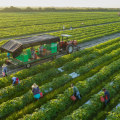
Small farms have emerged as vital components of the agricultural landscape, particularly in the realm of organic farming. These farms, often characterized by their modest size and diverse production methods, serve multiple purposes that extend beyond mere food production. They are not only a source of fresh, healthy produce but also play a crucial role in promoting sustainability, biodiversity, and community resilience. As more individuals seek to reconnect with their food sources and embrace a lifestyle centered around self-sufficiency, the appeal of small farms continues to grow.The purpose of small farms is multifaceted.
For many, they represent a pathway to achieving self-sufficiency , allowing families to cultivate their own food and reduce reliance on industrial agriculture. This shift towards local food systems fosters a deeper understanding of where food comes from and encourages sustainable practices that benefit both the environment and human health. Additionally, small farms often prioritize organic methods, which not only enhance soil health but also contribute to the overall well-being of ecosystems.Moreover, small farms can serve as educational platforms for aspiring farmers and community members alike. They provide hands-on experiences that teach essential skills in agriculture, ecology, and nutrition.
By engaging with local communities through workshops, farm tours, and volunteer opportunities, these farms help cultivate a culture of awareness around food production and environmental stewardship.As we delve deeper into the topic of finding the ideal size for a small farm, it is essential to recognize the unique benefits they offer. Understanding the role of small farms in organic farming not only highlights their importance in today’s society but also sets the stage for exploring how to optimize land use for maximum productivity and sustainability.
Defining the Ideal Size for a Small Farm
Determining the ideal size for a small farm is a multifaceted decision that hinges on various personal and environmental factors. While there is no universally accepted standard, understanding your specific goals and the type of farming you wish to pursue can significantly influence the amount of land you need.First and foremost, consider your farming objectives. Are you aiming for self-sufficiency, or do you plan to sell your produce? If your goal is to provide for your family, a smaller plot—perhaps around 5 acres—might suffice.This size allows for a diverse range of crops and livestock while remaining manageable alongside a full-time job.On the other hand, if you aspire to run a commercial operation, you may need more land. A farm of 10 to 20 acres can provide ample space for larger-scale crop production and livestock management. This size not only supports a wider variety of plants and animals but also allows for crop rotation and sustainable practices that are essential in best organic farming.Another critical factor is the farming method you choose. For instance, if you are interested in intensive gardening or permaculture, you might find that even 1 to 2 acres can yield significant results.
These methods focus on maximizing output from smaller spaces through efficient use of resources and innovative techniques.
Soil quality
and
climate conditions
also play vital roles in determining how much land is necessary. Fertile soil can support more crops in less space, while adverse weather conditions may require additional acreage to ensure a successful harvest. Therefore, it’s essential to assess the specific characteristics of your land before making a decision.Lastly, consider your experience level. New farmers may benefit from starting small to gain hands-on experience without becoming overwhelmed.
As you learn and adapt your practices, you can gradually expand your farm's size based on what works best for you.In summary, the best size for organic farming varies widely based on individual goals, farming methods, soil quality, climate conditions, and personal experience. By carefully evaluating these factors, you can determine the ideal acreage that aligns with your vision for a successful small farm.
Factors Influencing Farm Size Decisions
When determining the ideal size for a small farm, several critical factors come into play. Understanding these elements can help aspiring farmers make informed decisions that align with their goals and resources.Type of Farming
The first consideration is the type of farming you wish to pursue. Livestock and crop cultivation have different space requirements:- Livestock: Raising animals such as cows, pigs, or chickens typically requires more land for grazing, shelter, and exercise.
For instance, a single cow may need at least 1 to 2 acres for adequate grazing, while chickens can be raised in smaller spaces but still require room to roam.
- Crops: Growing vegetables or grains can often be done on less land. Intensive gardening techniques, such as raised beds or vertical farming, can maximize yield in smaller areas. However, the specific crops you choose will dictate how much space is necessary.
Climate and Soil Conditions
The local climate and soil quality are also pivotal in determining farm size. Different crops thrive in varying conditions:- Climate: Warmer climates may allow for year-round growing seasons, potentially reducing the need for larger plots of land.
Conversely, regions with harsh winters may require more land to rotate crops effectively.
- Soil Quality: Fertile soil can support more intensive farming practices, allowing you to grow a variety of crops on less acreage. Conducting soil tests can provide insights into nutrient levels and pH balance, helping you optimize your land use.
Available Resources
Your available resources—both financial and physical—will significantly influence your farm's size. Consider the following:- Financial Investment: Starting a farm requires capital for land acquisition, equipment, seeds, and livestock. A smaller farm may be more manageable financially, especially for beginners.
- Time Commitment: If you have a full-time job or other commitments, starting with a smaller plot allows you to manage your time effectively while still pursuing your farming goals.
By carefully evaluating these factors—type of farming, climate conditions, and available resources—you can find the perfect balance that suits your needs and leads to successful organic farming.
Types of Farming: Livestock vs. Crop Cultivation
When considering the best organic farming practices, understanding the differences in land requirements for livestock farming versus crop cultivation is crucial. Each type of farming has its unique space needs, which can significantly influence the overall size of your small farm.Livestock Farming Space Needs
Livestock farming typically requires more land than crop cultivation due to the need for grazing and shelter. The amount of space needed can vary widely depending on the type of animals you choose to raise.For instance:
- Cattle: Generally, one cow requires about 1.5 to 2 acres of pasture for grazing, depending on the quality of the land and available forage.
- Sheep: A sheep can thrive on approximately 0.5 to 1 acre, making them a more space-efficient option.
- Poultry: Chickens require less space, with around 100 square feet per bird recommended for free-range systems.
Crop Cultivation Land Requirements
On the other hand, crop cultivation can often be accomplished on smaller plots of land. The specific requirements depend on the types of crops you wish to grow:- Vegetables: Many vegetable crops can be grown successfully on just a few thousand square feet. Intensive gardening techniques can maximize yield in limited spaces.
- Cereals and grains: These typically require more land; for example, a small-scale farmer might need at least 1 acre to produce a meaningful harvest.
Mixed Farming Benefits
A mixed farming approach, which combines both livestock and crop cultivation, can offer numerous advantages.This method allows farmers to:
- Utilize land more efficiently by rotating crops and livestock.
- Create a sustainable ecosystem where animal waste serves as fertilizer for crops.
- Diversify income sources, reducing financial risk associated with market fluctuations.
Assessing Your Goals and Resources
Before embarking on your journey to establish a small farm, it is crucial to take a step back and assess your personal goals and available resources. This evaluation will not only help you determine the ideal size for your farm but also guide you in making informed decisions that align with your aspirations.Defining Your Farming Goals
- Personal Satisfaction: Are you looking to cultivate a small garden for personal enjoyment and self-sufficiency? If so, even a quarter-acre may suffice for growing vegetables and herbs.
- Income Generation: If your aim is to generate income through best organic farming practices, consider how much land you will need to produce enough crops or livestock to sell at local markets or through community-supported agriculture (CSA) programs.
- Diversity of Production: Think about whether you want to focus solely on crops, livestock, or a combination of both. A mixed farm may require more space to accommodate different types of animals and crops.
Evaluating Available Resources
Your resources play a significant role in determining the size of your farm.
Consider the following:
- Financial Resources: Assess your budget for purchasing land, equipment, seeds, and livestock. Starting small can help minimize initial costs while allowing you to reinvest profits into expanding your operation.
- Time Commitment: Reflect on how much time you can realistically dedicate to farming. If you have a full-time job, starting with 5 acres or less may be more manageable as you learn the ropes.
- Knowledge and Skills: Your level of experience in farming will influence how much land you can effectively manage. If you're new to farming, consider starting with a smaller plot to gain hands-on experience before scaling up.
Creating a Small Farm Checklist
- Define your primary goals for farming.
- Evaluate your financial resources and budget.
- Assess the time you can commit to farming activities.
- Identify any skills or knowledge gaps that may need addressing.
- Research local regulations regarding farming practices and land use.
- Create a plan for crop rotation and livestock management if applicable.
Micro-Farming: A Growing Trend in Organic Agriculture
Micro-farming has emerged as a significant trend within the realm of organic agriculture, particularly appealing to those with limited space and resources.This innovative approach allows individuals to cultivate food on a small scale, often in urban settings, while promoting sustainability and self-sufficiency.One of the primary benefits of micro-farming is its ability to maximize productivity in minimal space. By utilizing techniques such as vertical gardening, container planting, and aquaponics, micro-farmers can grow a diverse array of crops in areas as small as a balcony or backyard. This not only provides fresh produce but also reduces the carbon footprint associated with transporting food from rural farms to urban consumers.Moreover, micro-farming fosters a deeper connection between individuals and their food sources. As people engage in the cultivation process, they gain valuable knowledge about organic practices, soil health, and seasonal cycles.
This hands-on experience can lead to healthier eating habits and a greater appreciation for sustainable farming methods.
Implementing Micro-Farming
For those interested in starting their own micro-farm, several key factors should be considered:- Space Utilization: Assess available space and choose appropriate growing methods. Vertical gardens can be particularly effective in tight areas.
- Crop Selection: Opt for high-yield, fast-growing crops such as leafy greens, herbs, and tomatoes that thrive in smaller environments.
- Soil Health: Invest in quality soil amendments and organic fertilizers to ensure optimal growth conditions.
- Water Management: Implement efficient irrigation systems like drip irrigation or rainwater harvesting to conserve water.
By embracing this trend, individuals can cultivate their own food sustainably while contributing positively to their communities and the environment.
Tools and Equipment for Small Farms
When embarking on the journey of small-scale organic farming, having the right tools and equipment is crucial for maximizing productivity and ensuring effective land management. The selection of tools can significantly influence the efficiency of your farming practices, making it essential to invest in quality equipment that suits your specific needs.Here are some essential tools for small farms that every aspiring organic farmer should consider:- Hand Tools: Basic hand tools such as shovels, hoes, rakes, and trowels are indispensable for any small farm. These tools allow for precise work in garden beds and help maintain soil health through proper aeration and weed control.
- Garden Forks: A garden fork is excellent for turning soil and mixing in compost or organic fertilizers. It helps break up compacted soil, promoting better root growth for your crops.
- Pruning Shears: For those growing fruit trees or shrubs, a good pair of pruning shears is vital.
They help maintain plant health by removing dead or diseased branches and encouraging new growth.
- Seeders: A manual seeder can save time and ensure even spacing when planting seeds. This tool is particularly useful for small-scale operations where precision is key.
- Irrigation Systems: Efficient watering systems, such as drip irrigation or soaker hoses, are essential for conserving water while ensuring that plants receive adequate moisture. This is especially important in organic farming, where water management can impact crop yield.
- Tillers: A small tiller can help prepare the soil quickly and efficiently, making it easier to establish new planting areas. This equipment is particularly beneficial for breaking up hard soil and incorporating organic matter.
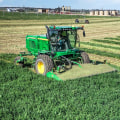
- Tractors: For those with larger plots of land, a compact tractor can be invaluable.
It can be equipped with various attachments like plows and seeders to streamline multiple farming tasks.
- Compost Bins: Setting up a composting system not only reduces waste but also provides nutrient-rich soil amendments for your crops. Compost bins come in various sizes and styles to fit your available space.
By investing wisely in these essentials, you can create a productive environment that supports sustainable practices and yields healthy crops.
Case Studies: Successful Small Farms and Their Sizes
Understanding the diverse landscape of small farms can provide valuable insights into how different sizes can lead to successful organic farming operations. Here are a few case studies that highlight the achievements of small farms across various acreages.1.Green Acres Farm - 5 Acres
Located in the heart of Oregon, Green Acres Farm is a prime example of how a small plot can yield significant results. This 5-acre farm specializes in organic vegetables and herbs, utilizing intensive planting techniques to maximize output. The owners, Sarah and Tom, have implemented a crop rotation system that not only enhances soil health but also increases biodiversity.Their commitment to sustainable practices has allowed them to supply local farmers' markets and restaurants, proving that even a small farm can thrive in the competitive organic market.
2.Willow Creek Ranch - 10 Acres
Willow Creek Ranch
, situated in Texas, spans 10 acres and focuses on raising free-range chickens and goats alongside organic vegetable production. The ranch employs permaculture principles, creating a self-sustaining ecosystem that minimizes waste and maximizes productivity. By integrating livestock with crop production, they have successfully reduced feed costs while enhancing soil fertility through natural manure application. This holistic approach has not only improved their yield but also attracted a loyal customer base interested in ethically sourced products.
3.Maple Hill Farm - 20 Acres
In Vermont, Maple Hill Farm operates on 20 acres and is renowned for its organic apple orchard and berry production.The farm utilizes integrated pest management (IPM) techniques to minimize chemical use while maintaining high-quality fruit yields. Their innovative marketing strategies, including a subscription-based fruit delivery service, have expanded their reach beyond local markets. This case illustrates how a medium-sized farm can leverage technology and community engagement to enhance profitability.
4.Sand Creek Farm - 40 Acres
Sand Creek Farm
, mentioned previously, has grown from a small amateur operation to a recognized name in sustainable agriculture on its 40 acres. By diversifying their offerings to include livestock, grains, and specialty crops, they have created multiple revenue streams that buffer against market fluctuations.
Their success story emphasizes the importance of adaptability and innovation in farming practices.These case studies demonstrate that the best organic farming practices can be successfully implemented across various farm sizes. Each farm's unique approach to land management, crop selection, and community engagement highlights the potential for success regardless of acreage.
Common Mistakes to Avoid When Choosing Farm Size
Choosing the right size for your small farm is a critical decision that can significantly impact your success and sustainability. Many new farmers make common mistakes that can lead to frustration and financial strain. Here are some pitfalls to avoid when determining your farm size:- Underestimating Land Requirements: One of the most frequent errors is not accurately assessing the amount of land needed for your intended farming activities.
For instance, if you plan to raise livestock, you must consider their grazing needs, which can vary widely depending on the species. A common guideline is to allocate at least one acre per cow, while chickens may require less space but still need room to roam.
- Overextending Resources: New farmers often underestimate the time and resources required to manage larger plots of land. It’s essential to evaluate your available time, financial resources, and physical capabilities before committing to a specific size. Starting with a smaller area allows you to learn and adapt without becoming overwhelmed.
- Ignoring Local Regulations: Each region has its own zoning laws and agricultural regulations that can affect how much land you can farm and what you can do with it.
Failing to research these regulations can lead to costly mistakes or even legal issues down the line.
- Neglecting Soil Quality: The quality of the soil on your chosen land is just as important as its size. Some areas may appear large enough but have poor soil conditions that limit productivity. Conducting soil tests before purchasing or leasing land can save you from future headaches.
- Not Considering Future Growth: Many new farmers focus solely on their current needs without considering future expansion. If you plan to grow your operation, it’s wise to choose a size that allows for scalability.
This foresight can prevent the need for relocating or acquiring additional land later.
Conclusion: Finding Your Perfect Farm Size for Organic Success
In conclusion, determining the ideal size for your small farm is a crucial step towards achieving success in best organic farming.Throughout this article, we have explored various factors that influence the optimal acreage needed to cultivate a thriving organic farm. Each aspiring farmer must consider their unique goals, resources, and personal circumstances when making this decision.One of the primary considerations is the type of farming you wish to pursue. Whether you are interested in raising livestock, growing crops, or a combination of both, understanding the land requirements for each will guide your decision. For instance, livestock farming typically necessitates more space for grazing and shelter compared to crop cultivation, which can often be managed on smaller plots.Additionally, assessing your local climate and soil conditions is vital.
Certain crops thrive in specific environments, and knowing these details can help you maximize your yield on the land you choose. Furthermore, if you are new to farming, starting with a smaller plot allows you to gain experience and gradually expand as you become more comfortable with the demands of organic agriculture.As a general guideline, beginning with at least 5 acres can provide sufficient space for a diverse range of crops and livestock while remaining manageable for those balancing full-time jobs. However, it’s essential to remember that there is no one-size-fits-all answer. Each farmer's journey is unique, and flexibility in your approach will serve you well.Ultimately, finding your perfect farm size is about aligning your aspirations with practical considerations.
By carefully evaluating your goals and resources, you can create a sustainable and productive organic farm that not only meets your needs but also contributes positively to the environment and community.