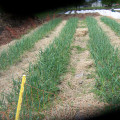
Organic farming is a holistic approach to agriculture that emphasizes sustainability, biodiversity, and the health of ecosystems. At its core, organic farming seeks to produce food in a way that is environmentally friendly and socially responsible. This method avoids the use of synthetic fertilizers, pesticides, and genetically modified organisms (GMOs), instead relying on natural processes and materials to enhance soil fertility and control pests. By understanding the principles of organic farming, we can appreciate its vital role in promoting a healthier planet and food system.The benefits of organic farming extend beyond just the absence of harmful chemicals.
One of the most significant advantages is the enhancement of soil health. Organic practices such as crop rotation, cover cropping, and composting contribute to the development of rich, fertile soils that can retain moisture and nutrients more effectively. This not only leads to better crop yields but also helps mitigate the effects of climate change by sequestering carbon in the soil. Furthermore, organic farms often support greater biodiversity, providing habitats for various species and promoting ecological balance.Organic farming practices are diverse and adaptable, allowing farmers to tailor their methods to their specific environments and crops.
Techniques such as integrated pest management (IPM) utilize natural predators to control pest populations, while agroforestry combines trees with crops to create a more resilient agricultural system. These practices not only improve farm productivity but also contribute to the overall health of surrounding ecosystems. As consumers become more aware of the impact of their food choices on the environment, the demand for organic products continues to rise, making it essential for farmers to adopt these sustainable practices.
Health Benefits of Organic Farming
Investing in organic farming is not just a trend; it is a vital step towards ensuring a healthier future for ourselves and the planet. One of the most significant health benefits of organic farming lies in its ability to reduce exposure to harmful chemicals, particularly pesticides.Conventional farming often relies on synthetic pesticides and fertilizers, which can leave residues on food products and contaminate the surrounding environment.Research has shown that these chemicals can pose serious health risks, including:
- Acute Health Issues: Short-term exposure to pesticides can lead to symptoms such as headaches, dizziness, and nausea. In severe cases, it can result in poisoning.
- Chronic Health Problems: Long-term exposure has been linked to more serious conditions, including cancer, reproductive issues, and neurological disorders.
- Impact on Children: Children are particularly vulnerable to the effects of pesticides due to their developing bodies and higher intake of food relative to their size.
A diverse ecosystem can naturally regulate pests and diseases, reducing the need for chemical interventions. This holistic approach not only benefits human health but also supports the well-being of wildlife and the environment.In addition to reducing chemical exposure, organic farming practices often lead to healthier soil. Healthy soil is rich in organic matter and microorganisms that contribute to nutrient cycling and water retention. This results in crops that are not only more resilient but also more nutritious.Ultimately, investing in organic farming is an investment in public health.
By supporting organic agriculture, we can help create a safer food system that prioritizes our well-being while also protecting the environment for future generations.
Environmental Impact of Organic Farming
Organic farming plays a pivotal role in enhancing the health of our ecosystems, making it a cornerstone of sustainable agriculture. One of the most significant environmental benefits of organic farming is its positive impact on soil health. Unlike conventional farming, which often relies on synthetic fertilizers and pesticides, organic practices focus on building soil fertility through natural amendments such as compost, cover crops, and crop rotation. This approach not only enriches the soil with essential nutrients but also improves its structure, leading to better water retention and reduced erosion.Moreover, organic farming promotes biodiversity , which is crucial for maintaining resilient ecosystems.By avoiding harmful chemicals, organic farms create a safer habitat for various organisms, including beneficial insects, birds, and microorganisms. These diverse populations contribute to natural pest control and pollination, reducing the need for chemical interventions. For instance, the presence of ladybugs and lacewings can significantly decrease aphid populations without harming the ecosystem.Water conservation is another critical aspect where organic farming shines. Organic practices often involve techniques such as mulching and reduced tillage, which help retain moisture in the soil.
This is particularly important in regions facing water scarcity. By minimizing runoff and enhancing groundwater recharge, organic farms contribute to a more sustainable water cycle.Furthermore, organic farming supports sustainable agriculture practices that align with environmental stewardship. Techniques such as agroforestry and permaculture not only enhance biodiversity but also create synergies between different agricultural systems. For example, integrating trees into crop production can provide shade, reduce wind erosion, and improve microclimates for crops.In conclusion, investing in organic farming is not just about producing food; it is about fostering a healthier planet.
By prioritizing soil health, promoting biodiversity, and implementing sustainable practices, organic farming offers a viable path toward a more resilient agricultural system that benefits both people and the environment.
Economic Advantages of Organic Farming
Investing in organic farming not only promotes environmental sustainability but also offers significant economic advantages that can benefit communities and the economy as a whole. As consumer demand for organic products continues to rise, the market for these goods is expanding rapidly, creating numerous opportunities for farmers and businesses alike.One of the most compelling economic benefits of organic farming is job creation. The organic sector has proven to be a robust source of employment, providing a variety of roles ranging from farm laborers to agricultural scientists. According to the USDA, organic farming supports approximately 1.5 million jobs across the United States, and this number is expected to grow as more farmers transition to organic practices.These jobs not only include direct employment on farms but also extend to roles in processing, distribution, and retail.Furthermore, organic farming often requires more labor-intensive practices compared to conventional farming. This means that organic farms tend to employ more workers per acre, which can significantly boost local economies. For instance, a study by the Organic Trade Association found that organic farms can create up to 30% more jobs than their conventional counterparts.The market growth for organic products is another critical factor driving economic advantages. In recent years, the organic food market has seen exponential growth, with sales reaching over $60 billion in 2022. This trend is expected to continue as consumers become increasingly aware of the health and environmental benefits associated with organic products.
As a result, businesses that invest in organic farming are likely to see higher profit margins due to premium pricing on organic goods.Moreover, the expansion of the organic market encourages innovation and entrepreneurship within the agricultural sector. New businesses focused on organic inputs, such as fertilizers and pest control solutions, are emerging to meet the needs of organic farmers. This innovation not only enhances productivity but also contributes to a more resilient agricultural economy.In conclusion, investing in organic farming presents a multitude of economic benefits that extend beyond individual farms. By creating jobs, stimulating market growth, and fostering innovation, organic agriculture plays a vital role in building a sustainable and prosperous future for our communities.
Challenges Facing Organic Farmers
Organic farming, while offering numerous benefits, is not without its challenges.Farmers who choose to adopt organic practices often encounter a variety of obstacles that can hinder their success and sustainability. Understanding these challenges is crucial for developing effective solutions that can support the growth of the organic sector.
Certification Processes
One of the most significant hurdles for organic farmers is navigating the certification process. Obtaining organic certification can be a lengthy and complex endeavor, requiring farmers to adhere to strict guidelines set forth by regulatory bodies such as the USDA. This process often involves:- Documentation: Farmers must maintain detailed records of their farming practices, inputs, and crop rotations.
- Transition Period: A mandatory transition period of three years is required before a farm can be certified organic, during which time farmers must follow organic practices without being able to market their products as organic.
- Inspections: Regular inspections by accredited certifying agents are necessary to ensure compliance with organic standards.
Market Access
Another challenge facing organic farmers is market access.While consumer demand for organic products continues to rise, many farmers struggle to connect with buyers. Factors contributing to this issue include:
- Distribution Networks: Organic farmers often lack access to established distribution channels that can help them reach larger markets.
- Competition: The presence of conventional farming practices can create competition that makes it difficult for organic products to stand out in the marketplace.
- Pricing: Organic products typically command higher prices, which can limit their accessibility to consumers and affect sales volume.
Solutions for Organic Farmers
Addressing these challenges requires a multifaceted approach. Some potential solutions include:- Education and Training: Providing resources and training programs can help farmers navigate the certification process more effectively and improve their farming practices.
- Supportive Policies: Advocating for policies that reduce barriers to entry for new organic farmers and enhance funding for organic initiatives can foster growth in the sector.
- Community Building: Encouraging collaboration among local farmers through cooperatives or farmer's markets can enhance market access and create a supportive network for sharing resources and knowledge.
Government Support and Policies for Organic Farming
The role of government in supporting organic farming is pivotal for the growth and sustainability of this sector. Through various policies and funding initiatives, governments can create an environment that fosters organic agriculture, ensuring that it thrives in the face of challenges such as climate change and food security.Government Policies on Organic Farming
One of the most significant ways that governments can support organic farming is through the establishment of clear and comprehensive policies.
These policies can include:
- Certification Standards: Governments can set rigorous standards for organic certification, ensuring that consumers can trust the integrity of organic products. This includes regular inspections and compliance checks to maintain high-quality standards.
- Research and Development: Funding for research initiatives focused on organic farming practices can lead to innovations that improve crop yields, pest management, and soil health. Government grants can support universities and research institutions in developing sustainable agricultural technologies.
- Education and Training Programs: Providing educational resources and training for farmers transitioning to organic practices is essential. Workshops, online courses, and field demonstrations can equip farmers with the knowledge they need to succeed.
Funding for Organic Farms
Financial support is crucial for farmers looking to adopt or expand organic practices.
Various funding programs exist to assist these farmers:
- Grants and Subsidies: Many governments offer grants specifically aimed at supporting organic farming initiatives. These funds can help cover the costs associated with transitioning to organic methods, such as soil amendments, pest control solutions, and certification fees.
- Low-Interest Loans: Access to low-interest loans can provide farmers with the capital needed to invest in organic farming equipment or infrastructure improvements. This financial assistance can be a game-changer for small-scale farmers.
- Insurance Programs: Specialized insurance programs designed for organic farms can help mitigate risks associated with crop failure or market fluctuations. These programs ensure that farmers have a safety net while they establish their organic operations.
Conclusion
The commitment of government entities to support organic farming through robust policies and funding initiatives is essential for building a resilient agricultural system.
By investing in organic agriculture, governments not only promote environmental sustainability but also enhance food security and economic stability for farming communities.
The Future of Organic Farming: Trends and Innovations
The landscape of organic farming is evolving rapidly, driven by a combination of technological advancements, consumer demand, and a growing awareness of environmental sustainability. As we look to the future, several key trends and innovations are emerging that promise to reshape the organic farming sector.1.Precision Agriculture
One of the most significant trends in organic farming is the adoption of precision agriculture techniques. This approach utilizes technology such as GPS, drones, and soil sensors to monitor crop health and optimize resource use. By applying inputs like water and nutrients more efficiently, farmers can enhance yields while minimizing waste.
This not only supports the principles of organic farming but also helps in conserving natural resources.
2.Regenerative Agriculture
Regenerative agriculture is gaining traction as a holistic approach that goes beyond sustainability. It focuses on restoring soil health, increasing biodiversity, and improving ecosystem resilience. Practices such as cover cropping, crop rotation, and agroforestry are integral to this movement. By investing in regenerative practices, organic farmers can improve soil fertility and sequester carbon, contributing positively to climate change mitigation.
3.Biopesticides and Biofertilizers
The development of biopesticides and biofertilizers represents a significant innovation in organic farming.
These products are derived from natural materials and offer effective alternatives to synthetic chemicals. They help control pests and diseases while enhancing soil health without compromising the integrity of organic standards. As research continues to advance in this area, we can expect a broader range of effective solutions for organic farmers.
4.Vertical Farming
Urbanization has led to a growing interest in vertical farming as a means to produce organic food in urban settings. This innovative method allows for the cultivation of crops in stacked layers, often using hydroponic or aeroponic systems.
Vertical farms can significantly reduce land use and transportation emissions while providing fresh produce to city dwellers.
5.Consumer Engagement and Transparency
As consumers become more conscious of their food choices, transparency in the supply chain is becoming increasingly important. Organic farmers are leveraging technology to provide consumers with information about their farming practices through traceability systems. Blockchain technology is one such innovation that can enhance transparency by allowing consumers to track the journey of their food from farm to table.In conclusion, the future of organic farming is bright, characterized by innovative practices that align with sustainable development goals. By embracing these trends and technologies, organic farmers can not only improve their productivity but also contribute to a healthier planet for future generations.
FAQs About Organic Farming Investment
Investing in organic farming is a topic that raises many questions among potential investors and consumers alike.Below are some frequently asked questions that can help clarify the importance and benefits of supporting organic agriculture.
What are the primary benefits of investing in organic farming?
Investing in organic farming offers numerous advantages, including:- Healthier Food Options: Organic farming practices prioritize the use of natural fertilizers and pest control methods, resulting in food that is free from harmful chemicals and pesticides.
- Environmental Sustainability: Organic farming promotes biodiversity, improves soil health, and reduces pollution, contributing to a healthier ecosystem.
- Support for Local Economies: By investing in local organic farms, you help create jobs and stimulate economic growth within your community.
- Resilience Against Climate Change: Organic practices enhance soil structure and fertility, making farms more resilient to extreme weather conditions.
How can I invest in organic agriculture?
There are several ways to invest in organic agriculture:- Direct Investment: Purchase shares in local organic farms or cooperatives that offer investment opportunities.
- Community Supported Agriculture (CSA): Join a CSA program where you pay upfront for a share of the harvest, directly supporting local farmers.
- Impact Investing Funds: Consider investing in funds that focus on sustainable agriculture and organic farming initiatives.
What role do consumers play in supporting organic farming?
Consumers play a crucial role in the success of organic farming by:- Choosing Organic Products: Opting for organic products at grocery stores and farmers' markets encourages more farmers to adopt organic practices.
- Advocating for Policy Changes: Supporting legislation that favors sustainable agriculture can lead to increased funding and resources for organic farmers.
- Educating Others: Sharing knowledge about the benefits of organic farming can inspire others to make informed choices that support local farms.
Conclusion: The Path Forward for Organic Farming Investment
As we reflect on the myriad benefits of organic farming, it becomes increasingly clear that investing in this sustainable agricultural practice is not merely an option but a necessity for our future. The discussion has highlighted several critical aspects that underscore the importance of best organic farming practices, from health benefits to environmental sustainability and economic resilience.First and foremost, organic farming significantly reduces the reliance on harmful pesticides and synthetic fertilizers, which have been linked to numerous health issues. By choosing organic products, consumers actively contribute to a healthier ecosystem and promote safer agricultural practices.This shift not only protects farmworkers and local communities but also enhances the quality of food available to consumers.Moreover, the economic implications of investing in organic farming are profound. As we have seen, organizations like Georgia Organics play a pivotal role in supporting farmers transitioning to organic methods. This support fosters job creation within the agricultural sector and stimulates local economies. By investing in organic farming, we are not just supporting individual farmers; we are nurturing entire communities.Additionally, the advancements in organic certification and regulatory frameworks, such as the USDA National Organic Program's recent updates, promise to enhance accountability and traceability within the organic supply chain.
These improvements will encourage more producers to seek organic certification, thereby expanding the workforce dedicated to sustainable agriculture.In light of climate change and extreme weather events, it is imperative that we pivot away from conventional farming methods that exacerbate environmental degradation. Organic farming offers a viable solution by promoting biodiversity, soil health, and ecological balance. By investing in these practices, we can build a more resilient food system capable of withstanding future challenges.In conclusion, the path forward for organic farming investment is clear. It requires a collective effort from consumers, policymakers, and agricultural organizations to prioritize sustainable practices that benefit both people and the planet.
By embracing best organic farming methods today, we can ensure a healthier tomorrow for generations to come.