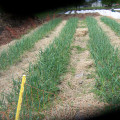
The profitability of small farms is a topic that has garnered increasing attention in recent years, particularly as consumers become more aware of the benefits of organic farming and locally sourced produce. Small farms, often defined as operations that cultivate less than 50 acres, can be incredibly lucrative when managed effectively. With the right strategies in place, these farms can not only sustain their owners but also contribute significantly to local economies and food systems.One of the most promising avenues for enhancing the profitability of small farms is through community-supported agriculture (CSA). This innovative model allows farmers to sell shares of their harvest directly to consumers, creating a mutually beneficial relationship.
Customers pay upfront for a season's worth of produce, providing farmers with essential capital to cover initial costs while ensuring that consumers receive fresh, organic products throughout the growing season. This direct-to-consumer approach not only increases profit margins by eliminating middlemen but also fosters a sense of community and connection between farmers and their customers.Moreover, the demand for best organic farming practices continues to rise as more people prioritize health and sustainability in their food choices. Small farms that adopt organic methods can tap into this growing market, often commanding higher prices for their products compared to conventionally grown alternatives. By focusing on quality over quantity and emphasizing sustainable practices, small farmers can carve out a niche that appeals to environmentally conscious consumers.However, achieving profitability in small farming is not without its challenges.
Factors such as seasonal fluctuations, market competition, and regulatory requirements can impact income stability. Therefore, it is crucial for aspiring small farmers to conduct thorough research and develop a comprehensive business plan that addresses these potential hurdles while leveraging the unique advantages that small-scale operations offer.
The Role of Organic Farming in Small Farm Profitability
Organic farming has emerged as a vital component in enhancing the profitability of small farms. As consumer awareness regarding health and environmental issues grows, the demand for organic produce continues to rise. This shift in consumer preference not only supports sustainable agriculture but also opens up new avenues for small farmers to increase their income.One of the primary benefits of organic farming is the ability to command higher prices for products.Organic produce often sells at a premium compared to conventionally grown items. According to recent market studies, organic fruits and vegetables can fetch prices that are 20% to 100% higher than their non-organic counterparts. This price differential can significantly boost the revenue of small farms, making it easier for them to cover operational costs and invest in future growth.Moreover, the profitability of organic farms is not solely dependent on price points; it also hinges on market demand. The organic food market has been experiencing exponential growth, with consumers increasingly seeking out products that are free from synthetic pesticides and fertilizers.
This trend is reflected in the statistics: the organic food market in the United States reached over $60 billion in sales in recent years, indicating a robust appetite for organic goods.In addition to higher prices and strong market demand, sustainable agriculture practices associated with organic farming can lead to reduced input costs over time. By utilizing natural fertilizers, crop rotation, and integrated pest management, small farmers can lower their dependency on expensive chemical inputs. This not only enhances soil health but also contributes to long-term sustainability, ensuring that farms remain productive for generations.Furthermore, small farms that adopt organic practices often find themselves part of a growing community of like-minded producers and consumers. Engaging in local farmers' markets or community-supported agriculture (CSA) programs allows these farmers to build relationships with their customers, fostering loyalty and repeat business.
This direct-to-consumer model not only enhances profitability but also strengthens community ties.In conclusion, embracing organic farming can significantly enhance the profitability of small farms by tapping into consumer demand for healthier, sustainably produced food. With the potential for higher price points, reduced input costs, and a supportive community network, small farmers have a unique opportunity to thrive in an increasingly competitive agricultural landscape.
Community-Supported Agriculture (CSA): A Profitable Model
Community-Supported Agriculture (CSA) has emerged as a transformative model for small farms, allowing them to thrive in an increasingly competitive agricultural landscape. By establishing a direct connection between farmers and consumers, CSAs not only enhance profitability but also foster a sense of community and shared responsibility for local food systems.At its core, a CSA operates on the principle of mutual support. Consumers purchase shares of the farm's harvest in advance, providing farmers with the necessary capital to cover upfront costs such as seeds, labor, and equipment.This model significantly reduces financial risk for farmers, as they receive payment before the growing season begins. In return, consumers receive fresh, seasonal produce directly from the farm, often at a lower price than they would pay at retail stores.One of the most compelling aspects of CSAs is their ability to create strong relationships between farmers and their customers. By engaging with consumers through farm tours, newsletters, and community events, farmers can share their stories and farming practices. This transparency builds trust and loyalty among customers, who are more likely to support a farm that they feel connected to.
As these relationships deepen, farmers can also gather valuable feedback on what products are most desired, allowing them to tailor their offerings to meet consumer preferences.Moreover, CSAs can diversify income streams for small farms. While traditional farming often relies on a single crop or product line, a CSA allows farmers to offer a variety of fruits, vegetables, and even value-added products like jams or pickles. This diversification not only mitigates risk but also attracts a broader customer base. For instance, families may be more inclined to join a CSA that offers a wide range of produce options rather than one that specializes in just one type of vegetable.In addition to enhancing profitability through direct-to-consumer sales, CSAs contribute positively to local economies.
By keeping food production local, they reduce transportation costs and carbon footprints while supporting other local businesses. This community-centric approach not only benefits farmers but also strengthens the overall economic resilience of the area.In conclusion, Community-Supported Agriculture represents a viable and profitable model for small farms looking to thrive in today's market. By prioritizing direct sales and building meaningful relationships with consumers, farmers can secure their financial future while contributing to the health and sustainability of their communities.
Key Factors Influencing Small Farm Success
Success in small farming is influenced by a variety of factors that can significantly impact profitability and sustainability. Understanding these elements is crucial for aspiring farmers looking to establish a thriving operation.Land Acquisition for Farming
One of the first steps in starting a small farm is acquiring suitable land.This process can be challenging, especially for new farmers. Here are some key considerations:
- Location: Proximity to markets can enhance profitability. Farmers should seek land that is accessible to their target customers, whether through farmers' markets, local grocery stores, or direct-to-consumer sales.
- Soil Quality: The fertility and type of soil are critical for crop success. Conducting soil tests can help determine the best crops to grow and any amendments needed to improve soil health.
- Leasing vs.
Buying:
Many new farmers opt to lease land initially to minimize upfront costs. This approach allows them to test their farming methods without the financial burden of purchasing property.
Legal Considerations for Small Farms
Navigating the legal landscape is essential for small farm operations. Farmers must be aware of various regulations that may affect their business:- Permits and Licenses: Depending on the type of farming, specific permits may be required. For instance, organic certification involves a rigorous process that ensures compliance with organic standards.
- Zoning Laws: Local zoning regulations can dictate what types of farming activities are permissible on certain parcels of land.
Understanding these laws can prevent costly legal issues down the line.
- Insurance: Obtaining appropriate insurance coverage is vital to protect against potential liabilities and losses due to unforeseen events such as natural disasters or crop failures.
Seasonal Challenges in Agriculture
Small farms often face unique challenges related to seasonality, which can affect income stability:- Crop Selection: Choosing crops that thrive in local climate conditions and have staggered harvest times can help mitigate the impact of seasonal fluctuations.
- Diversification: Implementing a diverse range of crops or livestock can provide alternative income streams during off-peak seasons, reducing reliance on a single source of revenue.
- Season Extension Techniques: Utilizing greenhouses, high tunnels, or row covers can extend the growing season, allowing farmers to produce crops earlier in spring and later into fall.
Marketing Strategies for Small Farms: Reaching Your Audience
In today’s competitive agricultural landscape, small farms must adopt innovative marketing strategies to effectively reach their target audience. With the rise of digital technology, farmers have unprecedented opportunities to connect with consumers, promote their products, and build a loyal customer base.Online Marketing for Farmers
- Create a User-Friendly Website: A well-designed website serves as the cornerstone of your online presence. It should showcase your farm’s story, products, and values. Include an easy-to-navigate layout, high-quality images, and clear contact information.
- Utilize SEO Techniques: Implementing search engine optimization (SEO) strategies can help your website rank higher in search results.
Focus on keywords related to best organic farming, local produce, and sustainable agriculture to attract relevant traffic.
- Email Marketing: Building an email list allows you to communicate directly with customers. Share updates about seasonal produce, special events, and promotions. Personalized emails can enhance customer engagement and drive sales.
Local Produce Marketing
- Participate in Farmers' Markets: Engaging with your community through local farmers' markets is an excellent way to showcase your products. It allows for direct interaction with customers and provides immediate feedback on your offerings.
- Collaborate with Local Businesses: Partnering with local restaurants, grocery stores, or co-ops can expand your reach.
Offer to supply fresh produce or create special menu items featuring your farm’s products.
- Host Farm Tours and Events: Organizing events such as farm tours or workshops can attract visitors and create a memorable experience. This not only promotes your farm but also fosters a sense of community.
Social Media for Farms
- Engage on Social Platforms: Utilize platforms like Instagram, Facebook, and Twitter to share behind-the-scenes content, product highlights, and farm updates. Engaging visuals can captivate potential customers and encourage them to visit your farm.
- Create Shareable Content: Develop content that resonates with your audience, such as recipes using your produce or tips on sustainable farming practices. Encourage followers to share this content to increase visibility.
- Leverage Influencer Partnerships: Collaborating with local influencers or food bloggers can amplify your reach.
They can introduce your farm to their followers, creating new opportunities for customer acquisition.
Financial Considerations: Budgeting and Funding Options
When embarking on the journey of running a small farm, understanding the financial landscape is crucial for long-term success. Effective small farm budgeting is not just about tracking expenses; it involves strategic planning to ensure that every dollar spent contributes to the farm's profitability.One of the first steps in financial planning is to create a detailed budget. This budget should encompass all aspects of the farm's operations, including:- Fixed Costs: These are expenses that remain constant regardless of production levels, such as land leases, insurance, and equipment depreciation.
- Variable Costs: These fluctuate based on production volume and include seeds, fertilizers, labor, and utilities.
- Contingency Funds: Setting aside a portion of your budget for unexpected expenses can safeguard against unforeseen challenges like crop failure or equipment breakdowns.
- Government Grants: Numerous federal and state programs offer grants specifically designed for agricultural initiatives.
These grants can help cover costs related to sustainable practices, equipment purchases, and research projects.
- Loans: Traditional loans from banks or credit unions can be an option for farmers looking to invest in their operations. However, it’s important to assess interest rates and repayment terms carefully.
- Crowdfunding: Platforms like Kickstarter or GoFundMe allow farmers to raise funds directly from the community by sharing their vision and goals.
Regularly reviewing budgets, exploring new funding opportunities, and staying informed about available grants can empower farmers to make informed decisions that enhance their profitability and sustainability.
Challenges Faced by Small Farmers and How to Overcome Them
Small farmers often encounter a variety of challenges that can hinder their profitability and sustainability. Understanding these obstacles is crucial for developing effective strategies to overcome them. Here are some common challenges faced by small farmers and practical solutions to address them.- Market Access: One of the primary hurdles for small farms is gaining access to markets. Unlike larger agricultural operations, small farmers may struggle to find buyers for their products.
To overcome this, farmers can consider joining local farmers' markets, establishing community-supported agriculture (CSA) programs, or collaborating with local restaurants and grocery stores to create direct sales channels.
- Financial Constraints: Limited access to capital can restrict a small farmer's ability to invest in necessary equipment, seeds, and other resources. To mitigate this issue, farmers should explore various funding options such as grants, low-interest loans, and crowdfunding platforms specifically designed for agricultural ventures. Additionally, creating a detailed business plan can help in securing financial support.
- Seasonality: The agricultural sector is inherently seasonal, which can lead to income fluctuations throughout the year. To combat this challenge, small farmers can diversify their crop production by growing a variety of fruits and vegetables that thrive in different seasons.
Implementing practices such as crop rotation and intercropping can also enhance soil health and yield.
- Pest and Disease Management: Small farms are often more vulnerable to pest infestations and crop diseases due to their scale and diversity of crops. Adopting integrated pest management (IPM) strategies can help minimize chemical use while effectively controlling pests. This includes using beneficial insects, crop rotation, and resistant crop varieties.
- Climate Change: The impacts of climate change pose significant risks to small farms, including unpredictable weather patterns and extreme conditions. Farmers can enhance their resilience by implementing sustainable farming practices such as water conservation techniques, soil health improvement through cover cropping, and agroforestry systems that provide shade and reduce erosion.
Embracing sustainable farming practices not only helps in overcoming immediate obstacles but also contributes to long-term viability and environmental stewardship.
Success Stories: Inspiring Examples of Profitable Small Farms
Across the United States, numerous small farms have demonstrated that profitability is not just a dream but an achievable reality. These success stories highlight innovative practices and unique business models that aspiring farmers can learn from.1.Blue Hill Farm, Massachusetts
Blue Hill Farm is a prime example of how a small farm can thrive by focusing on best organic farming practices. This farm has successfully integrated a farm-to-table restaurant model, allowing them to sell their produce directly to consumers while also providing a unique dining experience. By cultivating a diverse range of organic vegetables and herbs, they have built a loyal customer base that values fresh, local food.
2.Green City Growers, Massachusetts
Green City Growers specializes in urban agriculture, transforming underutilized spaces into productive gardens.
Their innovative approach includes offering workshops and consulting services to help others start their own urban farms. This not only generates additional income but also fosters community engagement and education about sustainable practices.
3.The Fruit Company, Oregon
This small farm has carved out a niche in the market by focusing on high-quality organic fruit production. They utilize advanced techniques such as integrated pest management and organic soil amendments to enhance crop yields while maintaining sustainability. Their commitment to quality has allowed them to establish partnerships with local grocery stores and restaurants, ensuring consistent sales throughout the year.
4.Sweetwater Farm, New York
Sweetwater Farm operates under the CSA model, providing subscribers with seasonal produce boxes.
By engaging directly with their community and offering educational programs about organic farming, they have created a strong brand presence. Their success illustrates how building relationships with customers can lead to increased loyalty and profitability.
5.Terra Firma Farm, California
Terra Firma Farm has embraced technology to enhance their operations. They use data analytics to optimize planting schedules and crop rotations, which has significantly improved their efficiency and yield. Additionally, they offer online ordering for their CSA shares, making it easier for customers to access fresh produce.These examples showcase the potential for small farms to thrive through innovation and community engagement.
By adopting similar strategies, aspiring farmers can find their path to profitability in the competitive agricultural landscape.
Conclusion: The Future of Small Farms in Organic Agriculture
As we reflect on the profitability of small farms within the realm of organic agriculture, it becomes clear that these enterprises hold significant potential for both financial success and community impact. Throughout this discussion, we have explored various aspects that contribute to the viability of small farms, particularly those that adopt organic practices.One of the most compelling arguments for small farms is their ability to connect directly with consumers through models like Community Supported Agriculture (CSA). This approach not only enhances profitability by eliminating intermediaries but also fosters a sense of community and trust between farmers and consumers. By offering fresh, locally grown produce, small farms can tap into the growing demand for organic products, which continues to rise as more people prioritize health and sustainability.Moreover, the advantages of organic farming extend beyond just financial gains.Small farms often benefit from lower overhead costs and the ability to diversify their crops, which can mitigate risks associated with market fluctuations and seasonal changes. By cultivating a variety of organic products, farmers can appeal to a broader customer base and ensure a more stable income throughout the year.However, it is essential to acknowledge the challenges that small farmers face. From navigating regulatory requirements to managing seasonal production cycles, the journey is not without its hurdles. Yet, with proper planning and access to resources—such as government grants and local agricultural programs—these challenges can be effectively managed.In conclusion, the future of small farms in organic agriculture looks promising.
As consumer preferences shift towards sustainable practices and locally sourced food, small farmers are uniquely positioned to thrive in this evolving landscape. For those considering entering this rewarding field, now is an opportune time to embrace the possibilities that lie ahead. With dedication, innovation, and a commitment to organic principles, small farms can not only achieve profitability but also contribute positively to their communities and the environment.