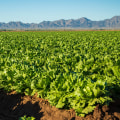
Owning a 40-acre farm presents a unique opportunity for individuals looking to maximize their profit potential through organic farming. However, the journey to profitability is not straightforward and requires a deep understanding of various factors that influence the financial success of such an endeavor. From the type of crops grown to the methods of cultivation, each decision can significantly impact the overall yield and revenue generated from the farm, and understanding how these options help the market can be crucial.One of the first considerations in assessing profit potential is recognizing the inherent advantages of organic farming. This method not only caters to a growing market demand for organic produce but also often allows for premium pricing. . However, the journey to profitability is not straightforward and requires a deep understanding of various factors that influence the financial success of such an endeavor. From the type of crops grown to the methods of cultivation, each decision can significantly impact the overall yield and revenue generated from the farm, and understanding how these options help the market can be crucial.One of the first considerations in assessing profit potential is recognizing the inherent advantages of organic farming. This method not only caters to a growing market demand for organic produce but also often allows for premium pricing.
Consumers are increasingly willing to pay more for products that are sustainably grown and free from synthetic chemicals. Therefore, understanding how to effectively cultivate organic crops can lead to higher profit margins compared to conventional farming practices.Moreover, the location of the farm plays a critical role in determining its profitability. A 40-acre farm situated near urban centers may have better access to markets and consumers, allowing for quicker sales and reduced transportation costs. Conversely, rural locations might offer lower land prices but could limit market access.
Thus, evaluating local demand for organic products and establishing connections with nearby markets can be pivotal in maximizing profits.In addition to location and farming methods, operational costs must be carefully managed. Organic farming often requires different inputs and practices, which can lead to higher initial expenses. However, with strategic planning and efficient resource management, these costs can be offset by the premium prices that organic products command. Ultimately, understanding these dynamics is essential for anyone looking to unlock the full profit potential of a 40-acre farm.
The Importance of Location in Organic Farming
The location of a farm plays a pivotal role in determining its overall profitability, especially in the realm of organic farming.Several factors come into play when assessing how location impacts a farm's success, including land prices, climate conditions, and access to markets.
Land Prices
One of the first considerations for any aspiring farmer is the cost of land. In general, land prices can vary significantly based on geographic location. For instance, farmland in rural areas tends to be more affordable compared to land situated near urban centers. However, while lower land prices may seem appealing, they often come with trade-offs such as limited access to essential resources and markets.In contrast, purchasing land in a developed area may require a larger initial investment but can provide substantial long-term benefits.
Proximity to urban markets can facilitate easier distribution of organic produce, allowing farmers to capitalize on higher demand and potentially better prices for their products.
Climate Suitability
The climate of a specific region is another critical factor that influences the types of crops that can be successfully grown. Organic farming often relies on specific environmental conditions to thrive. For example, regions with moderate temperatures and adequate rainfall are typically more suitable for growing a variety of organic fruits and vegetables.Farmers should conduct thorough research on local climate patterns and soil types before committing to a location. Understanding these elements can help in selecting crops that are not only viable but also have a higher market demand.
For instance, a 40-acre farm located in California's Central Valley may be ideal for growing organic tomatoes and avocados due to its warm climate and fertile soil.
Access to Markets
Access to markets is perhaps one of the most crucial aspects of location that affects profitability. A farm situated near major transportation routes or urban centers can benefit from reduced shipping costs and quicker access to consumers. This is particularly important for organic farmers who often sell their products directly at farmers' markets or through community-supported agriculture (CSA) programs.Additionally, being close to local grocery stores or restaurants that prioritize organic produce can create consistent demand for products. Farmers should evaluate potential market opportunities in their chosen area and consider how easily they can reach these markets.In summary, the importance of location in organic farming cannot be overstated.
By carefully considering land prices, climate suitability, and market access, farmers can make informed decisions that enhance their profitability and sustainability in the competitive agricultural landscape.
Choosing the Right Type of Organic Farming
When considering the best approach to maximize profitability on a 40-acre farm, it is essential to understand the various types of organic farming available. Each type has its unique characteristics, benefits, and challenges that can significantly influence profit margins.Crop Farming
Organic crop farming focuses on growing fruits, vegetables, grains, and other plants without synthetic fertilizers or pesticides. This method not only promotes environmental sustainability but also caters to a growing market demand for organic produce. The profitability of organic crop farming can be influenced by several factors:- Market Demand: High-demand crops such as organic berries, heirloom tomatoes, and leafy greens often yield better prices compared to conventional crops.
- Yield Variability: Organic farming practices may result in lower yields initially as the soil health improves.
However, over time, well-managed organic farms can achieve competitive yields.
- Diversity of Crops: Growing a variety of crops can help mitigate risks associated with market fluctuations and pest outbreaks. Crop rotation and intercropping can enhance soil fertility and reduce disease pressure.
Livestock Farming
Organic livestock farming involves raising animals for meat, dairy, or eggs under organic standards. This type of farming can be highly profitable if managed correctly. Key considerations include:Organic livestock farming involves raising animals for meat, dairy, or eggs under organic standards. This type of farming can be highly profitable if managed correctly. Key considerations include:- Animal Welfare: Organic livestock must have access to outdoor spaces and be fed organic feed.
This focus on animal welfare can attract consumers willing to pay a premium for ethically raised products.
- Diverse Product Offerings: By raising multiple types of livestock—such as chickens for eggs and cattle for beef—farmers can diversify their income streams and reduce reliance on a single product.
- Cost of Feed: Organic feed can be more expensive than conventional feed, impacting overall profitability. However, integrating pasture-based systems can reduce feed costs while improving animal health.
Cost Analysis: Understanding Operational Expenses
Understanding the operational costs associated with running a 40-acre farm is crucial for maximizing profitability. These costs can vary significantly based on the type of farming, location, and specific practices employed.Below, we break down the primary categories of expenses that farmers should consider when budgeting for their operations.
- Land Costs: This includes mortgage payments or lease agreements. Depending on the region, land prices can fluctuate dramatically. It’s essential to factor in property taxes as well, which can add a significant burden to your annual budget.
- Equipment and Machinery: Investing in the right equipment is vital for efficient farming. This category encompasses tractors, plows, seeders, and irrigation systems.
Additionally, maintenance and repair costs should be anticipated to keep machinery in optimal working condition.
- Seeds and Inputs: The cost of seeds varies based on the crop type and whether you choose organic or conventional options. Other inputs such as fertilizers, pesticides, and herbicides also contribute to this category. Organic farming may have higher input costs initially but can lead to better long-term profitability.
- Labor Costs: Labor is often one of the largest expenses on a farm. This includes wages for full-time employees, seasonal workers, and any contracted services.
It’s important to consider not only salaries but also benefits and insurance when calculating labor costs.
- Utilities: Water, electricity, and fuel are essential for farm operations. These costs can vary based on usage and local rates. Implementing energy-efficient practices can help reduce these expenses over time.
- Insurance: Protecting your investment through insurance is critical. This includes crop insurance, liability insurance, and property insurance.
The cost will depend on the coverage level and specific risks associated with your farming activities.
- Marketing and Distribution: Once your products are ready for sale, you’ll need to consider how to get them to market. This includes packaging, transportation, and any fees associated with selling at farmers' markets or through distributors.
By carefully analyzing these costs and implementing effective budgeting strategies, farmers can enhance their operational efficiency and ultimately increase their profit potential.
Diversification: A Key Strategy for Increasing Profitability
Diversification is a fundamental strategy for farmers looking to enhance their profitability and ensure long-term sustainability. By cultivating a variety of crops or raising different types of livestock, farmers can create multiple income streams that help mitigate risks associated with market fluctuations, climate changes, and pest infestations.Understanding Diversification Strategies
- Crop Diversification: Growing a mix of crops can protect farmers from the volatility of market prices. For instance, if one crop fails due to adverse weather conditions, other crops may still thrive, providing a safety net.
- Livestock Diversification: Raising different types of animals can also be beneficial. For example, a farmer who raises both cattle and poultry can sell meat and eggs, thus broadening their market reach and reducing dependency on a single source of income.
- Agroforestry: Integrating trees with crops or livestock can enhance biodiversity and improve soil health.
This method not only provides additional products like timber or fruit but also contributes to environmental sustainability.
Creating Multiple Income Streams
By diversifying their operations, farmers can tap into various markets. For example, a farm that produces organic vegetables might also consider adding value through processing—such as making sauces or pickles—thereby increasing profit margins. Additionally, offering agritourism experiences, such as farm tours or workshops, can attract visitors and generate extra revenue.
Risk Management in Farming
Diversification serves as an effective risk management tool. By spreading investments across different crops and livestock types, farmers can reduce the impact of any single failure.
This approach not only stabilizes income but also allows farmers to adapt to changing market demands more swiftly. For instance, if consumer preferences shift towards organic produce, a diversified farm can pivot more easily than a specialized operation.In conclusion, embracing diversification is not merely a strategy for increasing profitability; it is essential for building resilience in farming operations. By implementing various diversification strategies, farmers can secure their livelihoods against uncertainties while maximizing their profit potential on a 40-acre farm.
Leveraging Technology for Enhanced Farming Efficiency
In the ever-evolving landscape of agriculture, technology plays a pivotal role in enhancing the efficiency and productivity of farming operations. For farmers looking to maximize profit potential on a 40-acre farm, embracing modern technological advancements is not just an option; it’s a necessity.One of the most significant innovations in recent years is precision agriculture.This approach utilizes data analytics, GPS technology, and IoT (Internet of Things) devices to optimize farming practices. By employing precision agriculture techniques, farmers can:
- Monitor Crop Health: Sensors placed throughout the fields can provide real-time data on soil moisture, nutrient levels, and crop health. This information allows farmers to make informed decisions about irrigation and fertilization, ensuring that resources are used efficiently.
- Optimize Resource Use: With precise data on when and where to apply water or fertilizers, farmers can reduce waste and lower costs. This not only enhances profitability but also aligns with sustainable practices in organic farming.
- Increase Yields: By understanding the specific needs of different areas within a field, farmers can tailor their management practices to boost crop yields significantly.
The initial investment in precision agriculture tools can be substantial. Farmers must weigh these costs against potential gains in productivity and efficiency. For instance:
- Equipment Costs: High-tech machinery equipped with GPS and sensors can be expensive. Farmers should evaluate whether leasing equipment or investing in used technology could be more financially viable.
- Training and Maintenance: Implementing new technologies often requires training for farm staff.
Additionally, ongoing maintenance of sophisticated equipment can add to operational costs.
Marketing Your Organic Products Effectively
To successfully market your organic products, it is essential to adopt a multifaceted approach that resonates with today’s health-conscious consumers. Understanding the latest consumer trends in organic products can significantly enhance your marketing strategies and ultimately boost sales.1.Build a Strong Brand Identity
- Define Your Unique Selling Proposition (USP): Clearly articulate what sets your organic farm apart from others.
Whether it’s your sustainable farming practices, unique crop varieties, or community involvement, make sure your USP is front and center in all marketing materials.
- Create Engaging Packaging: Invest in eco-friendly packaging that reflects your brand values. Attractive and informative packaging can catch the eye of potential customers and communicate the quality of your products.
2.Leverage Digital Marketing
- Utilize Social Media: Platforms like Instagram and Facebook are excellent for showcasing your farm’s story, sharing behind-the-scenes content, and promoting new products. Engaging visuals of your produce can attract followers and convert them into customers.
- Develop a User-Friendly Website: Your website should serve as a hub for information about your farm, product offerings, and purchasing options. Include an online store if possible, allowing customers to buy directly from you.
3.Engage with Local Communities
- Participate in Farmers' Markets: Selling at local farmers' markets not only provides direct access to consumers but also helps build relationships within the community.
Customers appreciate knowing where their food comes from and often prefer to buy directly from farmers.
- Host Farm Tours and Workshops: Invite consumers to experience your farm firsthand. Educational workshops on organic farming practices can foster loyalty and encourage word-of-mouth marketing.
4.Understand Consumer Trends
The demand for organic products continues to rise as consumers become more health-conscious and environmentally aware. According to recent studies, many consumers are willing to pay a premium for organic produce due to perceived health benefits and sustainability concerns. Stay informed about these trends by conducting market research and adjusting your offerings accordingly.By implementing these strategies, you can effectively market your organic products, connect with consumers, and maximize the profit potential of your 40-acre farm.
Sustainability Practices in Organic Farming
Implementing sustainable farming practices is essential for maximizing the profitability of an organic farm while also ensuring the health of the environment.These practices not only enhance soil fertility and biodiversity but also contribute to long-term economic viability.One of the core principles of sustainable organic farming is crop rotation. This method involves alternating the types of crops grown in a particular area across seasons. By rotating crops, farmers can prevent soil depletion, reduce pest and disease cycles, and improve soil structure. For instance, following a nitrogen-fixing crop like legumes with a nutrient-demanding crop such as corn can enhance soil fertility naturally.Another vital practice is the use of cover crops.
These are plants grown primarily to manage soil erosion, enhance soil health, and suppress weeds. Cover crops like clover or rye can be planted during off-seasons to protect the soil from erosion and improve its organic matter content. This not only benefits the environment but also reduces the need for synthetic fertilizers, thereby lowering operational costs.
Integrated Pest Management (IPM)
is another sustainable approach that combines biological control, habitat manipulation, and resistant crop varieties to manage pests effectively. By minimizing chemical pesticide use, farmers can protect beneficial insects and maintain ecological balance, which is crucial for long-term sustainability.The environmental impact of these sustainable practices is profound.
By reducing reliance on synthetic inputs, organic farmers contribute to cleaner water systems and healthier ecosystems. This commitment to environmental stewardship can also enhance a farm's reputation, attracting consumers who prioritize sustainability in their purchasing decisions.Moreover, obtaining organic certification offers numerous benefits that extend beyond market access. Certified organic products often command higher prices, providing farmers with better profit margins. Additionally, consumers are increasingly willing to pay a premium for products that are produced sustainably, which can lead to increased sales and customer loyalty.In conclusion, adopting sustainable practices in organic farming not only supports environmental health but also enhances profitability.
By focusing on methods such as crop rotation, cover cropping, and integrated pest management, farmers can create a resilient farming system that meets both economic and ecological goals.
Case Studies: Successful 40 Acre Organic Farms
Exploring the journeys of successful organic farms can provide invaluable insights for aspiring farmers. Here are a few case studies of 40-acre organic farms that have thrived, showcasing their unique approaches and the lessons learned along the way.Green Valley Organics
Located in the heart of California, Green Valley Organics has transformed its 40 acres into a flourishing hub for organic produce. The farm specializes in a diverse range of fruits and vegetables, including heirloom tomatoes, strawberries, and leafy greens. By implementing crop rotation and companion planting , they have significantly improved soil health and reduced pest issues.One key to their success has been their commitment to community engagement.They host regular farm tours and workshops, educating visitors about organic farming practices. This not only boosts their local reputation but also creates additional revenue streams through agritourism.
Sunny Acres Farm
Sunny Acres Farm, situated in Oregon, focuses on organic livestock alongside crop production. They raise grass-fed cattle and free-range chickens, utilizing rotational grazing techniques that enhance pasture quality while minimizing feed costs. This method has proven beneficial for both animal welfare and farm profitability.The farm's success is attributed to its strong online presence.By leveraging social media platforms and an engaging website, they have built a loyal customer base that eagerly anticipates their seasonal offerings. Their subscription-based model for meat and eggs ensures consistent income throughout the year.
Lessons Learned
- Diversification: Both farms illustrate the importance of diversifying crops and livestock to mitigate risks associated with market fluctuations.
- Community Engagement: Building relationships with local consumers can enhance brand loyalty and create additional revenue opportunities.
- Sustainable Practices: Implementing sustainable farming techniques not only benefits the environment but also improves long-term profitability.
<strong>Conclusion</strong>: Key Takeaways for Maximizing Profit on Your Farm
In conclusion, maximizing profit potential on a 40-acre farm requires a multifaceted approach that encompasses various strategies and considerations. Throughout this article, we have explored several key factors that can significantly influence the profitability of your farming venture.1.Location Matters
: The geographical location of your farm plays a crucial role in determining its success. Areas with access to markets, resources, and favorable climates can enhance your ability to grow high-demand organic crops.
Understanding local market trends and consumer preferences is essential for making informed decisions about what to plant.
2.Choosing the Right Type of Farming
: Whether you opt for crop farming, livestock farming, or a combination of both, each type has its unique set of costs and profit potentials. Focusing on organic farming can yield higher returns due to the increasing demand for organic produce. Selecting crops that thrive in your region and have a strong market presence can lead to greater financial success.
3.Cost Management
: Keeping operational costs in check is vital for maintaining profitability. This includes budgeting for land, equipment, seeds, and labor.
By carefully analyzing these expenses and seeking ways to reduce them—such as investing in efficient technology or sustainable practices—you can improve your bottom line.
4.Diversification is Key
: Implementing a diversified farming strategy can mitigate risks associated with market fluctuations and crop failures. By growing multiple types of crops or raising different livestock, you create multiple income streams that can stabilize your earnings throughout the year.
5.Embrace Technology
: Leveraging modern agricultural technologies can enhance productivity and efficiency on your farm. From precision agriculture tools that optimize planting and harvesting to data analytics that inform decision-making, technology can be a game-changer in maximizing profit potential.
6.Continuous Learning and Adaptation
: The agricultural landscape is constantly evolving, influenced by market demands, climate change, and technological advancements. Staying informed about industry trends and being willing to adapt your strategies will position you for long-term success.By integrating these strategies into your farming practices, you can unlock the full profit potential of your 40-acre farm.
Remember that success in agriculture is not just about hard work; it’s about smart planning, informed decision-making, and a commitment to continuous improvement in your organic farming endeavors.