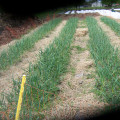
Organic farming is a holistic approach to agriculture that emphasizes the use of natural processes and materials to cultivate crops and raise livestock. At its core, organic farming seeks to create a sustainable ecosystem that promotes biodiversity, enhances soil health, and minimizes environmental impact. This method of farming avoids synthetic fertilizers, pesticides, and genetically modified organisms (GMOs), instead relying on practices such as crop rotation, composting, and biological pest control. By adhering to these principles, organic farmers not only produce food that is free from harmful chemicals but also contribute to the overall health of the planet.The benefits of organic farming extend beyond just environmental considerations.
Consumers are increasingly aware of the health implications associated with their food choices, leading to a surge in demand for organic products. Studies have shown that organic produce often contains higher levels of certain nutrients and antioxidants compared to conventionally grown counterparts. Additionally, many consumers perceive organic products as being safer and more nutritious, which has driven them to seek out these options in grocery stores and farmers' markets alike. This growing consumer base presents a lucrative opportunity for farmers willing to transition to organic methods.Implementing organic farming practices can also lead to improved soil fertility and crop resilience.
Techniques such as cover cropping and reduced tillage help maintain soil structure and prevent erosion, while natural pest management strategies reduce the reliance on chemical interventions. As a result, organic farms can often achieve higher yields over time, despite the initial challenges associated with transitioning from conventional methods. Furthermore, by fostering a diverse ecosystem on their farms, organic farmers can enhance pollination and pest control naturally, leading to healthier crops.In summary, organic farming represents not just a method of food production but a commitment to sustainability and health. As consumer demand for organic products continues to rise, understanding the principles and practices of organic farming becomes essential for those looking to enter this profitable sector.
By embracing these practices, farmers can not only improve their bottom line but also contribute positively to the environment and public health.
The Financial Benefits of Organic Farming
Organic farming presents a unique opportunity for farmers to enhance their financial standing through various avenues. One of the most significant advantages is the ability to command higher prices for organic products. Consumers are increasingly willing to pay a premium for organic goods, driven by a growing awareness of health benefits and environmental sustainability. This willingness to invest in organic products translates into higher profit margins for farmers who adopt organic practices.According to recent studies, organic produce can sell for 20% to 100% more than its conventional counterparts.For instance, organic fruits and vegetables often fetch significantly higher prices at farmers' markets and grocery stores. This price differential can substantially boost the overall income of organic farmers, making it a lucrative venture.In addition to higher market prices, organic farming can lead to reduced production costs over time. While the initial transition to organic methods may require investment in new practices and certifications, many organic farmers find that they can lower their long-term expenses. By utilizing natural pest control methods, crop rotation, and composting, they can minimize reliance on expensive synthetic fertilizers and pesticides.Moreover, organic farming promotes soil health and biodiversity, which can enhance crop yields in the long run.
Healthier soil leads to more robust plants that are better equipped to withstand pests and diseases, reducing the need for costly interventions. This sustainable approach not only cuts costs but also contributes to a more resilient farming operation.Another financial benefit of organic farming is the access to niche markets. As consumer demand for organic products continues to rise, farmers have the opportunity to tap into specialized markets such as local restaurants, health food stores, and community-supported agriculture (CSA) programs. These avenues often provide direct sales opportunities that can further increase profitability.In summary, the financial benefits of organic farming are multifaceted.
From higher market prices and reduced production costs to access to niche markets, organic farming offers a compelling case for those looking to enhance their income while contributing positively to the environment. As the trend towards sustainable agriculture continues to grow, embracing organic practices may not only be beneficial for individual farmers but also for the broader agricultural landscape.
Market Trends and Consumer Demand for Organic Products
The organic product market has experienced remarkable growth in recent years, driven by a shift in consumer preferences towards healthier and more sustainable food options. This trend is not just a fleeting phase; it reflects a fundamental change in how consumers view food and its impact on their health and the environment.According to recent reports, the organic food market in the United States alone reached approximately $62 billion in 2020, marking a significant increase from previous years. This growth trajectory is expected to continue, with projections indicating that the market could surpass $100 billion by 2025. Such figures underscore the increasing consumer demand for organic products, which are perceived as healthier alternatives to conventionally produced foods.Several factors contribute to this rising demand:- Health Consciousness: More consumers are becoming aware of the potential health risks associated with synthetic pesticides, fertilizers, and genetically modified organisms (GMOs).
As a result, they are opting for organic products that are free from these chemicals.
- Sustainability Concerns: Environmental awareness is at an all-time high. Consumers are increasingly concerned about the ecological impact of conventional farming practices, leading them to support organic farming methods that promote biodiversity and soil health.
- Transparency and Trust: The demand for transparency in food sourcing has grown. Consumers want to know where their food comes from and how it is produced. Organic certification provides assurance that products meet specific standards, fostering trust between consumers and producers.
While traditionally dominated by affluent households, recent studies indicate that younger generations, particularly millennials and Gen Z, are driving the demand for organic products. These consumers prioritize quality over quantity and are willing to pay a premium for foods that align with their values.Retailers are also adapting to these trends by expanding their organic product offerings. Grocery chains and online platforms are increasingly dedicating shelf space to organic items, making them more accessible to consumers. This shift not only benefits consumers but also presents lucrative opportunities for farmers who can meet this growing demand.In conclusion, understanding these market trends and consumer preferences is essential for farmers looking to maximize profitability through organic farming.
By aligning their practices with consumer demands for health, sustainability, and transparency, farmers can position themselves favorably in this expanding market.
Choosing the Right Crops for Organic Farming Profitability
When it comes to maximizing profitability in organic farming, selecting the right crops is crucial. The best organic farming practices not only focus on sustainable methods but also on choosing high-value crops that can yield significant returns. Below, we explore some of the most profitable organic crops and their market potential.1.Specialty Greens
Specialty greens, such as arugula, baby kale, and microgreens, have gained immense popularity among health-conscious consumers and gourmet chefs. These crops are quick to grow and can be harvested multiple times within a single growing season, making them a lucrative option for organic farmers.2.Organic Berries
Berries like strawberries, blueberries, and raspberries are not only delicious but also command premium prices in the market.Their high antioxidant content and health benefits make them a favorite among consumers. Organic berries can be sold fresh or processed into jams and jellies, further increasing their profitability.
3.Heirloom Tomatoes
Heirloom tomatoes are prized for their unique flavors and vibrant colors. They often fetch higher prices than conventional varieties due to their perceived quality and taste. Growing heirloom tomatoes organically can attract a niche market willing to pay more for these specialty products.4.Herbs and Spices
Herbs such as basil, cilantro, and mint are in high demand for culinary uses.Additionally, spices like turmeric and ginger are gaining traction due to their health benefits. These crops require relatively small growing spaces and can be sold fresh or dried, providing flexibility in marketing.
5.Mushrooms
Mushrooms, particularly varieties like shiitake and oyster mushrooms, are increasingly popular in both restaurants and home kitchens. They can be cultivated indoors or outdoors, allowing for year-round production. The demand for organic mushrooms continues to rise as consumers seek out unique flavors and health benefits.6.Organic Garlic
Organic garlic is another high-value crop that can yield substantial profits.It has a long shelf life and is sought after by both home cooks and professional chefs. The growing interest in culinary arts has led to an increased demand for specialty garlic varieties, making it a smart choice for organic farmers.
Market Considerations
When selecting crops for organic farming, it’s essential to consider market trends and consumer preferences. Engaging with local farmers' markets, restaurants, and grocery stores can provide insights into what products are in demand. Additionally, understanding seasonal trends can help farmers plan their planting schedules effectively.In conclusion, choosing the right crops is vital for achieving profitability in organic farming.By focusing on high-value crops that align with market demands, farmers can enhance their income while contributing to sustainable agricultural practices.
Sustainable Practices in Organic Farming
In the realm of organic farming , sustainable practices are not just beneficial; they are essential for maintaining the health of the ecosystem while ensuring farm profitability. By adopting eco-friendly farming methods, farmers can enhance soil fertility, reduce dependency on synthetic inputs, and promote biodiversity. , sustainable practices are not just beneficial; they are essential for maintaining the health of the ecosystem while ensuring farm profitability. By adopting eco-friendly farming methods, farmers can enhance soil fertility, reduce dependency on synthetic inputs, and promote biodiversity.Crop Rotation
One of the cornerstone practices in sustainable agriculture is crop rotation. This method involves alternating the types of crops grown in a particular area across seasons. By rotating crops, farmers can:- Improve Soil Health: Different crops have varying nutrient requirements and pest profiles.
Rotating them helps replenish soil nutrients and disrupt pest cycles.
- Reduce Soil Erosion: Diverse root systems from different plants help hold soil in place, minimizing erosion caused by wind and water.
- Enhance Biodiversity: Crop rotation encourages a variety of plants, which can attract beneficial insects and pollinators.
Composting
Another vital practice is composting , which transforms organic waste into nutrient-rich fertilizer. This process not only reduces waste but also:- Improves Soil Structure: Compost enhances soil aeration and water retention, leading to healthier plant growth.
- Reduces Chemical Inputs: By using compost, farmers can decrease their reliance on synthetic fertilizers, which can be harmful to the environment.
- Supports Microbial Life: Compost introduces beneficial microorganisms into the soil, promoting a vibrant ecosystem that supports plant health.
Integrated Pest Management (IPM)
Integrated Pest Management (IPM)
is a holistic approach to pest control that combines various strategies to minimize pest damage while reducing chemical use. Key components of IPM include:
- Cultural Controls: Practices such as crop rotation and intercropping can deter pests naturally.
- Biological Controls: Introducing natural predators or parasites can help keep pest populations in check without harming the environment.
- Pest Monitoring: Regularly assessing pest populations allows farmers to make informed decisions about when and how to intervene.
Challenges Faced by Organic Farmers
While organic farming presents numerous opportunities for profitability, it is not without its challenges.Farmers who choose to adopt organic practices often face a unique set of obstacles that can impact their success and sustainability. Understanding these challenges is crucial for anyone considering entering the organic farming sector.
Pest Management
One of the most significant challenges in organic farming is effective pest management. Unlike conventional farming, which can rely on synthetic pesticides, organic farmers must utilize natural methods to control pests. This can include:- Crop rotation: Changing the types of crops grown in a particular area to disrupt pest life cycles.
- Beneficial insects: Introducing natural predators, such as ladybugs or lacewings, to keep pest populations in check.
- Organic pesticides: Using naturally derived substances that are less harmful to the environment.
Certification Processes
The process of obtaining organic certification can also pose a significant hurdle for farmers.To be recognized as an organic producer, farmers must adhere to strict guidelines set by certifying bodies. This includes:
- Record-keeping: Maintaining detailed records of all farming practices, inputs, and sales.
- Transition periods: Following specific practices for a designated period (usually three years) before being eligible for certification.
- Compliance costs: Covering expenses related to inspections and paperwork can be burdensome, especially for small-scale farmers.
Market Competition
The growing popularity of organic products has led to increased competition among organic farmers. As more producers enter the market, it becomes essential for existing farmers to differentiate their products. This can involve:- Niche marketing: Focusing on unique crops or value-added products that appeal to specific consumer segments.
- Branding: Developing a strong brand identity that resonates with health-conscious consumers.
By addressing issues such as pest management, certification processes, and market competition, organic farmers can enhance their chances of success in this rewarding yet demanding field.
Marketing Strategies for Organic Products
In the competitive landscape of organic farming, effective marketing strategies are essential for farmers looking to maximize their reach and profitability. With the growing consumer interest in organic products, it is crucial to adopt a multifaceted approach to marketing that resonates with health-conscious buyers.Branding
plays a pivotal role in distinguishing your organic products from conventional offerings. A strong brand identity not only communicates the values of your farm but also builds trust with consumers. Consider developing a unique logo, packaging, and messaging that reflect your commitment to sustainability and quality.
Highlighting certifications, such as USDA Organic, can further enhance credibility.Direct-to-consumer sales channels are increasingly popular among organic farmers. By selling directly at farmers' markets, through community-supported agriculture (CSA) programs, or via farm stands, you can establish a personal connection with your customers. This approach allows you to share your story, educate consumers about the benefits of organic farming, and foster loyalty.Additionally, leveraging online platforms can significantly expand your market reach. Creating a user-friendly website that showcases your products, farm practices, and values is essential.
Utilize social media platforms like Instagram and Facebook to engage with potential customers by sharing behind-the-scenes content, recipes, and tips for using your organic produce. Regularly updating your audience with seasonal offerings and promotions can keep them engaged and encourage repeat purchases.Another effective strategy is to collaborate with local restaurants and grocery stores that prioritize organic products. Establishing partnerships can help you gain access to new customer bases while also supporting local businesses. Consider offering samples or hosting tasting events to introduce your products to potential buyers.Finally, consider implementing email marketing campaigns to keep your customers informed about new products, seasonal specials, and farm events.
Building an email list allows you to communicate directly with interested consumers and drive traffic to your sales channels.In summary, successful marketing for organic products requires a combination of strong branding, direct sales efforts, online engagement, strategic partnerships, and effective communication. By employing these strategies, organic farmers can effectively reach their target audience and enhance their profitability in an ever-growing market.
Case Studies: Successful Organic Farms
Examining real-world examples of successful organic farms can provide invaluable insights for aspiring farmers. These case studies highlight the diverse approaches and strategies that have led to significant profitability in organic farming.1.Blue Sky Organic Farms
Located in Arizona, Blue Sky Organic Farms is a prime example of a successful organic farm that has thrived by focusing on community-supported agriculture (CSA). By offering subscription-based services, they provide fresh, seasonal produce directly to consumers.This model not only ensures a steady income but also fosters a loyal customer base. Their commitment to sustainable practices, such as water conservation and soil health, has further enhanced their reputation and profitability.
2.The Rodale Institute
The Rodale Institute , based in Pennsylvania, is renowned for its pioneering research in organic farming. They have demonstrated that organic methods can yield comparable or even superior results to conventional farming. Their case studies show that transitioning to organic practices can lead to increased soil fertility and crop resilience, ultimately resulting in higher profits.The institute also offers educational programs that empower other farmers to adopt similar practices.
3.Singing Frogs Farm
Singing Frogs Farm
in California is another inspiring example. This farm utilizes a unique no-till farming method that enhances soil health while reducing labor costs. By focusing on biodiversity and permaculture principles, they have achieved remarkable yields without the use of synthetic fertilizers or pesticides. Their innovative approach has not only made them profitable but has also attracted attention from agriculturalists worldwide.
Lessons Learned from Successful Organic Farmers
- Diversification: Many successful organic farms diversify their crops and income streams, reducing risk and increasing resilience against market fluctuations.
- Community Engagement: Building strong relationships with local consumers through CSAs or farmers' markets can create a loyal customer base and enhance profitability.
- Sustainable Practices: Implementing sustainable farming techniques not only benefits the environment but can also lead to long-term cost savings and improved yields.
- Education and Research: Staying informed about the latest organic farming techniques and participating in educational programs can provide farmers with the tools needed for success.
Aspiring farmers can draw inspiration from these examples as they embark on their own journeys in the world of organic agriculture.
Future Outlook for Organic Farming Profitability
The future of organic farming profitability looks promising, driven by a combination of consumer demand, technological advancements, and evolving agricultural practices. As more individuals become aware of the health benefits associated with organic products, the market is expected to expand significantly.One of the key trends shaping the future of organic agriculture is the increasing consumer preference for locally sourced and sustainably produced food. This shift is not just a passing fad; it reflects a deeper understanding of food systems and their impact on health and the environment. Farmers who can tap into this trend by establishing direct-to-consumer sales channels, such as farmers' markets or community-supported agriculture (CSA) programs, are likely to see enhanced profitability.Moreover, innovations in technology are set to revolutionize organic farming practices.Precision agriculture tools, such as drones and soil sensors, allow farmers to monitor crop health and soil conditions more effectively. These technologies can lead to improved yields and reduced waste, ultimately enhancing profitability. Additionally, advancements in organic pest control methods and natural fertilizers are making it easier for farmers to maintain healthy crops without relying on synthetic chemicals.Emerging markets also present significant opportunities for organic farmers. As developing countries begin to adopt organic farming practices, there is potential for new export markets.
Countries in Asia and Africa are increasingly recognizing the value of organic products, which could lead to a surge in demand for organic exports from established markets like the United States.Furthermore, the rise of e-commerce platforms has opened new avenues for organic farmers to reach consumers directly. Online sales can help farmers bypass traditional distribution channels, allowing them to retain a larger share of profits. This trend is particularly beneficial for small-scale farmers who may struggle to compete with larger agricultural operations.In conclusion, the future outlook for organic farming profitability is bright. With increasing consumer awareness, technological innovations, and expanding markets, organic farming stands poised to thrive in the coming years.
Farmers who adapt to these trends and embrace sustainable practices will not only enhance their profitability but also contribute positively to global food systems.
Conclusion: The Path to Profitable Organic Farming
In conclusion, the journey towards profitable organic farming is not only feasible but also increasingly essential in today’s agricultural landscape. As we have explored throughout this guide, the shift towards organic practices is driven by a combination of consumer demand, environmental sustainability, and economic viability.To summarize the key points discussed:- Market Demand: The organic food market continues to expand, with consumers willing to pay a premium for products that are perceived as healthier and more environmentally friendly. This trend presents a lucrative opportunity for farmers who adopt organic methods.
- Higher Profit Margins: Organic farming typically yields higher profit margins compared to conventional farming. By focusing on high-value crops such as herbs, berries, and specialty vegetables, farmers can maximize their earnings.
- Sustainable Practices: Implementing sustainable farming practices not only enhances soil health and biodiversity but also reduces long-term production costs.
Techniques such as crop rotation, composting, and natural pest control are integral to maintaining a productive organic farm.
- Diversification of Markets: Organic farmers have access to a diverse range of markets, including local farmers' markets, restaurants, and health food stores. This diversification helps mitigate risks associated with market fluctuations.
- Community Support: Engaging with local communities and building relationships with consumers can further enhance profitability. Consumers are increasingly interested in knowing where their food comes from and supporting local farmers.
With the right strategies in place, you can cultivate a thriving organic farm that stands out in the marketplace.