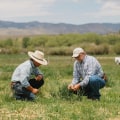
The concept of a ranch has undergone a significant transformation over the years, evolving from the expansive, traditional properties that once defined the American West to a more nuanced understanding that embraces smaller, sustainable operations. Historically, ranches were synonymous with vast tracts of land dedicated to cattle grazing and large-scale agricultural production. These sprawling estates often spanned hundreds or even thousands of acres, serving as the backbone of rural economies and lifestyles. However, as societal values shift towards sustainability and environmental stewardship, the definition of what constitutes a ranch is being redefined.Today, many aspiring landowners are gravitating towards small ranch properties , often around 10 acres or less, that prioritize sustainable practices and organic farming.
This shift reflects a growing awareness of the ecological impact of traditional farming methods and a desire to cultivate land in harmony with nature. Small ranches can serve as vital hubs for local food production, offering niche products that cater to health-conscious consumers seeking the best organic farming options. By focusing on quality over quantity, these smaller operations can thrive in today’s market while contributing positively to their communities.The implications of this changing definition extend beyond mere land size; they encompass innovative management practices, community engagement, and a commitment to environmental sustainability. As we explore this evolution further, it becomes clear that the future of ranching lies not just in the acreage owned but in the practices employed and the relationships built within local ecosystems.
This new paradigm invites us to reconsider our understanding of ranching and its role in promoting sustainable agriculture and rural livelihoods.
Historical Context of Ranching in America
The history of ranching in America is a rich tapestry woven from the threads of indigenous practices, European colonization, and the evolution of agricultural techniques. Initially, the vast landscapes of the American West were home to Native American tribes who practiced sustainable land management and animal husbandry long before European settlers arrived. These indigenous communities utilized the land in harmony with nature, raising livestock and crops that suited their environment.With the arrival of European settlers in the 16th century, ranching began to take on a new form. The Spanish introduced cattle ranching to the Americas, establishing large estates known as haciendas.These early ranches were characterized by their expansive size and focus on grazing cattle for meat and hides. The Spanish influence laid the groundwork for what would become a significant aspect of American culture and economy.As the United States expanded westward in the 19th century, ranching evolved dramatically. The introduction of the cattle drive became a hallmark of this era, with cowboys herding thousands of cattle across vast distances to railheads where they could be shipped to markets. This period saw the rise of iconic figures such as cowboys and ranchers , who became symbols of American ruggedness and independence.Traditional ranches during this time were often defined by their size—many spanning thousands of acres.
These large tracts were necessary to support extensive grazing operations, which were vital for sustaining herds. The economic model relied heavily on scale; larger ranches could produce more beef, leading to greater profits.However, as the 20th century approached, several factors began to reshape ranching practices. The advent of modern technology, changes in consumer preferences, and increasing awareness of environmental sustainability prompted a reevaluation of traditional ranching methods. Ranchers began to recognize that smaller operations could be just as viable, especially when focusing on niche markets such as organic farming and sustainable practices.This shift towards smaller, more sustainable ranches reflects a broader trend in agriculture where quality often trumps quantity.
Today’s ranchers are increasingly adopting innovative techniques that prioritize ecological balance while still meeting market demands. Understanding this historical context is essential for appreciating how far ranching has come and how it continues to adapt in response to changing societal values.
Defining Ranch Size: From Acres to Functionality
The concept of what constitutes a ranch has undergone significant transformation over the years, particularly in how we define ranch size. Traditionally, ranches were synonymous with vast expanses of land, often exceeding hundreds or even thousands of acres. However, as agricultural practices evolve and sustainability becomes a priority, the focus has shifted from sheer acreage to the functionality and productivity of the land.Today, a ranch is increasingly defined by its operational practices rather than its size.This shift emphasizes that even smaller properties, such as those spanning just 10 acres, can effectively function as ranches if they are managed with intention and purpose. The key lies in how these properties are utilized to produce goods, support livestock, or engage in sustainable farming practices.For instance, a 10-acre property can be transformed into a thriving organic farm that produces high-quality vegetables, fruits, or herbs. By implementing best organic farming practices—such as crop rotation, composting, and integrated pest management—these smaller ranches can yield significant outputs that rival those of larger operations. This approach not only maximizes the land's potential but also aligns with growing consumer demand for locally sourced and sustainably produced food.Moreover, the definition of a ranch is influenced by local regulations and zoning laws that may dictate what activities can occur on a given piece of land.
In some regions, properties under a certain size may still qualify as agricultural land if they meet specific criteria for production or conservation efforts. This regulatory framework further supports the notion that functionality is paramount in defining a ranch.Ultimately, the evolution of ranch size definitions reflects broader changes in societal values regarding agriculture and land use. As more individuals seek to engage in sustainable practices and contribute to local food systems, the traditional view of ranching as solely large-scale operations is being redefined. Today’s ranches are diverse in size and scope, demonstrating that effective management and innovative practices can lead to successful outcomes regardless of acreage.
Sustainable Practices in Modern Ranching
As the landscape of ranching evolves, many modern ranchers are embracing sustainable practices that not only enhance productivity but also promote environmental stewardship.These practices are essential in addressing the challenges posed by climate change, soil degradation, and the increasing demand for food. By integrating organic farming methods into their operations, ranchers can create a more resilient agricultural system.One of the core principles of sustainable ranching is the use of crop rotation. This method involves alternating the types of crops grown on a particular piece of land to improve soil health and reduce pest populations. By rotating crops, ranchers can prevent nutrient depletion and minimize the need for chemical fertilizers, which can harm the environment.Another effective practice is integrated pest management (IPM).
This approach combines biological control, habitat manipulation, and resistant crop varieties to manage pests in an eco-friendly manner. By reducing reliance on synthetic pesticides, ranchers not only protect beneficial insects but also contribute to a healthier ecosystem.
Cover cropping
is also gaining traction among sustainable ranchers. By planting cover crops during off-seasons, ranchers can improve soil structure, enhance moisture retention, and suppress weeds. These crops act as a natural barrier against erosion and provide habitat for wildlife, further promoting biodiversity on the ranch.Moreover, many ranchers are adopting agroforestry , which integrates trees and shrubs into their farming systems.
This practice not only provides shade and shelter for livestock but also enhances carbon sequestration and improves overall farm resilience. The combination of trees with pastureland can lead to increased forage quality and quantity, benefiting both animals and the environment.In addition to these practices, organic certification is becoming increasingly popular among ranchers looking to tap into niche markets. By adhering to organic standards, ranchers can offer consumers products that are free from synthetic chemicals and genetically modified organisms (GMOs). This not only meets growing consumer demand for organic products but also supports sustainable farming practices that benefit the planet.Ultimately, the shift towards sustainable practices in modern ranching reflects a broader commitment to environmental health and economic viability.
By prioritizing eco-friendly agriculture, ranchers are not only ensuring their own success but also contributing to a more sustainable future for agriculture as a whole.
The Role of Technology in Small-Scale Ranching
In recent years, technology has emerged as a transformative force in small-scale ranching, enabling landowners to enhance productivity while promoting sustainable practices. Innovations in farming technology are not just reserved for large agricultural enterprises; they are increasingly accessible to smaller properties, allowing them to thrive in a competitive market.One of the most significant advancements is the use of precision agriculture. This approach utilizes data analytics and GPS technology to optimize farming practices. For small-scale ranchers, precision agriculture can mean more efficient use of resources such as water and fertilizers.By employing soil sensors and satellite imagery, ranchers can monitor crop health and soil conditions in real-time, leading to informed decisions that enhance yield and reduce waste.Another notable innovation is the integration of smart irrigation systems. These systems use weather data and soil moisture levels to automate watering schedules, ensuring that crops receive the right amount of water at the right time. This not only conserves water but also promotes healthier plant growth, which is crucial for small-scale operations that may not have the same resources as larger farms.Moreover, advancements in livestock management technology have revolutionized how ranchers care for their animals. Wearable devices for livestock can track health metrics, monitor grazing patterns, and even detect illnesses early.
This proactive approach allows ranchers to maintain healthier herds while minimizing losses due to disease or poor management.Additionally, the rise of e-commerce platforms has opened new avenues for small-scale ranchers to reach consumers directly. By leveraging online marketplaces, ranchers can sell organic produce or specialty products without relying solely on traditional distribution channels. This direct-to-consumer model not only increases profit margins but also fosters a connection between producers and consumers who value sustainable practices.In conclusion, technology is reshaping the landscape of small-scale ranching by enhancing productivity and sustainability. From precision agriculture to smart irrigation and livestock management innovations, these tools empower ranchers to operate more efficiently and effectively.
As the demand for organic farming continues to grow, embracing these technological advancements will be essential for small-scale properties aiming to thrive in an evolving agricultural environment.
Market Trends: Niche Products and Direct-to-Consumer Sales
In recent years, the agricultural landscape has witnessed a significant shift towards smaller-scale operations, particularly in the realm of ranching. This transformation is largely driven by evolving consumer preferences and market dynamics that favor niche products and direct-to-consumer sales. As consumers become more health-conscious and environmentally aware, they increasingly seek out organic and sustainably produced goods, creating a fertile ground for small ranches to thrive.Niche Markets in Farming
- Specialty Crops: Small ranches are capitalizing on the demand for specialty crops such as heirloom vegetables, exotic fruits, and artisanal herbs. These products often command higher prices due to their unique qualities and limited availability.
- Grass-Fed and Organic Meat: The trend towards healthier eating has led to a surge in demand for grass-fed beef, pasture-raised poultry, and organic pork.
Small ranches can meet this demand by implementing sustainable farming practices that appeal to health-conscious consumers.
- Value-Added Products: Many small ranchers are diversifying their offerings by creating value-added products like homemade jams, cheeses, or cured meats. These products not only enhance profitability but also allow ranchers to tell their story and connect with consumers on a personal level.
Direct-to-Consumer Sales Strategies
The rise of e-commerce and social media has revolutionized how small ranches market their products. By leveraging these platforms, ranchers can establish direct relationships with consumers, bypassing traditional distribution channels that often cut into profits. Here are some effective strategies:
- Farmers' Markets: Participating in local farmers' markets allows ranchers to showcase their products directly to consumers while building community connections.
- Subscription Services: Many small ranches have adopted subscription models where customers receive regular deliveries of fresh produce or meat.
This not only ensures consistent sales but also fosters customer loyalty.
- Online Sales: Establishing an online presence through websites or social media platforms enables ranchers to reach a broader audience. Engaging content, such as farm tours or cooking demonstrations, can enhance customer engagement and drive sales.
Challenges Faced by Small Ranch Owners
Small ranch owners today encounter a myriad of challenges that can significantly impact their operations and sustainability. Understanding these obstacles is crucial for anyone considering entering the world of small-scale ranching.Regulatory Hurdles
One of the primary challenges faced by small ranchers is navigating the complex web of regulations that govern agricultural practices.Local, state, and federal laws can impose strict guidelines on land use, livestock management, and environmental protection. For instance:
- Zoning Laws: Many areas have specific zoning requirements that dictate what types of farming activities can occur on a property. This can limit the ability to diversify operations or expand.
- Permitting Processes: Obtaining the necessary permits for water usage, waste management, or building structures can be time-consuming and costly, often requiring extensive documentation and compliance with environmental standards.
- Animal Welfare Regulations: Small ranchers must adhere to animal welfare standards that can vary widely by region, adding another layer of complexity to livestock management.
Market Competition
The competitive landscape for small ranchers has intensified in recent years. With the rise of large-scale industrial farms and corporate agriculture, small ranchers often struggle to find their niche in the market.Key factors include:
- Price Pressure: Larger operations benefit from economies of scale, allowing them to offer lower prices that small ranchers cannot compete with without sacrificing quality.
- Consumer Preferences: While there is a growing demand for organic and locally sourced products, small ranchers must effectively market their offerings to attract consumers who may be unaware of the benefits of supporting local agriculture.
- Distribution Challenges: Establishing reliable distribution channels can be difficult for small ranchers, particularly when competing against established brands with extensive networks.
Financial Viability
Financial sustainability remains a significant concern for small ranch owners. The costs associated with maintaining a ranch can be substantial, including:- Operational Costs: Feed, veterinary care, equipment maintenance, and labor can quickly add up, making it challenging to maintain profitability.
- Access to Capital: Securing loans or grants for expansion or improvements can be difficult for small ranchers, especially those without established credit histories or collateral.
- Market Fluctuations: Prices for agricultural products can be volatile, influenced by factors such as weather conditions and global market trends, which can lead to unpredictable income streams.
Case Studies: Successful Small Ranches Implementing Organic Practices
As the landscape of ranching evolves, numerous small ranches have emerged as beacons of sustainability and organic farming. These case studies highlight how innovative practices can lead to both environmental stewardship and economic viability.1.Green Pastures Farm
Located in the heart of Oregon, Green Pastures Farm is a prime example of a successful small ranch that has embraced organic practices.Spanning just 10 acres, this family-owned operation focuses on rotational grazing and permaculture principles. By allowing livestock to graze in designated areas, they enhance soil health and reduce the need for chemical fertilizers.
- Key Practices: Rotational grazing, cover cropping, and integrated pest management.
- Products: Organic beef, free-range eggs, and seasonal vegetables.
2.Sunny Acres Ranch
Sunny Acres Ranch
, situated in Colorado, showcases how small-scale operations can thrive through community engagement and sustainable practices. This 15-acre ranch specializes in organic vegetable production and agroforestry.
By planting fruit trees alongside vegetable crops, they create a micro-ecosystem that supports pollinators and enhances crop resilience.
- Key Practices: Agroforestry, companion planting, and organic certification.
- Products: Organic vegetables, fruits, and herbs sold through a CSA (Community Supported Agriculture) program.
3.Harmony Hill Ranch
Harmony Hill Ranch
, located in Texas, is another inspiring example of a small ranch successfully implementing organic methods. This 12-acre property focuses on raising heritage breed pigs and chickens using pasture-based systems. By prioritizing animal welfare and natural foraging behaviors, they produce high-quality meat that appeals to health-conscious consumers.
- Key Practices: Pasture-raised livestock, organic feed sourcing, and holistic management.
- Products: Organic pork and chicken sold at local farmers' markets.
Their success story serves as a testament to the potential of small ranches to make a significant impact on local food systems while promoting sustainable agriculture.
Future Outlook: The Next Generation of Ranchers and Sustainable Practices
The future of ranching is poised for significant transformation as the next generation of ranchers steps into leadership roles. These young farmers are not only inheriting land but also a legacy of agricultural practices that are increasingly focused on sustainability and innovation. As they take the reins, their approach to ranching will likely reflect a deep commitment to environmental stewardship and community engagement.One of the most notable trends among emerging ranchers is the integration of sustainable agriculture practices. This includes methods such as:- Regenerative agriculture: This approach focuses on restoring soil health, enhancing biodiversity, and improving water cycles.
By using techniques like cover cropping and rotational grazing, new ranchers can increase productivity while minimizing environmental impact.
- Permaculture: Many young ranchers are adopting permaculture principles, which emphasize working with natural ecosystems to create sustainable agricultural systems. This holistic approach can lead to more resilient farming operations.
- Organic farming: The demand for organic products continues to rise, prompting new ranchers to explore organic certification and practices that avoid synthetic pesticides and fertilizers.
By establishing closer connections with consumers, they can foster a sense of community while ensuring that their products meet local needs. This shift not only enhances profitability but also promotes transparency in food production.As these young ranchers embrace sustainability and innovation, they will face challenges such as climate change, market fluctuations, and regulatory pressures. However, their adaptability and commitment to sustainable practices will be key in navigating these obstacles. The future of ranching lies in their hands, and with it comes the potential for a more resilient and environmentally friendly agricultural landscape.
Conclusion: Embracing Change in Ranching Definitions and Practices
As we reflect on the evolving landscape of ranching, it becomes clear that the definition of a ranch is no longer confined to vast expanses of land dedicated solely to traditional livestock grazing.Instead, the modern ranch embodies a diverse array of practices and philosophies that prioritize sustainability, innovation, and community engagement. The shift towards smaller, sustainable properties—such as 10-acre ranches—illustrates a significant transformation in how we perceive agricultural land use.Throughout this discussion, we have explored various factors that contribute to this changing definition. The historical context of land measurement, local regulations, and the economic viability of smaller operations all play crucial roles in shaping what constitutes a ranch today. Moreover, the rise of best organic farming practices has empowered landowners to cultivate their properties in ways that align with environmental stewardship and consumer demand for sustainable products.Adapting to these changes is not merely an option; it is essential for the future of ranching.
As consumers increasingly seek out organic and locally sourced products, ranchers must embrace innovative practices that enhance their marketability while also preserving the land for future generations. This includes implementing regenerative agriculture techniques, diversifying crops and livestock, and engaging in direct-to-consumer sales strategies.Furthermore, the importance of community cannot be overstated. Modern ranchers are finding success by connecting with local markets and fostering relationships with consumers who value transparency and sustainability in food production. By sharing their stories and practices, they can build trust and loyalty among customers who are eager to support responsible agriculture.In conclusion, the definition of a ranch is evolving in response to societal needs and environmental challenges.
Embracing this change not only ensures the survival of ranching as a viable livelihood but also contributes to a more sustainable food system. As we move forward, it is imperative for ranchers—regardless of their property size—to remain adaptable and committed to practices that promote both economic success and ecological health.