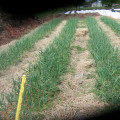
In recent years, the agricultural landscape has undergone a significant transformation, with organic farming emerging as a leading method that not only prioritizes environmental sustainability but also offers substantial economic benefits. As consumers become increasingly health-conscious and environmentally aware, the demand for organic products has surged, making this sector one of the most lucrative avenues for farmers today. The principles of organic farming emphasize the use of natural processes and materials, eschewing synthetic fertilizers and pesticides, which not only enhances the quality of produce but also fosters a healthier ecosystem.The significance of best organic farming practices extends beyond mere profitability; it encompasses a holistic approach to agriculture that promotes biodiversity, soil health, and animal welfare. By adopting organic methods, farmers can tap into a growing market that values transparency and sustainability.
This shift in consumer preferences has led to an increase in premium pricing for organic products, allowing farmers to achieve higher profit margins compared to conventional farming methods.Moreover, the benefits of organic farming are multifaceted. Not only does it contribute to improved public health by reducing exposure to harmful chemicals, but it also plays a crucial role in combating climate change through carbon sequestration and reduced greenhouse gas emissions. As more farmers recognize these advantages, they are increasingly turning to organic practices as a viable and profitable alternative. This section will delve deeper into the various profitable aspects of organic farming, exploring how farmers can leverage these methods to enhance their income while contributing positively to the environment.
The Rise of Organic Farming
In recent years, the growth of organic farming has surged, reflecting a significant shift in consumer preferences towards healthier and more sustainable food options.This trend is not merely a passing fad; it is supported by robust statistics that highlight the increasing market demand for organic products.According to the Organic Trade Association , organic food sales in the United States reached a staggering $62 billion in 2020, marking a 12.4% increase from the previous year. This growth trajectory indicates that consumers are willing to invest more in organic products, driven by a desire for food that is free from synthetic pesticides and fertilizers.The demand for organic produce is particularly pronounced among younger generations. A survey conducted by Statista revealed that approximately 70% of millennials prefer to purchase organic products when available. This demographic shift is crucial for farmers considering entering the organic market, as it suggests a long-term trend rather than a temporary spike.Furthermore, the market demand for organic products extends beyond fruits and vegetables.
Organic dairy, meat, and grains are also experiencing significant growth. For instance, organic dairy sales alone accounted for over $6 billion in 2020, showcasing the diverse opportunities within the organic sector.As more consumers prioritize health and environmental sustainability, farmers who adopt organic practices can tap into this lucrative market. The transition to organic farming not only meets consumer demand but also enhances farm profitability through premium pricing. Organic products often sell at a higher price point compared to their conventional counterparts, allowing farmers to achieve better margins.In conclusion, the rise of organic farming is fueled by increasing consumer awareness and demand for healthier food options.
With substantial growth statistics backing this trend, farmers have a unique opportunity to capitalize on the expanding market for organic products, ensuring both sustainability and profitability in their operations.
Key Profitable Aspects of Organic Farming
Organic farming has emerged as a highly lucrative sector within the agricultural industry, driven by increasing consumer demand for healthier and sustainably produced food. This section explores the key profitable aspects of organic farming, focusing on high-demand organic crops and income from organic livestock.Profitable Organic Farming Practices
To maximize profitability in organic farming, farmers must adopt practices that not only enhance crop yield but also align with organic standards. Some of the most effective practices include:- Crop Rotation: This technique helps maintain soil fertility and reduces pest and disease pressure. By rotating different crops, farmers can improve their yields and reduce reliance on chemical inputs.
- Companion Planting: Certain plants can benefit each other when grown together.
For example, planting basil alongside tomatoes can enhance growth and flavor while deterring pests.
- Organic Fertilizers: Utilizing compost and natural fertilizers enriches the soil without the harmful effects of synthetic chemicals, leading to healthier crops.
High-Demand Organic Crops
The choice of crops significantly impacts profitability in organic farming. Some of the most sought-after organic crops include:- Leafy Greens: Varieties such as kale, spinach, and arugula are in high demand due to their health benefits and versatility in cooking.
- Berries: Organic strawberries, blueberries, and raspberries command premium prices at markets due to their popularity among health-conscious consumers.
- Herbs: Fresh herbs like cilantro, parsley, and basil are increasingly popular in culinary applications, making them a profitable choice for organic farmers.
Income from Organic Livestock
Raising organic livestock can also be a significant source of income. Organic meat, eggs, and dairy products are highly valued for their quality and ethical production methods. Key points to consider include:- Organic Poultry: Organic chicken and eggs are among the fastest-growing segments in the organic market.
Farmers can achieve substantial profits by adhering to organic standards while ensuring animal welfare.
- Grass-Fed Beef: Consumers are increasingly seeking grass-fed beef for its health benefits and superior taste. This niche market allows farmers to charge higher prices compared to conventional beef.
- Dairy Products: Organic milk and cheese have seen a surge in demand as consumers become more aware of the benefits of organic dairy. Farmers can capitalize on this trend by offering high-quality products.
Diversification in Organic Farming
In the realm of organic farming, diversification is not just a strategy; it is a necessity for sustainable success.By embracing a diversified approach, farmers can create multiple income streams that enhance their resilience against market fluctuations and environmental challenges.One of the most effective ways to diversify is through agritourism. This practice allows farmers to open their doors to the public, offering experiences such as farm tours, workshops, and seasonal events like pumpkin picking or berry festivals. Not only does this generate additional revenue, but it also fosters a connection between consumers and the source of their food, promoting awareness of organic practices.Another avenue for diversification is the production of value-added products. Farmers can transform raw organic produce into items such as jams, sauces, or dried fruits.
This not only increases the profit margin on their products but also allows them to cater to niche markets that seek unique, locally-sourced goods. For instance, a farmer growing organic tomatoes might create a line of gourmet pasta sauces that appeal to health-conscious consumers.Community-Supported Agriculture (CSA) programs represent another powerful method for diversifying income. In a CSA model, consumers purchase shares of the farm's harvest in advance, providing farmers with upfront capital while ensuring customers receive fresh produce throughout the season. This model not only stabilizes income but also builds a loyal customer base that values local and organic food.Moreover, incorporating livestock into an organic farming operation can further enhance diversification.
Raising animals such as chickens or goats can provide additional products like eggs or milk, which can be sold directly to consumers or through local markets. This not only diversifies income but also contributes to soil health through natural fertilization methods.In conclusion, the benefits of farm diversification in organic farming are manifold. By exploring various avenues such as agritourism, value-added products, and CSA programs, farmers can create robust business models that withstand economic pressures while promoting sustainable agricultural practices. Embracing diversification not only enhances profitability but also enriches the farming experience for both producers and consumers alike.
Sustainable Practices and Their Financial Benefits
In the realm of best organic farming, sustainable practices are not just a trend; they are essential for long-term profitability and environmental stewardship.By implementing methods that enhance soil health, conserve resources, and reduce dependency on chemical inputs, farmers can achieve significant cost savings while also contributing positively to the ecosystem.One of the cornerstone practices in sustainable organic farming is crop rotation. This technique involves alternating the types of crops grown in a particular area across seasons. By rotating crops, farmers can break pest and disease cycles, improve soil fertility, and reduce the need for synthetic fertilizers. For instance, planting legumes after cereal crops can naturally replenish nitrogen levels in the soil, leading to healthier plants and reduced fertilizer costs.
Composting
is another vital practice that not only enriches the soil but also minimizes waste.
By recycling organic matter such as kitchen scraps, yard waste, and agricultural residues into nutrient-rich compost, farmers can enhance soil structure and fertility. This practice reduces the need for chemical fertilizers and lowers disposal costs associated with waste management. Moreover, composting can improve water retention in the soil, which is particularly beneficial during dry spells.Additionally, integrated pest management (IPM) strategies play a crucial role in sustainable organic farming. IPM combines biological control methods, habitat manipulation, and resistant crop varieties to manage pest populations effectively.
By reducing reliance on chemical pesticides, farmers not only cut costs but also protect beneficial insects and promote biodiversity on their farms. This holistic approach can lead to healthier crops and ultimately higher yields.The environmental benefits of these sustainable practices are profound. They contribute to improved soil health, reduced water pollution from runoff, and enhanced biodiversity. Furthermore, consumers are increasingly drawn to products that are sustainably sourced, allowing farmers who adopt these practices to potentially command higher prices for their goods.In conclusion, embracing sustainable practices within organic farming not only fosters environmental health but also leads to significant financial advantages.
By investing in methods like crop rotation, composting, and integrated pest management, farmers can create a resilient agricultural system that thrives economically while nurturing the planet.
Challenges in Organic Farming and How to Overcome Them
Organic farming, while rewarding, presents a unique set of challenges that can deter even the most passionate farmers. Understanding these obstacles and developing effective strategies to overcome them is crucial for success in this sustainable agricultural practice.Pest Management
One of the most significant challenges in organic farming is managing pests without the use of synthetic pesticides. Organic farmers often face infestations that can threaten crop yields. To combat this, farmers can implement integrated pest management (IPM) strategies, which include:
- Crop Rotation: Changing the types of crops grown in a particular area each season can disrupt pest life cycles.
- Beneficial Insects: Introducing natural predators, such as ladybugs or lacewings, can help control pest populations.
- Organic Pesticides: Utilizing naturally derived pesticides, such as neem oil or insecticidal soap, can provide effective control while adhering to organic standards.
Certification Processes
The certification process for organic farming can be daunting and time-consuming.
Farmers must adhere to strict guidelines and maintain detailed records to prove compliance. To navigate this challenge:
- Educate Yourself: Familiarize yourself with the USDA organic standards and requirements specific to your region.
- Seek Assistance: Many organizations offer resources and support for farmers seeking certification. Engaging with local agricultural extension services can provide valuable guidance.
- Plan Ahead: Start the certification process early, allowing ample time for inspections and necessary adjustments to your farming practices.
Market Competition
The growing demand for organic products has led to increased competition among farmers. To stand out in a crowded market, consider the following strategies:
- Diversify Your Offerings: Explore niche markets by growing unique or heirloom varieties that appeal to health-conscious consumers.
- Build Relationships: Establish connections with local restaurants, grocery stores, and farmers' markets to create a loyal customer base.
- Utilize Online Platforms: Leverage social media and e-commerce platforms to reach a broader audience and promote your organic products effectively.
The Role of Technology in Enhancing Organic Farming Profits
In recent years, technology has emerged as a game-changer in the realm of organic farming, enabling farmers to enhance their productivity and profitability significantly.The integration of advanced tools and techniques not only streamlines operations but also aligns with the principles of sustainability that organic farming embodies.
Precision Agriculture
is one of the most impactful technological advancements in organic farming. This approach utilizes data-driven insights to optimize field-level management regarding crop farming. By employing tools such as GPS mapping, soil sensors, and drones, farmers can monitor crop health, soil conditions, and moisture levels with remarkable accuracy. This data allows for targeted interventions, reducing waste and maximizing yield.
For instance, instead of applying fertilizers uniformly across a field, farmers can use precision agriculture to apply nutrients only where they are needed, thus minimizing environmental impact while enhancing crop quality.Another significant aspect of technology in organic farming is the use of data analytics. By analyzing historical data and current trends, farmers can make informed decisions about planting schedules, crop rotation, and pest management. This analytical approach helps in predicting market demands and adjusting production accordingly. For example, if data indicates a rising demand for a particular organic vegetable, farmers can pivot their planting strategies to capitalize on this trend.Moreover, digital tools have revolutionized marketing strategies for organic farmers.
With the rise of e-commerce platforms and social media marketing, farmers can reach a broader audience than ever before. Online marketplaces allow them to sell directly to consumers, bypassing traditional distribution channels that often cut into profits. Additionally, social media platforms provide an avenue for storytelling—sharing the journey of their organic produce from farm to table—which resonates with health-conscious consumers.Furthermore, mobile applications designed specifically for farmers can assist in managing daily operations more efficiently. These apps can track inventory levels, manage finances, and even provide weather forecasts tailored to specific locations.
By leveraging these digital tools, organic farmers can save time and reduce operational costs.In conclusion, the role of technology in enhancing organic farming profits cannot be overstated. From precision agriculture to data analytics and innovative marketing strategies, technology empowers farmers to operate more efficiently while adhering to organic principles. As the agricultural landscape continues to evolve, embracing these technological advancements will be crucial for organic farmers aiming to thrive in a competitive market.
Case Studies: Successful Organic Farmers
Organic farming has seen a remarkable rise in popularity, and many farmers have successfully transitioned to this sustainable method of agriculture. Here, we explore several case studies of successful organic farmers who have not only thrived but also set benchmarks for others in the industry.1.The Green Thumb Farm
Located in California, The Green Thumb Farm is a prime example of how organic farming can yield impressive profits.Founded by a couple with a passion for sustainable agriculture, they started with just a few acres of land. By focusing on diversified crops, including heirloom tomatoes, organic herbs, and specialty greens, they have created a niche market.
- Key Strategies: They utilize crop rotation and companion planting to enhance soil health and reduce pests naturally.
- Community Engagement: The farm hosts workshops and farm-to-table dinners, fostering community ties and increasing their customer base.
- Direct Sales: They sell directly to local restaurants and through a subscription-based CSA (Community Supported Agriculture) model, ensuring steady income.
2.Happy Valley Organic Farm
Happy Valley Organic Farm in Oregon has carved out a successful business by focusing on organic dairy production. They have implemented innovative practices that not only improve animal welfare but also enhance product quality.- Sustainable Practices: The farm uses rotational grazing techniques that allow the cows to graze on fresh pastures regularly, which improves milk quality and reduces feed costs.
- Value-Added Products: They produce organic cheese and yogurt, which significantly increases their profit margins compared to selling raw milk alone.
- Branding: By emphasizing their commitment to animal welfare and environmental sustainability, they have built a strong brand that resonates with health-conscious consumers.
3.Urban Harvest
This innovative urban farm located in New York City has transformed vacant lots into productive organic gardens. Urban Harvest focuses on growing microgreens and specialty vegetables for local restaurants.- Vertical Farming Techniques: Utilizing vertical farming methods allows them to maximize space and yield while minimizing resource use.
- Partnerships: They collaborate with local chefs to create unique dishes featuring their produce, enhancing visibility and demand.
- Education and Outreach: Urban Harvest offers educational programs for city dwellers interested in starting their own urban gardens, creating a community around sustainable practices.
By learning from these top farmers, aspiring organic producers can adopt similar strategies to enhance their profitability and sustainability in the agricultural sector.
Future Trends in Organic Farming Profitability
The landscape of organic farming is continuously evolving, driven by changing consumer preferences, advancements in technology, and shifting regulatory frameworks. As we look to the future, several key trends are poised to shape the profitability of organic farming.Consumer Preferences Shifting Towards Organic
One of the most significant trends influencing the future of organic farming is the increasing demand for organic products among consumers. Health-conscious individuals are becoming more aware of the benefits of organic foods, leading to a surge in sales. According to recent studies, the organic food market is expected to grow at a compound annual growth rate (CAGR) of over 10% in the coming years.This growth is fueled by:
- Increased Awareness: Consumers are more informed about the health benefits associated with organic produce, including lower pesticide residues and higher nutritional value.
- Sustainability Concerns: A growing number of consumers prioritize sustainability and environmental impact when making purchasing decisions, favoring organic farming practices that promote biodiversity and soil health.
- Local Sourcing: There is a rising trend towards supporting local farmers and purchasing locally grown organic products, which can enhance farm profitability through direct-to-consumer sales.
Regulatory Changes and Support
As the organic market expands, regulatory bodies are adapting to ensure that standards keep pace with consumer expectations. Future regulations may include:- Stricter Certification Processes: Enhanced certification requirements may improve consumer trust in organic labels, potentially increasing demand for certified products.
- Government Incentives: Increased government support for organic farming through subsidies and grants can help farmers transition to organic practices more easily, boosting overall profitability.
Innovations in Sustainable Practices
The integration of technology into organic farming practices is another trend that promises to enhance profitability. Innovations such as precision agriculture, which utilizes data analytics and IoT devices, can help farmers optimize resource use and reduce waste. Additionally, advancements in sustainable pest management and soil health monitoring can lead to higher yields without compromising organic integrity.In conclusion, the future of organic farming profitability looks promising as consumer preferences shift towards healthier options, regulatory frameworks evolve to support sustainable practices, and technological innovations pave the way for more efficient farming methods.By staying ahead of these trends, farmers can position themselves for success in an increasingly competitive market.
Conclusion: The Path to Profitable Organic Farming
In conclusion, the journey towards profitable organic farming is not only feasible but also increasingly essential in today’s agricultural landscape. Throughout this article, we have explored various lucrative aspects of farming, emphasizing the potential of organic practices to yield significant financial returns while promoting sustainability and health.One of the most compelling reasons to consider organic farming is the growing consumer demand for organic products. As more individuals become health-conscious and environmentally aware, they are actively seeking out organic options. This shift in consumer behavior creates a robust market for farmers who can provide high-quality, organic produce.By tapping into this demand, farmers can often command higher prices for their products compared to conventional farming methods.Moreover, the profitability of organic farming is enhanced by diverse revenue streams. Farmers can engage in various activities such as:
- Direct Sales: Selling directly to consumers through farmers' markets or community-supported agriculture (CSA) programs can significantly increase profit margins.
- Agritourism: By inviting visitors to experience farm life, farmers can create additional income opportunities through tours, workshops, and events.
- Diverse Crop Production: Growing a variety of crops not only mitigates risk but also allows farmers to cater to different market segments.
Farmers must stay informed about market trends, consumer preferences, and innovative agricultural techniques. By embracing these elements and committing to sustainable practices, they can pave the way for a thriving and profitable organic farming venture.In summary, with the right strategies and dedication, organic farming presents a promising path toward not only financial success but also a healthier planet. As we move forward into an era where sustainability is paramount, those who invest in organic practices will likely find themselves at the forefront of a lucrative agricultural revolution.