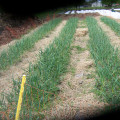
Organic farming is a holistic approach to agriculture that emphasizes the use of natural processes and materials to cultivate crops and raise livestock. This method avoids synthetic fertilizers, pesticides, and genetically modified organisms (GMOs), focusing instead on sustainable practices that enhance soil health, biodiversity, and ecosystem balance. As consumers become increasingly aware of the impact of their food choices on health and the environment, the demand for organic products has surged, making organic farming one of the fastest-growing sectors in agriculture. In urban areas, initiatives such as Urban Farming in London Policies and Initiatives are helping to integrate these sustainable practices into city life.The roots of organic farming can be traced back to ancient agricultural practices where farmers relied on natural methods to grow their crops. Organic farming is a holistic approach to agriculture that emphasizes the use of natural processes and materials to cultivate crops and raise livestock. This method avoids synthetic fertilizers, pesticides, and genetically modified organisms (GMOs), focusing instead on sustainable practices that enhance soil health, biodiversity, and ecosystem balance. As consumers become increasingly aware of the impact of their food choices on health and the environment, the demand for organic products has surged, making organic farming one of the fastest-growing sectors in agriculture. In urban areas, initiatives such as Urban Farming in London Policies and Initiatives are helping to integrate these sustainable practices into city life.The roots of organic farming can be traced back to ancient agricultural practices where farmers relied on natural methods to grow their crops.
However, the modern organic movement began in the early 20th century as a response to the industrialization of agriculture. Pioneers like Sir Albert Howard and Lady Eve Balfour advocated for farming methods that respected natural ecosystems and promoted soil fertility through composting and crop rotation. Their work laid the foundation for what would become a global movement aimed at producing food in a way that is both environmentally friendly and socially responsible.Today, organic farming is not just a niche market; it has evolved into a significant part of the global agricultural landscape. Countries around the world are recognizing its benefits, which include improved soil health, reduced chemical runoff, and enhanced biodiversity.
Furthermore, organic farming practices contribute to climate change mitigation by sequestering carbon in the soil and reducing greenhouse gas emissions associated with conventional farming methods. As we delve deeper into the global rise of organic farming, it becomes clear that this approach is not only beneficial for individual health but also crucial for the sustainability of our planet.
The Global Growth of Organic Farming
The landscape of organic farming is undergoing a remarkable transformation, with a surge in adoption and recognition across the globe. Recent statistics reveal that organic agriculture is not just a niche market but a significant player in the global food system. According to the World of Organic Agriculture: Statistics and Emerging Trends 2024, the total area of organic farmland worldwide has reached approximately 75 million hectares, marking a substantial increase from previous years.Countries leading in organic farming are setting benchmarks for sustainable practices and consumer awareness.Australia holds the largest area of organic farmland, with over 35 million hectares dedicated to organic practices. This is closely followed by Argentina , which has seen a rapid increase in organic production, particularly in soybeans and other crops. Meanwhile, the United States ranks third, with over 4 million hectares under organic management, reflecting a growing consumer demand for organic products.In Europe, countries like Austria and Germany are at the forefront of the organic movement. Austria boasts around 26% of its agricultural land as organic, thanks to early regulatory frameworks that support sustainable farming practices.
Germany follows closely with comprehensive standards that encompass various sectors, including livestock and aquaculture.The growth trends in organic farming can be attributed to several factors:
- Consumer Awareness: Increasing health consciousness among consumers has led to a higher demand for organic products, driving farmers to adopt organic methods.
- Government Support: Many governments are implementing policies that promote organic farming through subsidies and educational programs.
- Sustainability Concerns: As environmental issues become more pressing, farmers are turning to organic methods as a way to mitigate their ecological footprint.
- Market Expansion: The rise of e-commerce and local farmers' markets has made it easier for consumers to access organic products, further fueling demand.
Key Benefits of Organic Farming
Organic farming offers a multitude of benefits that extend beyond just the production of food. As consumers become more aware of the implications of their food choices, the benefits of organic farming are increasingly recognized and valued.Health Benefits of Organic Food
One of the most compelling reasons for the rise in organic farming is the health benefits associated with organic food consumption.Organic products are grown without the use of synthetic pesticides, herbicides, and fertilizers, which means they are less likely to contain harmful chemical residues. Studies have shown that organic foods often have higher levels of certain nutrients, including antioxidants, which can contribute to better overall health.
- Reduced Chemical Exposure: By choosing organic, consumers minimize their exposure to potentially harmful chemicals that can affect health.
- Higher Nutritional Value: Research indicates that organic produce may contain more vitamins and minerals compared to conventionally grown counterparts.
- Better Taste: Many consumers report that organic fruits and vegetables taste better, which can encourage healthier eating habits.
Environmental Impact of Organic Farming
The environmental benefits of organic farming are equally significant. Organic practices promote biodiversity, improve soil health, and reduce pollution. By avoiding synthetic inputs, organic farmers help maintain a balanced ecosystem that supports various forms of life.- Sustainable Practices: Organic farming methods such as crop rotation, cover cropping, and composting enhance soil fertility and structure.
- Biodiversity Conservation: Organic farms often serve as habitats for various species, contributing to greater biodiversity in agricultural landscapes.
- Water Conservation: Organic practices typically use less water than conventional methods due to improved soil health and moisture retention.
As awareness continues to spread about the health benefits and positive environmental impacts of organic farming, it is clear that this movement is not just a trend but a vital part of our future food system.
Challenges Facing Organic Farmers
While the global rise of organic farming is promising, it is not without its challenges. Organic farmers face a unique set of obstacles that can hinder their ability to thrive in a competitive market. Understanding these challenges is essential for anyone interested in the organic sector.Higher Production Costs
One of the most significant challenges organic farmers encounter is the higher cost of production. Unlike conventional farming, which often relies on synthetic fertilizers and pesticides, organic farming emphasizes natural methods.
This can lead to increased labor costs and lower yields in the initial years as farmers transition to organic practices. For instance, organic seeds and inputs can be more expensive, and the time required for soil restoration and pest management can extend the time before a farmer sees a return on investment.
Regulatory Hurdles
Navigating the regulatory landscape can also pose a challenge for organic farmers. Each country has its own set of regulations governing organic certification, which can be complex and time-consuming. Farmers must adhere to strict guidelines to maintain their organic status, including record-keeping and compliance with specific agricultural practices.
This bureaucratic process can be daunting, especially for new entrants who may lack experience in dealing with regulatory bodies.
Barriers to Entry
The barriers to entry for aspiring organic farmers are substantial. Access to land suitable for organic farming can be limited, particularly in regions where conventional agriculture dominates. Additionally, many new farmers may struggle to secure financing due to perceived risks associated with organic farming. Financial institutions may be hesitant to lend to those without a proven track record in this niche market.
Market Competition
As demand for organic products grows, so does competition among producers.
Established brands often have more resources for marketing and distribution, making it challenging for smaller or newer farms to gain market share. This competition can drive prices down, further squeezing profit margins for organic farmers.In conclusion, while the benefits of organic farming are clear, the challenges are equally significant. Addressing these issues through supportive policies, education, and community resources will be crucial in ensuring that organic farming continues to grow sustainably.
Innovations and Practices in Organic Farming
As the demand for organic products continues to rise, farmers are increasingly adopting innovative practices and techniques that blend traditional methods with modern technology. This integration not only enhances productivity but also ensures sustainability in organic farming.Advanced Organic Farming Techniques
One of the most significant advancements in organic farming is the use of precision agriculture.This technique employs technology such as GPS and remote sensing to monitor crop health and soil conditions. By analyzing data collected from these technologies, farmers can make informed decisions about irrigation, fertilization, and pest management, leading to more efficient use of resources.
Sustainable Practices in Organic Farming
Sustainable practices are at the heart of organic farming. Techniques such as crop rotation , cover cropping , and integrated pest management (IPM) are essential for maintaining soil health and biodiversity. Crop rotation helps prevent soil depletion and reduces pest populations by disrupting their life cycles.Cover crops, on the other hand, protect the soil from erosion and improve its nutrient content when tilled back into the ground.
Innovations in Agriculture
The rise of biotechnology has also influenced organic farming. While traditional organic standards prohibit synthetic chemicals, biopesticides derived from natural organisms are gaining traction. These biopesticides offer effective pest control without harming beneficial insects or the environment. Additionally, advancements in seed technology have led to the development of disease-resistant crop varieties that thrive in organic systems.Community Supported Agriculture (CSA)
Another innovative approach is Community Supported Agriculture (CSA), where consumers buy shares of a farm's harvest in advance.This model not only provides farmers with upfront capital but also fosters a direct relationship between producers and consumers, enhancing community engagement and awareness about sustainable practices.In conclusion, the future of organic farming lies in the harmonious blend of traditional wisdom and modern innovations. By embracing these techniques, farmers can enhance productivity while ensuring that their practices remain environmentally friendly and sustainable.
Government Policies and Support for Organic Farming
As the demand for organic products continues to rise globally, governments are increasingly recognizing the importance of supporting organic farming through various policies and initiatives. This support is crucial not only for enhancing food security but also for promoting sustainable agricultural practices that benefit the environment.Government Support for Organic Farming
- Many countries have established dedicated programs to assist organic farmers. For instance, in the United States, the Organic Certification Cost Share Program helps offset the costs associated with obtaining organic certification, making it more accessible for small-scale farmers.
- In Australia, the government has implemented the National Organic Standard, which provides a framework for organic certification and ensures that consumers can trust the integrity of organic products.
- European Union member states benefit from the Common Agricultural Policy (CAP), which allocates funds specifically for organic farming initiatives, including research, training, and direct payments to farmers who adopt organic practices.
Policies Promoting Organic Agriculture
Governments are also enacting policies that promote organic agriculture as a viable alternative to conventional farming.
These policies often include:
- Subsidies and Financial Incentives: Many governments offer financial incentives to farmers who transition to organic methods. These subsidies can help cover initial costs and encourage more farmers to adopt sustainable practices.
- Research and Development: Investment in research is vital for advancing organic farming techniques. Governments are funding research projects that explore innovative practices, pest management strategies, and soil health improvements specific to organic agriculture.
- Education and Training Programs: Providing education and training for farmers is essential for successful implementation of organic practices. Workshops, seminars, and online resources help farmers understand the benefits and methods of organic farming.
International Regulations on Organic Farming
The establishment of international standards is critical for ensuring consistency and quality in organic farming across borders.
Organizations such as the International Federation of Organic Agriculture Movements (IFOAM) play a pivotal role in developing these standards. The Codex Alimentarius, created by the Food and Agriculture Organization (FAO) and World Health Organization (WHO), provides guidelines that many countries adopt as a basis for their own regulations.This harmonization of standards facilitates international trade in organic products, allowing farmers to access broader markets while ensuring that consumers receive high-quality organic goods regardless of their origin. As more countries align their regulations with international standards, the global market for organic products is expected to expand further, benefiting both producers and consumers alike.
Consumer Trends and Market Demand for Organic Products
The surge in consumer demand for organic food is a phenomenon that has reshaped the agricultural landscape globally. As more individuals become aware of the health benefits associated with organic products, the market for these goods continues to expand.This section delves into the demographics of organic consumers and the factors influencing their purchasing decisions.One of the most significant trends in organic product consumption is the increasing awareness of health and wellness. Consumers are becoming more educated about the potential risks associated with synthetic pesticides, fertilizers, and genetically modified organisms (GMOs). As a result, many are opting for organic alternatives that promise cleaner, safer food options. According to recent studies, a substantial percentage of consumers believe that organic foods are healthier than their conventional counterparts.
Demographics of Organic Consumers
The demographic profile of organic consumers is diverse, but certain trends have emerged.Research indicates that younger generations, particularly Millennials and Generation Z, are leading the charge in organic product purchases. These groups tend to prioritize sustainability and ethical sourcing, often seeking out brands that align with their values.
- Age: Younger consumers are more likely to purchase organic products compared to older generations.
- Income: Higher-income households tend to spend more on organic foods, as they can afford the premium prices associated with these products.
- Education: Consumers with higher education levels are often more informed about the benefits of organic farming and are thus more inclined to buy organic.
Market Trends in Organic Products
The market for organic products is not only growing in terms of consumer base but also in product variety.From fresh produce to packaged goods, the range of available organic options has expanded significantly. Retailers are responding by dedicating more shelf space to organic items, reflecting their popularity among shoppers.Additionally, online shopping has become a vital channel for purchasing organic products. E-commerce platforms offer convenience and accessibility, allowing consumers to explore a wider array of organic options from the comfort of their homes. This shift towards digital shopping is particularly appealing to younger consumers who value efficiency and ease.In conclusion, understanding consumer trends and market demand for organic products is essential for stakeholders in the agricultural sector.
As awareness grows and preferences shift towards healthier options, the future of organic farming looks promising. By catering to these evolving consumer needs, businesses can thrive in this dynamic market environment.
The Future of Organic Farming: Trends to Watch
The future of organic farming is poised for significant transformation, driven by a combination of consumer demand, technological advancements, and environmental considerations. As awareness of health and sustainability continues to grow, the organic sector is expected to expand rapidly, presenting numerous opportunities for farmers and businesses alike.One of the most notable emerging trends in agriculture is the integration of technology into organic farming practices. Innovations such as precision agriculture, which utilizes data analytics and IoT devices, allow farmers to monitor crop health and soil conditions in real-time.This technology not only enhances productivity but also minimizes waste and resource use, aligning perfectly with the principles of organic farming.Another trend to watch is the increasing focus on regenerative agriculture. This approach goes beyond traditional organic practices by emphasizing soil health, biodiversity, and ecosystem restoration. Farmers are adopting techniques such as cover cropping, agroforestry, and holistic grazing management to improve soil fertility and sequester carbon. As consumers become more environmentally conscious, products derived from regenerative practices may command premium prices in the market.Furthermore, the demand for organic products is expected to surge in developing countries as urbanization increases and middle-class populations expand.
Countries in Asia and Africa are beginning to recognize the potential of organic farming not only for local consumption but also for export markets. This shift could lead to a more diversified global supply chain for organic products.In addition to these trends, predictions for organic market growth indicate that e-commerce will play a crucial role in shaping the future landscape of organic farming. Online platforms are making it easier for consumers to access organic products directly from farmers, thereby reducing reliance on traditional retail channels. This direct-to-consumer model not only benefits farmers by providing better margins but also fosters a closer connection between producers and consumers.As we look ahead, it is clear that the future of organic farming will be characterized by innovation, sustainability, and a commitment to meeting consumer needs.
By embracing these trends and adapting to changing market dynamics, stakeholders in the organic sector can position themselves for success in an increasingly competitive landscape.
Conclusion: The Path Forward for Organic Farming
As we reflect on the global rise of organic farming , it becomes clear that this movement is not merely a trend but a vital shift towards sustainable agricultural practices. Throughout this article, we have explored the multifaceted benefits of organic farming, including its positive impact on health, the environment, and local economies.One of the most compelling arguments for supporting organic farming is its ability to produce food that is free from harmful chemicals and pesticides. This not only benefits consumers but also promotes biodiversity and soil health. By utilizing natural farming methods, organic farmers contribute to a more resilient ecosystem, which is essential in the face of climate change and environmental degradation.Moreover, the economic advantages of organic farming cannot be overlooked.As demand for organic products continues to rise, farmers who adopt these practices often find themselves in a favorable position within the market. This shift not only supports their livelihoods but also encourages rural development and job creation in agricultural communities.However, challenges remain. The higher costs associated with organic production can be a barrier for many farmers, particularly in developing regions. It is crucial for governments and organizations to provide support through subsidies, education, and access to resources that can help mitigate these challenges.
By investing in organic farming initiatives, we can ensure that more farmers have the opportunity to transition to sustainable practices.In conclusion, the path forward for organic farming is one that requires collective effort from consumers, policymakers, and agricultural stakeholders. By prioritizing organic agriculture, we are not only making a choice for our health but also advocating for a sustainable future. As we move forward, let us continue to champion the principles of organic farming and work together to create a world where sustainable practices are the norm rather than the exception.