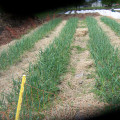
In the realm of organic farming , understanding profit margins is not just a matter of financial acumen; it is a vital component that can determine the sustainability and growth of a farm. Profit margins serve as a key indicator of a farm's financial health, reflecting how effectively a farmer can convert revenue into profit after accounting for all expenses. For organic farmers, who often face unique challenges such as higher input costs and fluctuating market prices, grasping the nuances of these metrics is essential for making informed decisions that can enhance profitability.Organic farming typically involves a commitment to sustainable practices, which can sometimes lead to increased operational costs. However, the potential for higher market prices for organic products can offset these expenses, making it crucial for farmers to analyze their profit margins carefully.
By understanding the factors that influence these margins—such as production costs, labor expenses, and market demand—farmers can identify opportunities to optimize their operations and improve their bottom line.Moreover, a thorough comprehension of profit margins allows farmers to set realistic financial goals and benchmarks. For instance, knowing the average operating profit margin in the organic sector can help farmers gauge their performance against industry standards. This knowledge not only aids in strategic planning but also empowers farmers to make data-driven decisions that enhance their overall By understanding the factors that influence these margins—such as production costs, labor expenses, and market demand—farmers can identify opportunities to optimize their operations and improve their bottom line.Moreover, a thorough comprehension of profit margins allows farmers to set realistic financial goals and benchmarks. For instance, knowing the average operating profit margin in the organic sector can help farmers gauge their performance against industry standards. This knowledge not only aids in strategic planning but also empowers farmers to make data-driven decisions that enhance their overall farm profitability. As we delve deeper into this topic, we will explore various strategies and best practices that can help organic farmers maximize their profit margins while maintaining their commitment to sustainable agriculture.
The Importance of Organic Farming for Profitability
In recent years, the importance of organic farming has surged, not only for its environmental benefits but also for its potential to enhance profitability for farmers.As consumers become increasingly health-conscious and environmentally aware, the demand for organic products has skyrocketed. This shift in consumer behavior presents a unique opportunity for farmers to tap into a lucrative market.One of the primary advantages of organic farming is the ability to command premium prices for products. Organic produce often sells at significantly higher prices compared to conventionally grown counterparts. According to various market studies, organic fruits and vegetables can fetch prices that are 20% to 100% higher than non-organic options.
This price differential can substantially boost a farmer's profit margins, making organic farming an attractive option.Moreover, the benefits of organic farming extend beyond just financial gains. Organic practices promote biodiversity, improve soil health, and reduce reliance on synthetic fertilizers and pesticides. These sustainable practices not only contribute to a healthier ecosystem but also enhance the long-term viability of farming operations. Healthy soil leads to better crop yields over time, which can further increase profitability.Additionally, organic farming often attracts a dedicated customer base willing to pay more for products they perceive as healthier and more environmentally friendly.
This loyalty can lead to consistent sales and reduced marketing costs, as satisfied customers are likely to return and recommend products to others.Furthermore, many farmers who transition to organic methods find that they can reduce their input costs over time. By utilizing natural pest control methods and crop rotation techniques, they can minimize expenses associated with chemical inputs. This reduction in costs, combined with higher selling prices, creates a favorable environment for increased profitability.In conclusion, the profitability in organic farming is not merely a result of higher prices; it is also about creating a sustainable business model that benefits both the farmer and the environment. By embracing organic practices, farmers can position themselves advantageously in a growing market while contributing positively to the planet's health.
Key Metrics for Measuring Profitability
To effectively maximize profit margins, farmers must understand and utilize key metrics that provide insight into their financial performance.These metrics not only help in assessing current profitability but also guide future decision-making. Here are some essential profitability metrics that every farmer should track:
- Operating Profit Margin Ratio : This ratio is a critical indicator of a farm's operational efficiency. It is calculated by taking the operating profit (net farm income minus operating expenses) and dividing it by the total value of agricultural production. A higher operating profit margin ratio indicates that a farm is managing its costs effectively while generating revenue.
Farmers should aim for an operating profit margin ratio of at least 20% to ensure financial health.
- Net Farm Income : This metric represents the total income generated from farming activities after all expenses have been deducted. It provides a clear picture of the farm's profitability and is essential for assessing overall financial performance. Farmers can calculate net farm income by subtracting total expenses from total revenue. Monitoring this figure regularly helps farmers identify trends and make informed decisions about resource allocation.
- Earnings Before Interest, Taxes, and Amortization (EBITA) : EBITA is another valuable metric that measures a farm's profitability before accounting for interest, taxes, and amortization costs.
This figure allows farmers to evaluate their operational performance without the influence of financing and tax strategies. By focusing on EBITA, farmers can gain insights into their core business operations and identify areas for improvement.
Strategies to Maximize Profit Margins in Organic Farming
Maximizing profit margins in organic farming requires a multifaceted approach that encompasses cost management, crop diversification, and innovative marketing strategies.Here are some actionable strategies that farmers can implement to enhance their profitability.
Cost Management
Effective cost management is crucial for improving profit margins. Farmers should regularly assess their operational expenses and identify areas where costs can be reduced without compromising quality. Here are some strategies:- Utilize Precision Agriculture: Implementing precision agriculture techniques can help farmers optimize resource use, such as water and fertilizers, leading to significant cost savings.
- Invest in Sustainable Practices: While the initial investment may be higher, sustainable practices like cover cropping and crop rotation can improve soil health and reduce the need for chemical inputs over time.
- Negotiate with Suppliers: Building strong relationships with suppliers can lead to better pricing on seeds, fertilizers, and equipment. Farmers should not hesitate to negotiate terms that benefit their bottom line.
Crop Diversification
Diversifying crops is another effective strategy for maximizing profit margins.By growing a variety of crops, farmers can mitigate risks associated with market fluctuations and pest infestations. Consider the following:
- Introduce High-Value Crops: Incorporating high-value organic crops such as specialty herbs or heirloom vegetables can significantly boost revenue.
- Seasonal Planting: Planting different crops in different seasons allows farmers to take advantage of varying market demands throughout the year.
- Intercropping: This technique involves growing two or more crops in proximity, which can enhance yields and reduce pest pressure.
Innovative Marketing Techniques
Effective marketing is essential for maximizing revenue in organic farming. Farmers should consider the following innovative marketing techniques:- Direct-to-Consumer Sales: Establishing a direct sales channel through farmers' markets or community-supported agriculture (CSA) programs can increase profit margins by eliminating middlemen.
- Online Presence: Developing a robust online presence through social media and e-commerce platforms can help reach a broader audience and attract new customers.
- Branding and Storytelling: Creating a strong brand identity and sharing the story behind the farm can resonate with consumers who value transparency and sustainability.
Investing in Sustainable Practices for Long-Term Gains
Investing in sustainable practices is not merely a trend; it is a strategic approach that can significantly enhance the long-term profitability of organic farming.By adopting methods that prioritize environmental health, farmers can create a resilient agricultural system that yields consistent returns over time.One of the primary benefits of sustainable farming practices is their ability to improve soil health. Healthy soil is the foundation of productive farming, and practices such as crop rotation, cover cropping, and reduced tillage can enhance soil structure and fertility. These methods not only increase crop yields but also reduce the need for chemical fertilizers, leading to lower input costs.Moreover, sustainable practices can help mitigate risks associated with climate change. For instance, implementing agroforestry or permaculture techniques can create microclimates that protect crops from extreme weather conditions.
This adaptability ensures that farmers are better equipped to handle unpredictable climate patterns, ultimately safeguarding their investments.Another critical aspect of investing in sustainability is the potential for premium pricing on organic products. Consumers are increasingly willing to pay more for products that are grown using environmentally friendly methods. By marketing their produce as organic and sustainably sourced, farmers can tap into this lucrative market segment, thereby enhancing their profit margins.Furthermore, sustainable farming practices often lead to improved biodiversity on farms. A diverse ecosystem can naturally control pests and diseases, reducing reliance on chemical pesticides.
This not only lowers operational costs but also aligns with consumer preferences for healthier food options.In conclusion, while the initial investment in sustainable practices may seem daunting, the long-term gains far outweigh the costs. By focusing on sustainability, farmers can ensure not only their immediate profitability but also the viability of their operations for future generations. Embracing these practices is essential for those looking to thrive in the competitive landscape of organic farming.
Case Studies: Successful Organic Farmers and Their Strategies
In the realm of organic farming, numerous farmers have successfully navigated the complexities of the market to achieve impressive profit margins. By examining their strategies, we can glean valuable insights that can be applied across the industry.Case Study 1: Green Acres Farm
Located in California, Green Acres Farm specializes in organic vegetables and fruits.The owner, Sarah Thompson, implemented a direct-to-consumer sales model through a subscription-based Community Supported Agriculture (CSA) program. This approach not only ensured a steady income stream but also fostered a loyal customer base.
- Key Strategy: Diversification of crops to meet seasonal demands.
- Outcome: Increased profit margins by 30% over three years.
Case Study 2: Happy Valley Farms
Happy Valley Farms in Oregon focuses on organic dairy production. The farm adopted regenerative agricultural practices, which improved soil health and increased milk yield without relying on synthetic fertilizers. By marketing their products as premium organic dairy, they were able to command higher prices.- Key Strategy: Emphasis on sustainability and animal welfare.
- Outcome: Profit margins rose by 25% due to reduced input costs and premium pricing.
Case Study 3: Urban Roots
This innovative urban farm in New York City utilizes vertical farming techniques to maximize space and yield.By growing high-demand herbs and microgreens, Urban Roots has tapped into the local restaurant market, providing fresh produce directly to chefs.
- Key Strategy: Leveraging technology for efficient production.
- Outcome: Achieved a profit margin of 40%, significantly higher than traditional farming methods.
Challenges Faced by Organic Farmers and Solutions
Organic farming, while rewarding, presents a unique set of challenges that can hinder profitability. Understanding these obstacles is crucial for farmers aiming to maximize their profit margins. Below are some common challenges faced by organic farmers, along with practical solutions to overcome them.1.Pest and Disease Management
Organic farmers often struggle with pest and disease control due to the restrictions on synthetic pesticides.This can lead to crop losses and reduced yields.
- Solution: Implement integrated pest management (IPM) strategies that combine biological control, crop rotation, and resistant crop varieties. Utilizing beneficial insects and natural repellents can also help manage pests effectively.
2.Soil Fertility
Maintaining soil fertility is another significant challenge. Organic farmers rely on natural fertilizers, which may not provide the same immediate nutrient boost as chemical alternatives.- Solution: Regular soil testing can help farmers understand nutrient deficiencies. Incorporating cover crops and composting can enhance soil health over time, improving fertility and structure.
3.Market Access
Finding reliable markets for organic produce can be difficult, especially in regions where demand is low or competition is high.- Solution: Building relationships with local restaurants, grocery stores, and farmers' markets can create consistent demand.
Additionally, joining cooperatives can provide better access to larger markets and shared resources.
4.Certification Costs
The process of obtaining organic certification can be costly and time-consuming, deterring some farmers from pursuing organic practices.- Solution: Farmers should explore grants and financial assistance programs designed to support organic certification costs. Networking with other organic farmers can also provide insights into navigating the certification process more efficiently.
5.Labor Shortages
Organic farming often requires more labor-intensive practices compared to conventional farming, leading to potential labor shortages during peak seasons.- Solution: Offering competitive wages and creating a positive work environment can attract and retain skilled laborers. Additionally, training programs for seasonal workers can enhance productivity and efficiency.
Future Trends in Organic Farming and Profitability
The landscape of organic farming is evolving rapidly, influenced by a combination of technological advancements and shifting consumer preferences.As we look to the future, several key trends are emerging that could significantly impact profitability for farmers engaged in organic practices.
Technological Innovations
One of the most promising trends in organic farming is the integration of technology. Precision agriculture tools, such as drones and satellite imagery, are becoming increasingly accessible to farmers. These technologies allow for better monitoring of crop health, soil conditions, and pest populations, enabling farmers to make informed decisions that can enhance yields while minimizing resource use.Additionally, advancements in biotechnology are paving the way for organic farmers to develop more resilient crop varieties. These innovations can lead to higher resistance against pests and diseases, reducing the need for chemical interventions and ultimately improving profit margins.Consumer Demand for Transparency
Another significant trend is the growing consumer demand for transparency in food production.Today's consumers are more informed and concerned about where their food comes from and how it is produced. This shift is driving organic farmers to adopt more transparent practices, such as providing detailed information about their farming methods and sourcing.Farmers who embrace this trend can differentiate themselves in a crowded market. By sharing their stories and practices through social media and direct marketing channels, they can build stronger connections with consumers, fostering loyalty and potentially commanding higher prices for their products.
Sustainability as a Selling Point
As environmental concerns continue to rise, sustainability has become a crucial selling point for organic products. Consumers are increasingly willing to pay a premium for products that are not only organic but also sustainably produced.This trend presents an opportunity for farmers to enhance their profitability by adopting sustainable practices that resonate with eco-conscious consumers.
Market Trends and Profitability Outlook
The organic market is projected to grow significantly in the coming years. According to industry reports, the global organic food market is expected to reach over $300 billion by 2025. This growth indicates a robust demand for organic products, which can translate into increased profitability for farmers who are well-positioned to meet this demand.However, it is essential for farmers to stay informed about market trends and consumer preferences. By adapting their strategies accordingly—whether through diversifying crops, enhancing marketing efforts, or investing in technology—farmers can maximize their profit margins in an increasingly competitive landscape.Conclusion: Key Takeaways for Maximizing Profit Margins in Organic Farming
In conclusion, maximizing profit margins in organic farming requires a multifaceted approach that integrates strategic planning, efficient resource management, and a deep understanding of market dynamics. Throughout this article, we have explored various strategies that can significantly enhance profitability for farmers committed to organic practices.Key Takeaways:
- Understanding Costs: Farmers must conduct a thorough analysis of their operating costs, including labor, inputs, and overhead.
By identifying areas where expenses can be reduced without compromising quality, farmers can improve their profit margins.
- Diversification: Implementing a diverse crop rotation not only enhances soil health but also mitigates risks associated with market fluctuations. By growing multiple crops, farmers can tap into different markets and reduce dependency on a single product.
- Market Research: Staying informed about market trends and consumer preferences is crucial. Farmers should engage in regular market research to identify high-demand organic products and adjust their production accordingly.
- Value-Added Products: Creating value-added products such as jams, sauces, or organic snacks can significantly increase profit margins. This approach allows farmers to capitalize on their raw materials while catering to consumer demand for convenience and quality.
- Sustainable Practices: Implementing sustainable farming practices not only benefits the environment but can also lead to cost savings in the long run.
Practices such as cover cropping, integrated pest management, and organic fertilization can enhance productivity while reducing input costs.
- Financial Management: Effective financial management is essential for tracking profitability. Farmers should utilize accounting software or consult with financial advisors to monitor their financial health and make informed decisions.